









MBA Graduates Outpace Engineers in Salary Premium as Corporate Hiring Shifts Focus
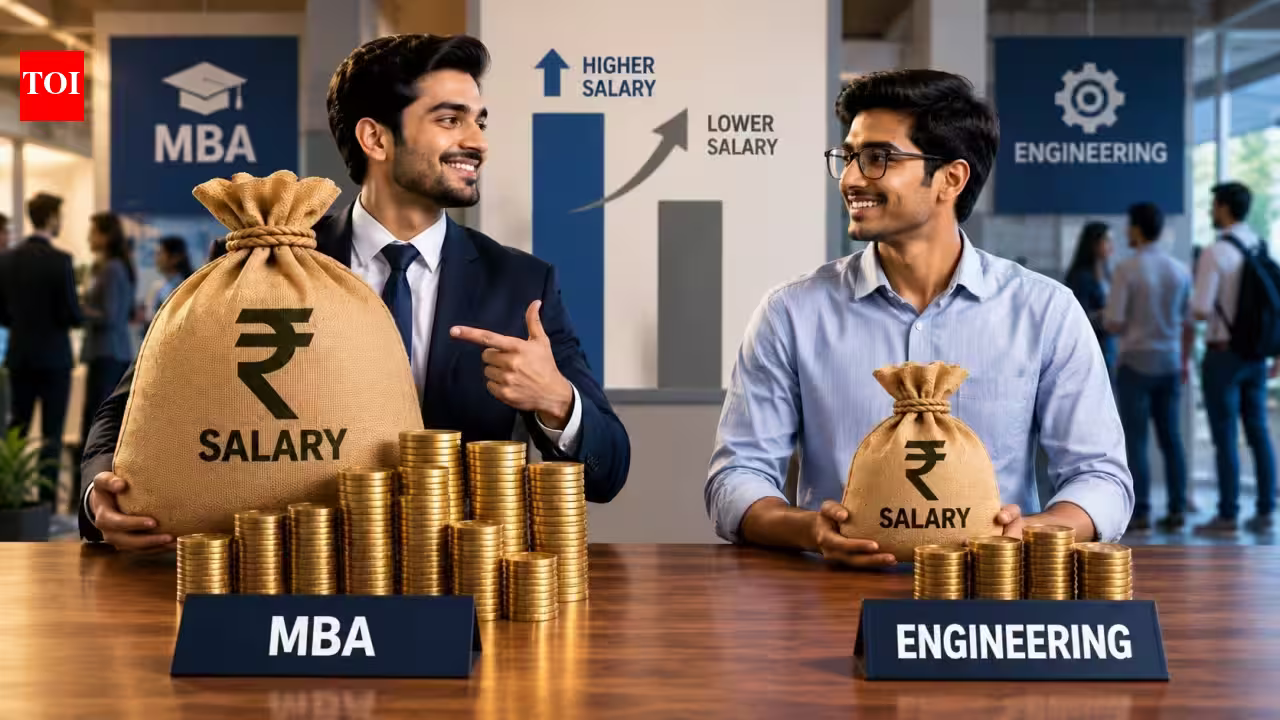
The narrative that traditional postgraduate management degrees are losing their luster has been firmly debunked. According to the latest findings from Deloitte India’s Campus Workforce Trends 2026 report, the Master of Business Administration (MBA) remains a powerful career catalyst, commanding a widening salary premium over engineering roles.
The Growing Salary Gap
The disparity in compensation between management and technical graduates is not only significant but also accelerating. For the class of 2026, MBA roles are offering average salaries that are 52% higher than their engineering counterparts. Projections for the upcoming 2027 placement cycle suggest this gap will expand further, with MBA-specific roles expected to command a 59% pay premium over engineering positions.
For context, this trajectory marks a steady climb from the 47% premium recorded for the class of 2025. While top-tier management institutes—where average annual pay currently stands at Rs 27.4 lakh—continue to dominate the compensation charts, the demand for “business-savvy” talent is becoming a universal requirement across the corporate sector.
Bridging Technology and Strategy
The Deloitte survey, which analyzed data from 505 leading campuses and 250 organizations, points to a fundamental shift in what recruiters value. Modern employers are no longer solely looking for deep technical expertise; they are prioritizing professionals who can bridge the gap between digital innovation and commercial outcomes.
“This year, all 250 firms are placing greater value on management-oriented and leadership-oriented talent relative to purely technical roles,” explains Neelesh Gupta, a partner at Deloitte. “Recruiters are emphasizing professionals who can translate technology into business outcomes, demanding a blend of digital capabilities, analytical thinking, and strategic decision-making.”
Evolving Recruitment Landscapes
The competitive nature of the job market is driving significant changes in how companies secure talent:
- The AI Revolution in Hiring: Approximately 86% of surveyed organizations report that Artificial Intelligence is transforming their recruitment processes, particularly in resume screening, candidate evaluation, and assessments. Furthermore, 35% of companies are seeing new role requirements specifically tied to AI proficiency.
- Skill-Based Premiums: Academic pedigree is only one part of the equation. Candidates demonstrating specialized skills in AI and data analysis can command salary premiums of 20–25%, while those with strong analytical and problem-solving abilities attract a 10–15% premium.
- Focus on Retention: Companies are increasingly prioritizing “early-career hiring” and robust internship-to-hire pathways to improve long-term retention. Data indicates that one-year attrition rates among graduates from top-tier institutes have already declined from 23% to 19%.
A Widening Disparity
The data highlights a steep hierarchy in compensation based on institutional standing. While the top 10 B-schools report an average salary of Rs 27.4 lakh, Tier-3 institutions see an average of Rs 8.4 lakh. Similarly, for B.Tech graduates, the compensation ranges from an average of Rs 18.7 lakh at top institutes to Rs 5.75 lakh at Tier-3 colleges.
As the industry continues to evolve, it is clear that the MBA degree remains a vital asset for students aiming to secure high-value positions in an increasingly digital and strategically driven economy. Companies are betting big on talent that can harmonize technical proficiency with the leadership skills necessary to navigate an complex business environment.