









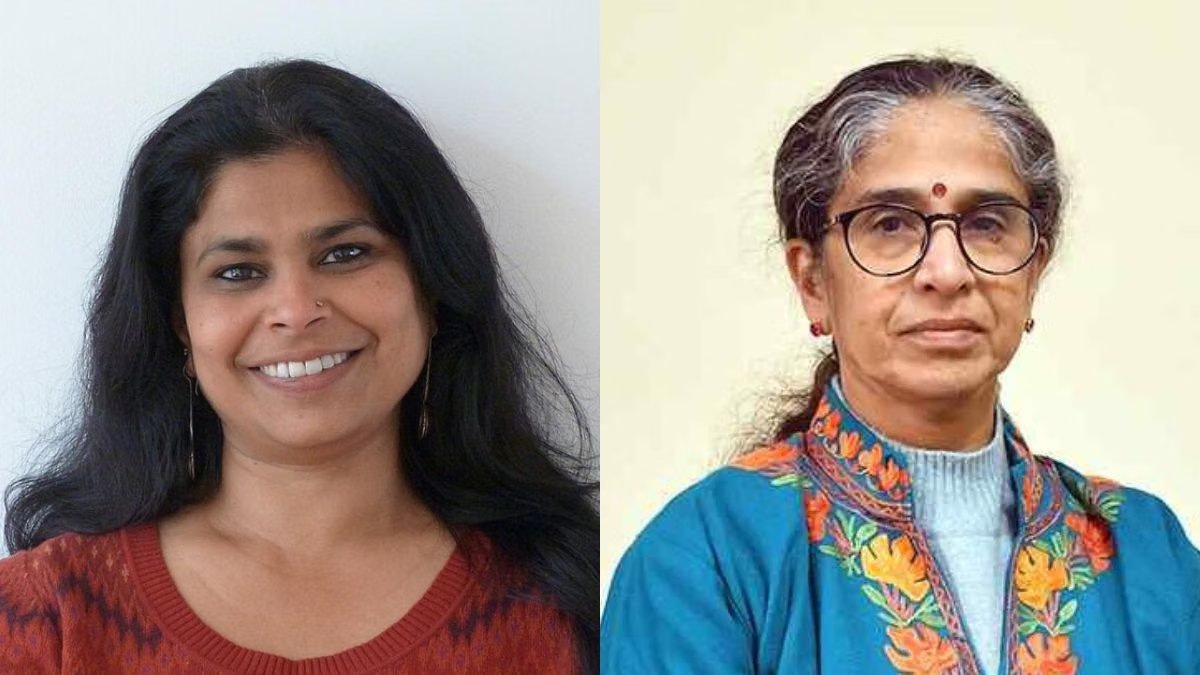
New Delhi: The New India Foundation has announced the recipients of its 2026 Translation Fellowship. In its third edition, the fellowship is being awarded to Jayasree Kalathil and Mini Chandran in Malayalam, Murali Ranganathan in Hindi, and Shefali Jha in Urdu.
“This year’s fellows represent the exceptional depth of translation scholarship in India today. The works they have chosen span autobiography, memoir, travel writing and political journalism, and offer a distinct perspective on India’s intellectual and social history,” said Niraja Gopal Jayal, member of the governing board of New India Foundation.
Each fellow will receive a six-month grant of Rs 6 lakh to translate a significant non-fiction book into English. The fellowship covers 10 Indian languages and is part of a broader effort to expand access to important non-fiction works produced across the country.
For the New India Foundation (NIF), the larger ambition is ensuring that intellectual traditions and regional histories do not remain confined by linguistic boundaries.
“Some of the most important books about India have been written in Indian languages, yet many remain inaccessible to wider audiences. Through the Translation Fellowship, we hope to support translators in bringing these remarkable works into English, allowing them to travel across regions and generations,” said Srinath Raghavan, NIF board member.
Also read: Inside EIU’s 2026 liveability rankings—China is climbing, Iran War sinks Gulf cities
2026 Translation Fellows
The four selected works offer a view of India that is often absent from dominant narratives.
Jayasree Kalathil will translate Adimamakka (2023), the autobiography of Adivasi activist CK Janu. More than a personal memoir, the book chronicles the indigenous movement for land rights in Kerala and records political struggles that rarely find a place in official histories. The book raises questions of land, belonging, and justice from the perspective of communities that have long remained on the margins.
Mini Chandran’s chosen work, Olivile Ormakal (1977), is written by celebrated playwright Thoppil Bhasi. The memoir covers only five years—1948 to 1953—yet the period saw profound social and political transformations. The book is widely regarded as one of Malayalam’s most important autobiographies.
Murali Ranganathan will work on Tibet Mein Savva Varsh by Rahul Sankrityayan, originally published in 1934. The book recounts Sankrityayan’s travels through India, Nepal, and Tibet between 1928 and 1930 as he searched for Buddhist knowledge and manuscripts. Travelling at a time when foreign access to Tibet was heavily restricted, Sankrityayan documented political tensions across the region while also offering insights into a changing Asian landscape.
Shefali Jha will translate Ibrahim Hussain Jalis’ Do Mulk, Ek Kahani (2019), a work that blends journalism, political observation, and personal testimony. It follows the turbulent final years of the princely state of Hyderabad. Through the eyes of a young Urdu writer and journalist, readers witness ideological battles and the eventual collapse of a political order.
Founded in 2004, the NIF also runs a Book Fellowship and the Kamaladevi Chattopadhyay NIF Book Prize. Nearly 40 books have emerged from its fellowship programme, covering subjects ranging from politics and culture to conflict, gender, and the environment.
The Translation Fellowship, launched in 2022, extends that effort by ensuring that significant works written in Indian languages can reach readers far beyond their original audiences.
(Edited by Prasanna Bachchhav)