







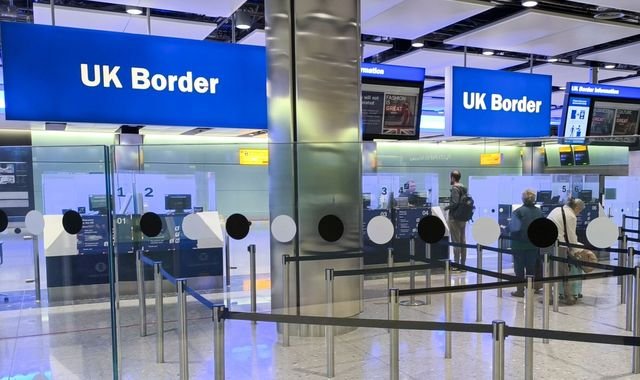
UK net migration has plummeted to 77,000 in the year ending June 2026, marking a dramatic and historic shift in the nation’s demographic landscape. Provisional data released this morning by the Office for National Statistics (ONS) confirms that the figure represents the lowest level of net migration recorded in over a decade, signaling a sharp departure from the record-highs seen during the post-pandemic period.
The figure represents a significant decline from the previous year’s numbers, which had remained a point of intense political contention. Economists and policymakers are now scrambling to digest the data, which suggests that a combination of stringent visa reforms, a cooling labor market, and increased enforcement of border controls has fundamentally altered the trajectory of population growth in the United Kingdom.
According to the ONS report, the drop was driven primarily by a substantial reduction in long-term visa grants for non-EU nationals, particularly within the health and social care sectors. New restrictions on dependents—which were implemented amid public pressure to curb high migration levels—appear to have had a tangible impact, as the number of visas issued to family members of students and workers fell significantly compared to the previous 12-month period.
The government has hailed the figures as a victory for its “measured approach” to immigration. In a brief statement following the release, a Downing Street spokesperson said the numbers demonstrate that the government’s plan to restore control over the border is working. “We are delivering on our promise to the British people to reduce net migration to sustainable levels while ensuring that our economy continues to receive the high-skilled talent it requires,” the spokesperson added.
However, the news has drawn a mixed reaction from business leaders and industry groups. While the government views the slump as a stabilization of the system, many sectors that rely heavily on international labor are expressing concern. Industry representatives in construction, hospitality, and healthcare have warned that such a rapid decline could exacerbate existing labor shortages, potentially hindering growth in critical areas of the economy. Some economists have also raised questions about whether this tightening will lead to wage inflation, as companies compete for a smaller pool of available workers.
The opposition has questioned the long-term sustainability of such a sharp drop, with shadow ministers calling for a more detailed analysis of how these figures will impact the delivery of public services and the funding of the pension system.
As the country processes these numbers, the debate surrounding immigration is expected to remain at the forefront of the political agenda. For now, the ONS data stands as the clearest evidence yet that the UK’s approach to global migration has entered a new, more restrictive era. The office noted that these are provisional statistics and will be subject to revision as further data becomes available in the coming months.
Disclaimer: This content is auto-generated for informational purposes only.
Source: Read Original News