








Moderna CEO Stéphane Bancel Warns of China’s Biotech Ambitions Amid Shift in U.S. Funding
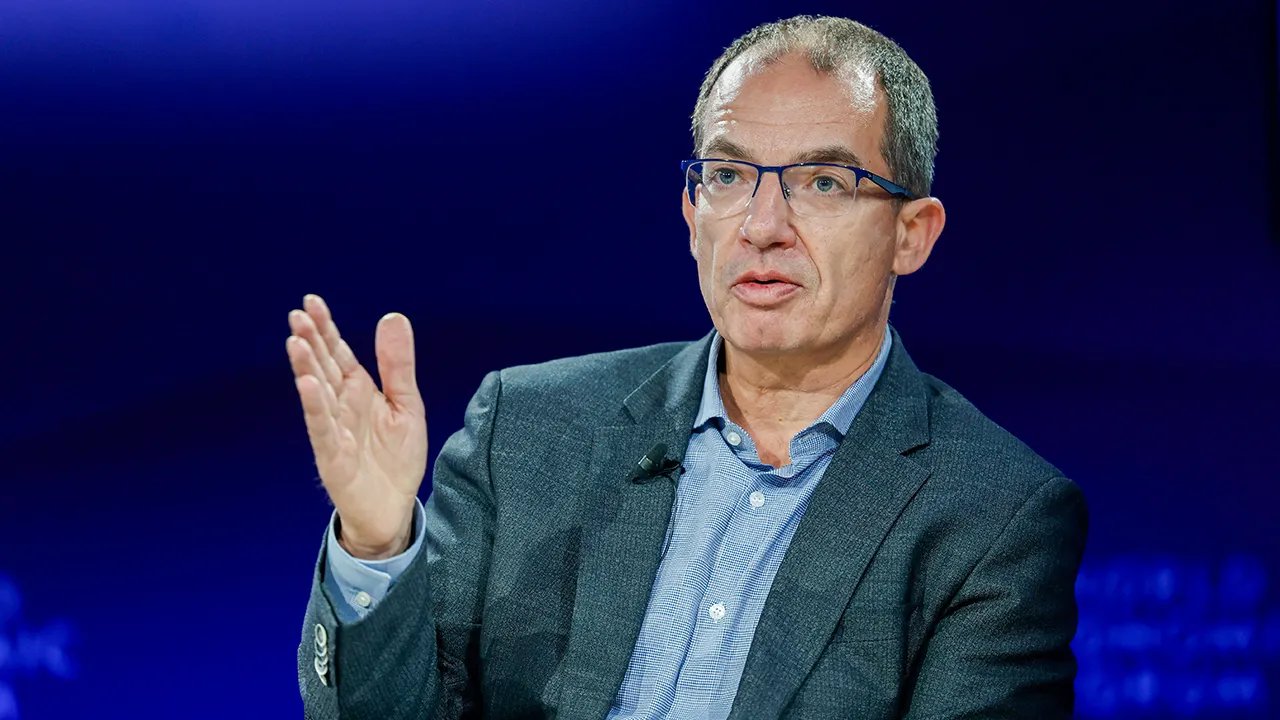
Moderna CEO Stéphane Bancel is sounding the alarm on a brewing geopolitical struggle, warning that while Washington reassesses its domestic mRNA spending, China is aggressively deploying state-backed capital to eclipse the United States in the biotechnology sector.
Speaking on “Mornings with Maria,” Bancel highlighted that China has identified biotechnology as a “strategic emerging industry,” utilizing massive state subsidies to build a dominant domestic ecosystem. According to the National Security Commission on Emerging Biotechnology, Beijing’s efforts are part of a broader, state-directed campaign to secure a lead in critical healthcare technologies.
“I think the government has an active role to play in taking risk for really innovative medicine,” Bancel told FOX Business’ Cheryl Casone. “If you think about what’s happening around the world, we know, for example, that in China there’s a lot of mRNA investments.”
A Strategic Pivot in U.S. Policy
Bancel’s comments arrive at a time of shifting priorities for the U.S. Department of Health and Human Services (HHS). Last August, the agency announced it would wind down nearly $500 million in mRNA vaccine development projects managed by the Biomedical Advanced Research and Development Authority (BARDA).
An HHS spokesperson clarified that while the government continues to fund research for hard-to-treat cancers—including a new public-private partnership with the National Cancer Institute—it is moving away from mRNA applications for rapidly mutating respiratory viruses. The department cited the need for greater scientific scrutiny and a desire to redirect resources toward more “promising technologies” after companies had already received substantial federal support.
Strengthening Domestic Production
In response to the intensifying global competition, Moderna is doubling down on domestic manufacturing. Bancel emphasized that keeping production “on American soil”—specifically at the company’s facilities in Massachusetts—is a matter of both patient safety and long-term national security.
“The technology has already proven itself during COVID, now with cancer, and very soon in rare genetic disease,” Bancel said. “We want to make sure there is investment because those investments in the long term help American patients.”
Unlike complex cell therapies that carry exorbitant manufacturing costs, Bancel noted that Moderna’s mRNA processes rely on enzyme-based production, which he believes will eventually allow for more sustainable pricing models.
Turning the Page: From Vaccines to Oncology
The warning regarding global competition comes on the heels of a massive win for the biotech giant. Moderna’s stock saw a 177% surge on August 19 following the announcement of successful Phase 3 trial results for its personalized melanoma vaccine, developed in partnership with Merck. When paired with Merck’s Keytruda, the treatment met key clinical endpoints, signaling a major breakthrough in cancer immunotherapy.
“Last week was a big step forward. We became an oncology company,” Bancel said. He added that the company’s vision extends well beyond current successes, with plans to expand into the rare genetic disease space by the end of the year.
As Moderna CEO Stéphane Bancel navigates a rapidly changing regulatory and geopolitical landscape, his message to policymakers remains clear: the race for biotech supremacy is far from over, and the outcome may hinge on the strength of domestic investment and supply chain autonomy.