








RSS Chief Mohan Bhagwat Recalls Relief Efforts During 1996 Charkhi Dadri Air Tragedy
NEW DELHI: Rashtriya Swayamsevak Sangh (RSS) Chief Mohan Bhagwat recently reflected on the harrowing 1996 Charkhi Dadri mid-air collision, recounting the swift response of organization volunteers who provided aid in the immediate aftermath of one of the deadliest aviation disasters in history.
Speaking at the “One World One Humanity” event in New York, Bhagwat highlighted the humanitarian ethos of the RSS, noting that volunteers did not hesitate to assist when the tragedy struck. Recalling that the majority of the 349 victims were Muslim, Bhagwat stated, “We never thought at that time that these were Muslims.”
He further emphasized that the organization’s involvement was driven by service rather than political opportunism. “The RSS was able to help because it was not working for political gains, and the organization does not publicize such work because it does not expect anything in return,” he added.
The Tragedy of 1996
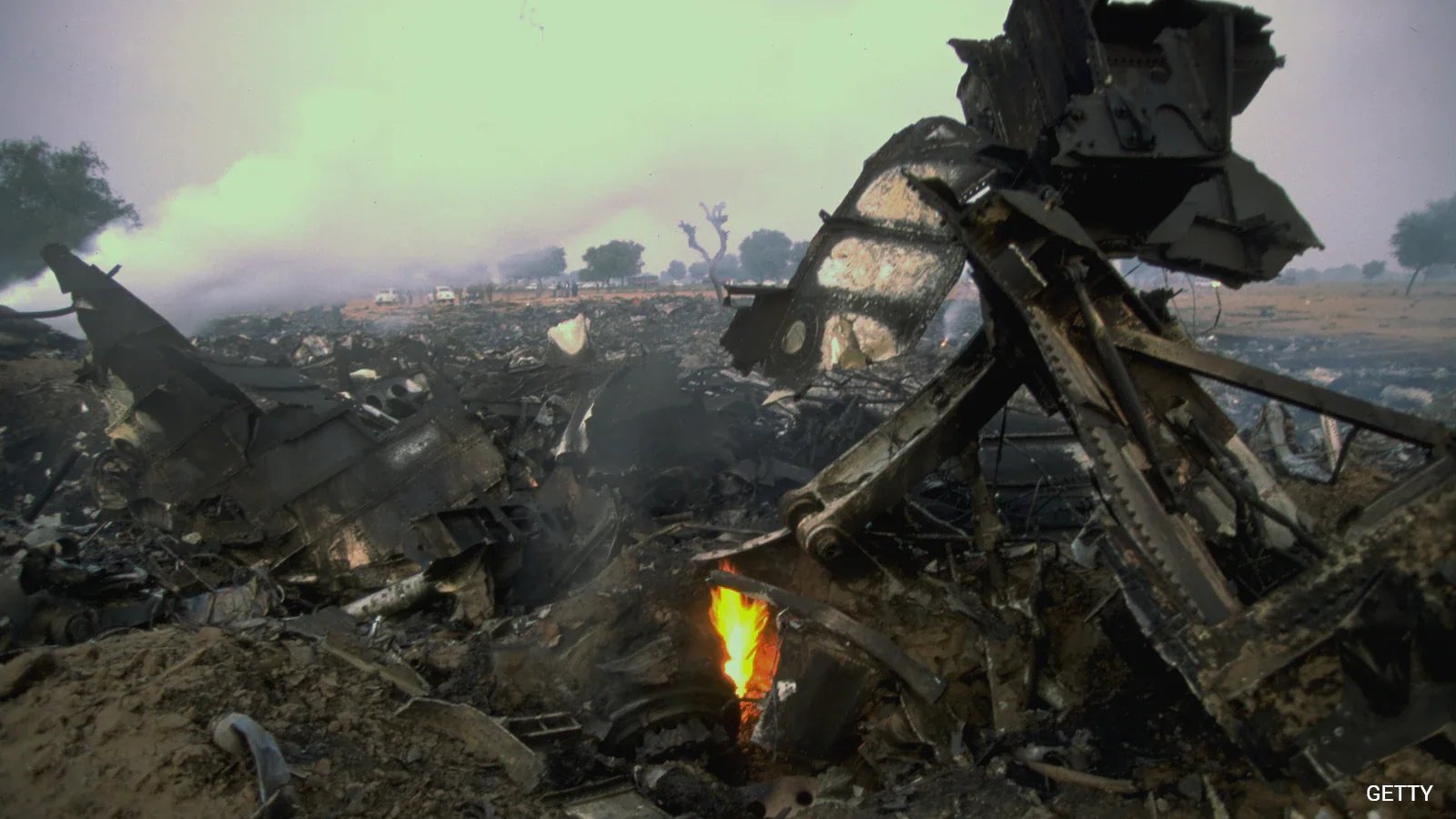
The Charkhi Dadri mid-air collision, which occurred on November 12, 1996, remains etched in global aviation history as a catastrophic failure of air traffic control and communication. The crash involved a Saudi Arabian Airlines Boeing 747, bound for Jeddah, and a Kazakhstan Airlines Ilyushin Il-76, which was departing for Chimkent.
The two aircraft collided head-on at an altitude of approximately 14,000 feet over the village of Charkhi Dadri in Haryana, about 100 kilometers west of Delhi. The disaster resulted in the deaths of all 349 people on board both flights.
Investigation Findings
Official investigations into the accident pointed toward critical communication barriers. It was discovered that the crew of the Kazakhstan Airlines flight had limited proficiency in English, which was the standard language for aviation communication. Consequently, a radio operator was required to relay instructions from air traffic control.
The investigation revealed that the Kazakh aircraft had descended below its assigned altitude of 15,000 feet, entering the flight path of the Saudi Arabian Airlines Boeing 747, which was descending through the same airspace. The resulting collision was the deadliest in India’s history and ranks among the most severe mid-air collisions ever recorded worldwide.
The incident served as a wake-up call for the aviation industry, leading to significant changes in international flight safety protocols and the mandatory implementation of Airborne Collision Avoidance Systems (ACAS) on commercial aircraft.