






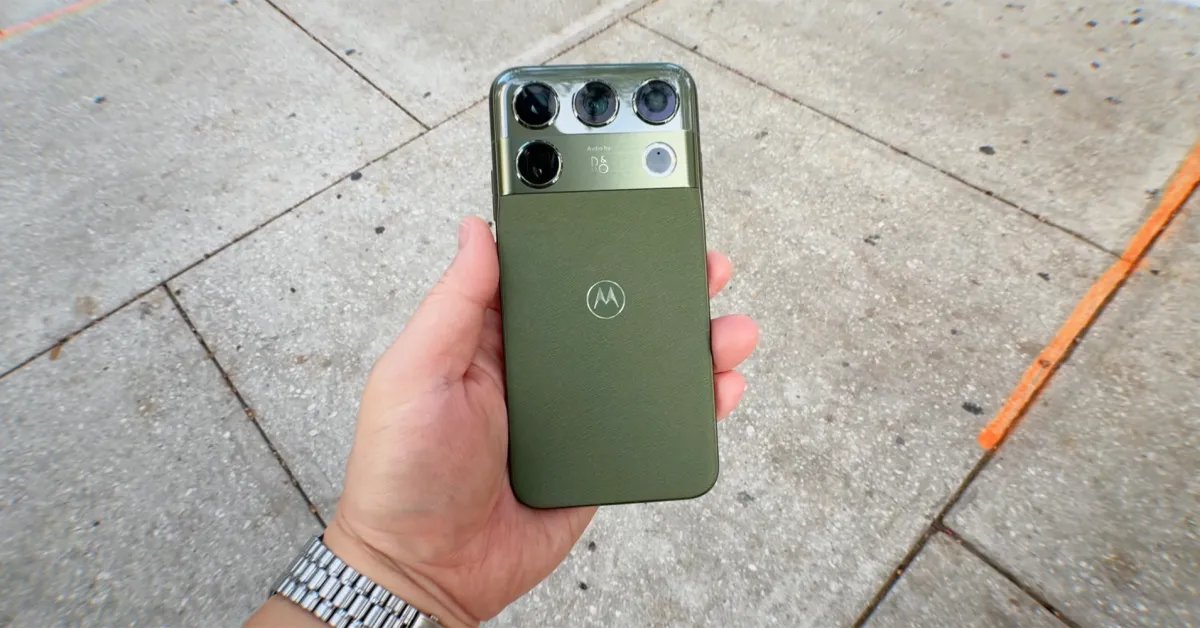
The mobile landscape is witnessing a significant shift as the Motorola Signature 27 prepares to roll out globally. Following an initial announcement in early November that promised a November 19 release date, the device has quickly become the focal point of high consumer demand. While some early adopters have already received shipping notifications, the broader market is now seeing shifted arrival dates, with retailers like Best Buy and Motorola’s own official storefront projecting deliveries into early December.
A New Paradigm for Motorola’s Flagship Strategy
The Motorola Signature 27 represents a departure from the company’s recent focus on the mid-range and foldable markets in North America. For several years, Motorola has occupied a specific niche, favoring either budget-conscious devices or the innovative, albeit technically varied, Razr series. The Signature 27 signals a return to pure flagship status, aiming to compete directly with the highest tiers of smartphone hardware currently available.
Industry analysts suggest that the high interest in this model stems from Motorola’s commitment to longevity. By officially adopting a seven-year software support window, Motorola is aligning its policy with industry leaders like Google and Samsung. This commitment to long-term security updates and operating system upgrades is a critical factor for users who intend to keep their devices for several years, moving the Signature 27 out of the “disposable” or “mid-cycle” hardware conversation and into the long-term investment category.
Supply Chain Challenges Amidst High Demand
The discrepancy between the initial November 19 launch date and the current December timelines is a direct result of manufacturing pressure versus consumer interest. In a formal statement, Motorola acknowledged that demand has exceeded its initial projections. This surge has forced a recalibration of shipping schedules, causing a bottleneck for new orders.
The logistical complexity is compounded by a staggered international rollout. With the device already available in European markets since November 16 and a scheduled launch in India for December 9, the global supply chain is experiencing significant strain. While some early pre-orders are confirmed for arrival as early as late November, new buyers should anticipate waiting until the second week of December before units reach their doorsteps. This situation highlights the difficulty even established manufacturers face when attempting to execute a global launch for a highly anticipated premium product.
Key Hardware and Software Specifications
At the core of the Signature 27 is a suite of high-end specifications designed to justify its status as a premier device. The device integrates cutting-edge processing silicon, high-refresh-rate display technology, and advanced optics that move past previous limitations in Motorola’s camera software. The build quality, often cited in initial hands-on reports as a premium “Capulet Olive” finish, emphasizes a move toward refined, minimalist design aesthetics rather than the purely utilitarian approach seen in the company’s G-series.
The software experience remains a point of emphasis. By maintaining a near-stock Android user interface, Motorola continues to prioritize speed and efficiency. The promise of seven years of updates is not just a marketing claim but a architectural change in how Motorola handles firmware distribution, ensuring that the hardware remains performant through multiple iterations of the Android operating system. This software longevity is expected to be a primary driver for the device’s resale value and consumer retention.
The Impact on the Competitive Landscape
The successful launch of the Signature 27 could alter how consumers perceive the “Big Three” hegemony of Apple, Samsung, and Google. For years, the North American flagship market has been effectively consolidated by these three manufacturers. By providing a credible alternative that meets or exceeds the industry standard for software support and hardware durability, Motorola is forcing a re-evaluation of the options available to power users.
Should the Signature 27 perform well in both sales and long-term reliability, it could encourage other manufacturers to return to the premium market with similar long-term support promises. The current supply chain constraints serve as a testament to the fact that there is still a massive, underserved segment of the market looking for high-quality alternatives to the standard flagship rotation.
What to Expect for Future Shipments
For those currently awaiting their devices, the current status is a mix of uncertainty and anticipation. Retail tracking systems are currently being updated in real time as stock becomes available. For customers who placed orders early, the tracking numbers being generated suggest that the initial batches are successfully moving through the logistics network.
New purchasers should monitor their order status directly via the official retail portals. With the global launch schedule spanning from mid-November to early December, the supply chain is expected to stabilize toward the end of the year. The combination of strong hardware, the seven-year software commitment, and the brand prestige associated with the Signature line suggests that this device will remain a relevant topic of discussion for the remainder of the calendar year and well into the next.
Disclaimer: This content is auto-generated for informational purposes only.
Source: Read Original News