








The Legal Dynamics of Housing Society Disputes in India
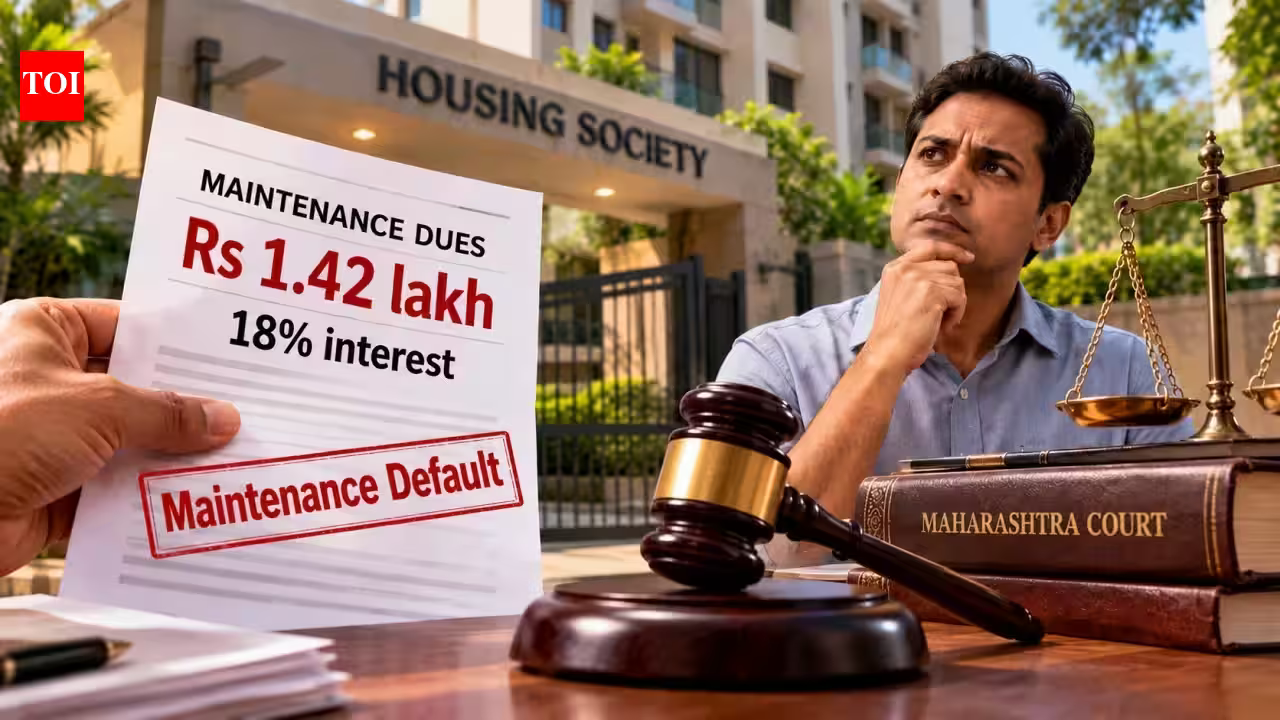
The recent ruling by the Maharashtra State Co-operative Appellate Court concerning a surgical oncologist and his housing society highlights the growing complexities within the governance of urban cooperative housing societies in India. In an era where residential complexes function as micro-administrative units, the power dynamics between managing committees and individual unit owners are frequently tested. The case of the Mumbai doctor, who secured interim protection against being branded a “defaulter” for alleged maintenance arrears, serves as a critical precedent for how courts approach the balance between institutional recovery rights and individual reputation.
In the Indian legal landscape, specifically under the Maharashtra Co-operative Societies (MCS) Act, housing societies possess significant authority to manage common areas and collect maintenance dues. However, this authority is not absolute. When a society moves to publicly shame a member by labeling them a defaulter—often through notice boards or society circulars—it carries professional and social implications. The appellate court’s decision to intervene underscores the judiciary’s role in ensuring that such labeling does not bypass due process, especially when the underlying claim of indebtedness is contested.
Understanding the Mechanics of Maintenance Dues
At the heart of many residential disputes lies the fundamental requirement of transparent accounting. In this specific case, the conflict originated from the society’s failure to provide regular maintenance bills since 2014, a claim supported by communications from the Deputy Registrar of Co-operative Societies. Under the MCS Act, a society is mandated to maintain accurate records and communicate dues clearly to its members. The refusal or inability of a society to furnish billing statements creates a procedural void that complicates the definition of a “persistent defaulter.”
From a business and management perspective, a housing society acts as a service provider. If a member is willing to pay but finds the service provider negligent in issuing invoices or processing payments—evidenced here by the society’s refusal to deposit the member’s cheques—the assertion of default loses its legal foundation. The court’s recognition of this discrepancy signifies that the “defaulter” tag cannot be weaponized as a tool for harassment or as a substitute for fair dispute resolution. For housing societies, this serves as a stern reminder that administrative efficiency and proper documentation are not merely internal preferences but legal necessities.
The Significance of Reputation in Legal Adjudication
Reputation is a recognized asset, particularly for professionals such as surgeons and medical educators whose standing in the community directly influences their career and societal contribution. The court’s decision to grant interim protection was heavily predicated on the potential for “irreparable loss” to the doctor’s professional identity. By labeling a member a defaulter in a public or semi-public forum, the society could inflict damage that persists even if the member is later cleared of the financial claim.
Legal analysts point out that the doctrine of “balance of convenience” played a pivotal role in this judgment. The court weighed the society’s interest in recovering funds against the individual’s right to protect his professional integrity. Because the society would not suffer irreparable harm by waiting for a final adjudication of the dispute, while the doctor would suffer immediate and potentially permanent damage to his reputation, the court prioritized the preservation of the status quo. This nuance is vital for managing committees, which must exercise extreme caution before resorting to punitive public measures.
Managing Committee Accountability and Statutory Compliance
The role of the Deputy Registrar in this case highlights the state’s supervisory oversight over cooperative societies. The observation that the society had potentially ignored payments or failed to manage the billing cycle effectively suggests an internal failure of governance. In many Indian housing societies, the Managing Committee (MC) often operates with high levels of autonomy, sometimes bypassing established bylaws in the pursuit of rigid enforcement.
The legal fallout from such overreach can be substantial. When an MC acts in a manner that the court deems biased or procedurally flawed, it exposes the society to litigation costs and potential liability. The incident underscores the necessity for professionalizing the administration of housing societies. Modern residential management increasingly requires adherence to, and knowledge of, the MCS Act to avoid falling into the trap of arbitrary rule-making. Societies should prioritize robust, digital-first accounting and clear communication channels to ensure that any recovery proceedings are grounded in verified financial data rather than subjective judgment.
Lessons for Homeowners and Societies
For the average apartment owner, this case provides a roadmap for handling disputes with managing committees. It reinforces the importance of maintaining a paper trail. Whether it is requesting written statements of account or documenting attempts to pay via cheque or digital transfer, building a robust record is the primary defense against administrative overreach. If a society refuses to accept payment or stops issuing bills, the member should proactively engage with the office of the Registrar of Co-operative Societies to seek intervention, thereby establishing a formal, legal record of their intent to remain compliant.
Conversely, for managing committees, the takeaway is clear: the enforcement of recovery measures must strictly adhere to the principles of natural justice. Labeling a member a defaulter is an extreme step that should only be taken after comprehensive, transparent communication and clear adherence to the society’s own bylaws and state regulations. Resorting to public shaming is not only risky from a reputation management standpoint for the member but also carries the risk of judicial rebuke for the society.
Ultimately, the resolution of such disputes in courtrooms indicates that the residential sector in India is maturing. As the value of real estate increases and urban living becomes more dense, the legal framework governing these shared spaces is evolving to protect the rights of individuals against potential institutional bullying. The Mumbai doctor’s case is a testament to the fact that while societies have the right to collect necessary funds, they must do so within the bounds of fairness, transparency, and established law, ensuring that the residential environment remains a space of mutual cooperation rather than one of conflict and litigation.
Disclaimer: This content is auto-generated for informational purposes only.
Source: Read Original News