








Musk Escalates Standoff Over Starlink’s India Entry
Elon Musk has turned up the heat on Indian authorities, publicly accusing unnamed “oligarchs” of obstructing SpaceX’s satellite internet ambitions. The billionaire entrepreneur claims that powerful incumbents are actively stalling Starlink’s launch to maintain a stranglehold on the country’s massive telecommunications landscape, labeling the delay a “crime against the people of India.”
The stinging rebuke, delivered via social media on Wednesday, signals a major shift in tone for the SpaceX CEO. While Musk stopped short of identifying specific companies, the insinuation is pointed. India’s telecom sector is effectively a duopoly, with Reliance Jio and Bharti Airtel commanding a combined market share of over 80%. Interestingly, both industry giants have previously explored distribution partnerships with SpaceX, making the current friction all the more complex.
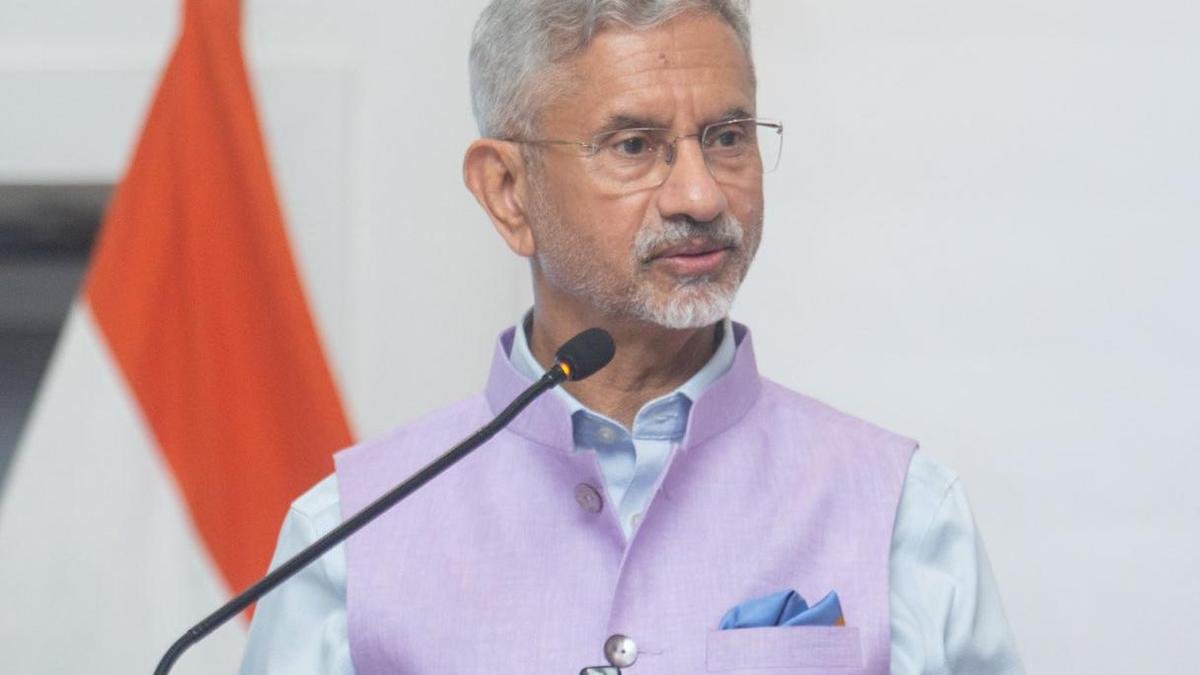
Government Rebuts Monopoly Allegations
In a swift response on Thursday, India’s Ministry of Communications pushed back against Musk’s claims of sabotage. The government asserted that its satellite communications framework remains transparent, fair, and entirely non-discriminatory. Officials emphasized that all applicants—including Starlink, Jio Satellite, and other global players—are required to pass through the same rigorous security-review process.
“The regulatory path is identical for every operator,” a government source suggested, dismissing the narrative of a rigged system. Despite Musk’s claims of interference, authorities maintain that the bureaucratic delay is a standard procedure designed to protect national security and ensure infrastructure compliance.
Technical Readiness vs. Regulatory Hurdles
From a logistical standpoint, SpaceX appears fully prepared to flip the switch. Starlink has already secured the necessary foundational licenses and has successfully established over 20 gateway sites across the country. The company has also demonstrated its willingness to align its infrastructure with India’s specific security mandates. However, the final hurdle remains a combination of spectrum allocation and the elusive final security clearances.
For SpaceX, the stakes are undeniably high. India represents one of the final frontiers for global internet expansion, with a potential satellite broadband market value estimated at $1.9 billion by 2030, according to data from Deloitte.
The Investor Perspective
For those tracking the prospects of SpaceX, the current standoff highlights that the company’s primary challenge has shifted from technical capability to regulatory timing. While the technology is ready for deployment, the absence of a firm commercial launch date creates an atmosphere of uncertainty.
Market analysts suggest that while Musk’s aggressive rhetoric is intended to force the government’s hand, the true catalyst for progress lies in diplomatic navigation rather than public confrontation. The core risk for Starlink is not necessarily being banned from the market, but rather facing prolonged administrative delays that could erode its first-mover advantage.
If rivals like Jio or OneWeb manage to clear regulatory checkpoints faster, Starlink risks losing precious ground in the race to connect India’s underserved regions. For now, investors are keeping a close watch on spectrum assignment updates and security approvals, which remain the only real indicators of when the service might finally go live. As the political pressure builds, the focus shifts back to New Delhi, where the decision to greenlight the service will determine whether India truly becomes a core growth pillar for the Starlink constellation.
Disclaimer: This content is auto-generated for informational purposes only.
Source: Read Original News