







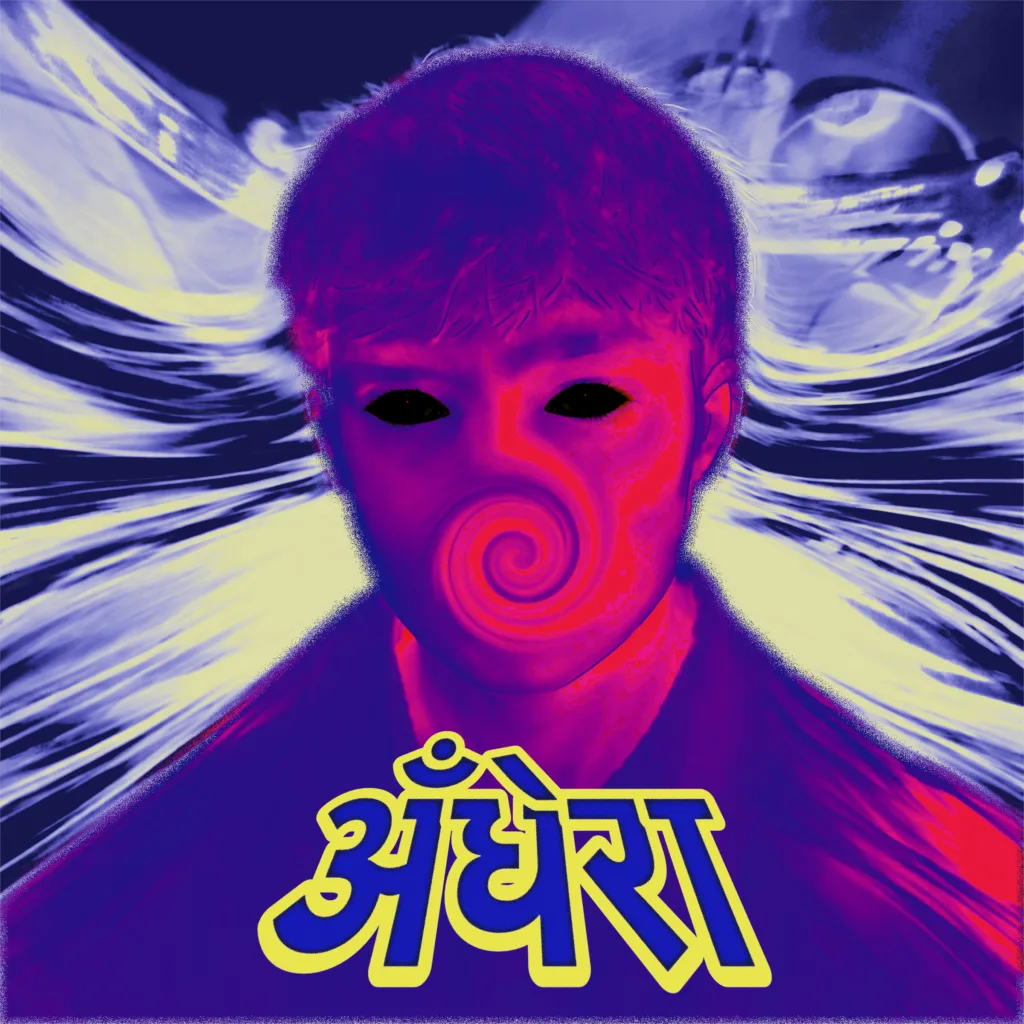
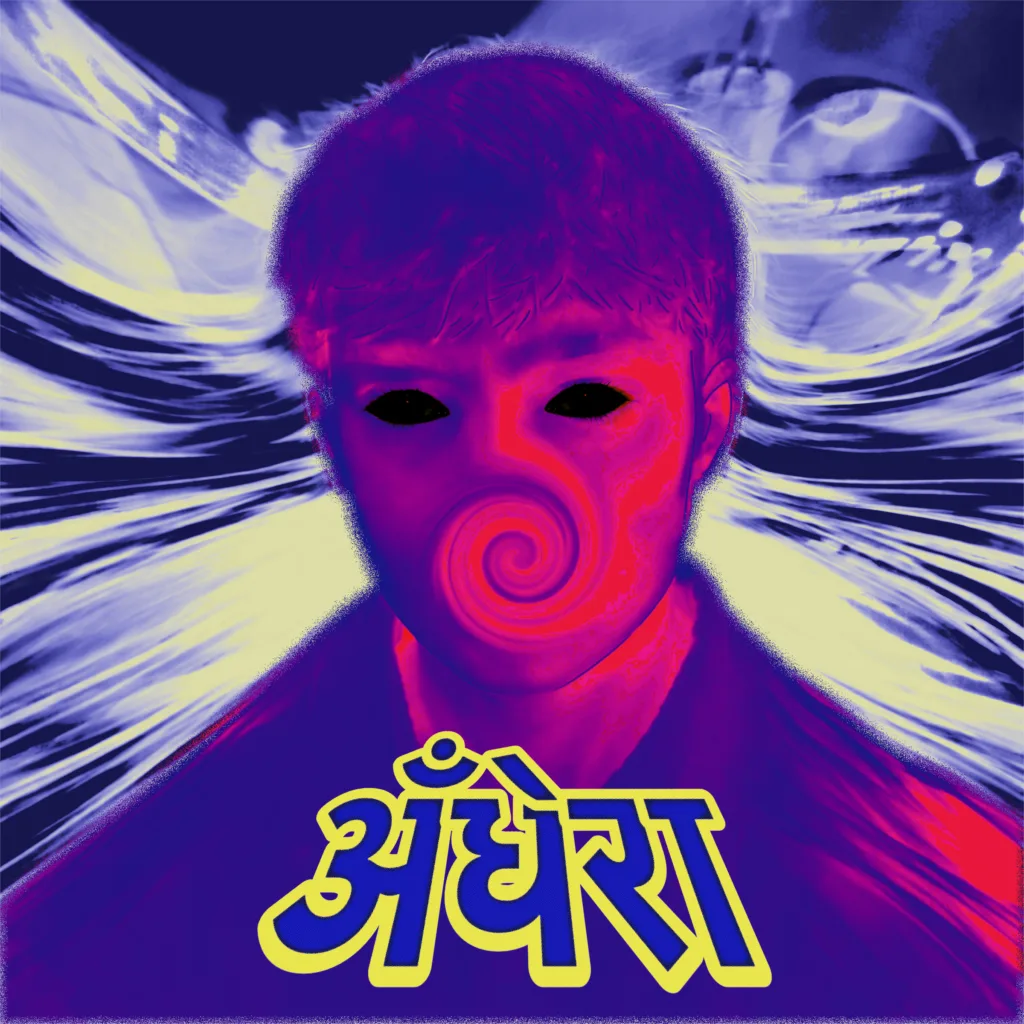
“Andhera“, Hindi for darkness, is Naman’s most personal release yet, four self-produced tracks about love, isolation, and survival. “Darkness isn’t something dramatic or cinematic,” Naman has said of the EP. “It’s the mental space people silently live inside every day. You don’t want to feel better in this space, you just want someone to witness you.” That idea, music as company rather than cure, runs through the whole record.
“Darkness isn’t something dramatic or cinematic. It’s something quieter. It’s the mental space people silently live inside every day. You don’t want to feel better in this space, you just want someone to witness you. This EP is there for you.” – Naman
Made entirely in his Delhi bedroom studio, Andhera is the sound Naman has arrived at after three years and thirteen releases spanning rock, house, ambient, drum and bass, and IDM. You can hear traces of Four Tet’s warmth, Burial’s hush, and Radiohead’s slow-building tension, but nothing here sounds borrowed. It’s groove-driven and hypnotic, built specifically for listeners past midnight.
The opener, “Bring Me Some Change,” is about the exhaustion of waking up to the same feeling every day while quietly hoping for something different. Sonically, it plays that out directly: the track builds for almost its entire two and a half minutes, then breaks hard around the two minute mark into the EP’s most striking single moment, before dissolving into a peaceful fade rather than repeating the payoff.
“Teri Aankhon Mein” is the centerpiece, and the only track with a video. The song is about being lost in someone’s eyes, in the disorienting way real love can feel, and it’s also the one moment where a voice actually steps forward. Naman treats vocals as texture everywhere else on the EP, but the delivery here carries real weight. The video matches it: black and white, comic panel style, cut through with trippy transitions, giving the track a jittery, half lucid quality.
“Ek Pinjare Mai” is about the invisible prison people carry in their own heads, but Naman resists the obvious choice of making it sound cramped. Instead the track opens into surprisingly wide, spacious reverb. It’s a smarter image of that kind of isolation anyway, not a lack of room, but too much of it, with no one else inside.
The closer, “Meri Pyaari Si Jaan,” ends the EP on its biggest and most uplifting note, a deliberate release after three tracks that stay inward. It reads less like resolution than relief.
Andhera doesn’t chase hooks or lyrical clarity. It’s four specific, well-observed sketches of a hard period, made by someone more interested in being felt than being quoted. After three years of moving through genres, Naman sounds like he’s found the one that’s actually his.