





Prime Minister Andy Burnham has been dealt a significant political and economic blow after official figures confirmed that inflation has climbed for the fourth consecutive month. The Office for National Statistics (ONS) revealed on Wednesday, November 18, that the Consumer Prices Index (CPI) rose to 3.6% in October, up from 3.5% in September.
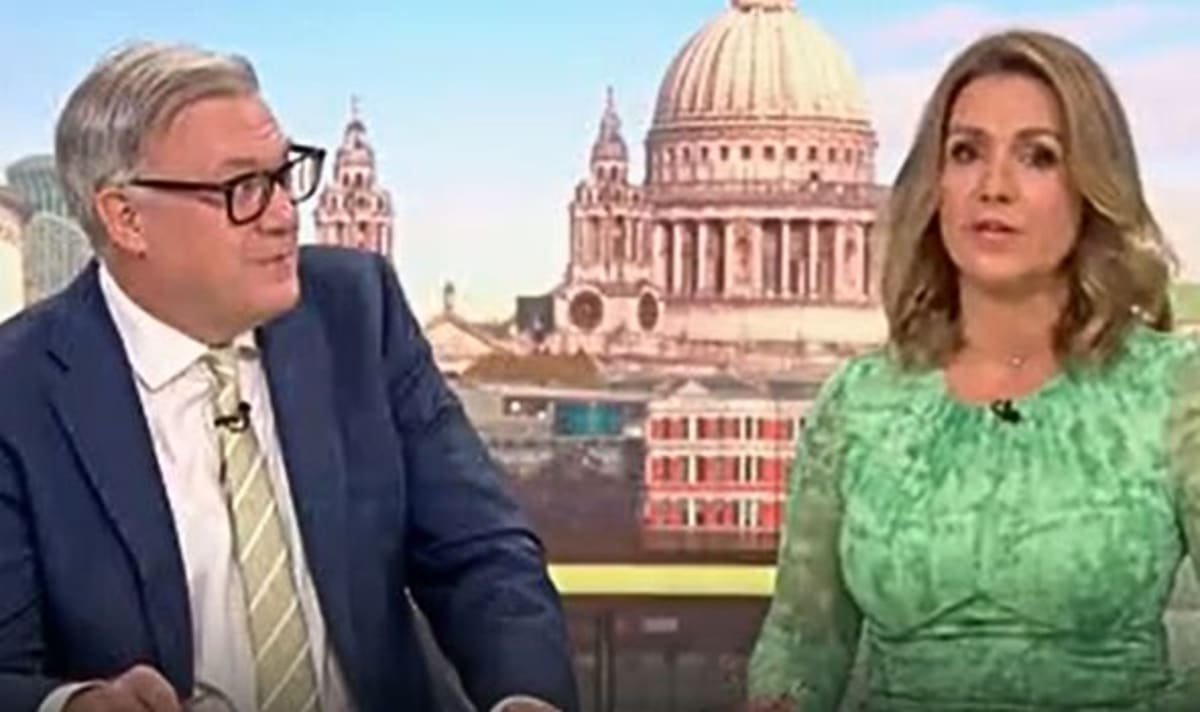
The announcement prompted a live interruption on Good Morning Britain, where hosts Susanna Reid and Ed Balls broke the news to viewers. The data underscores a troubling upward trajectory for the UK economy, with inflation now drifting further from the Bank of England’s mandated 2% target.
Ed Balls highlighted the global pressures driving the surge, citing the ongoing instability in the Strait of Hormuz. “The impact of the war in Hormuz, the straits being closed, oil prices rising, transport costs going up, food prices rising,” Balls explained, warning that economists expect these elevated levels to persist for the foreseeable future.
The rising inflation is being fueled by a volatile mix of global energy shocks and domestic policy shifts. Economists from Pantheon, Rob Wood and Elliott Jordan-Doak, noted that the uptick was exacerbated by an 8.3% surge in tobacco prices following recent duty increases, which added approximately £1.21 to a standard pack of cigarettes. Additionally, a 4% hike in the Ofgem utility price cap implemented at the start of October has increased the average household energy bill by £60, bringing the annual total to £1,723 for those on direct debit.
For the Prime Minister, the news arrives at a precarious time. With inflation having steadily climbed from a low of 2.6% in June, the government is facing mounting pressure to manage the cost-of-living crisis. Susanna Reid expressed the frustration felt by many households, noting, “I don’t think anyone needs to be told that prices continue to rise, but the rate is supposed to be around the 2% mark. So 3.6%… it’s going to be a worry.”
The economic fallout may extend beyond the weekly shop. Ed Balls warned that the latest figures have intensified fears regarding interest rates. “England raised interest rates last month because they’re worried about this getting locked in,” he stated, adding that financial markets are now anticipating further hikes that could translate into higher mortgage costs for homeowners.
The Bank of England, which recently hiked interest rates to 4%, has provided a sobering forecast, warning that inflation is unlikely to return to its 2% target until the third quarter of 2028. Central bank projections suggest the rate could continue to climb, potentially peaking at around 5% next year. As the government grapples with these figures, the prospect of prolonged high inflation remains a major hurdle for the Burnham administration.
Disclaimer: This content is auto-generated for informational purposes only.
Source: Read Original News