






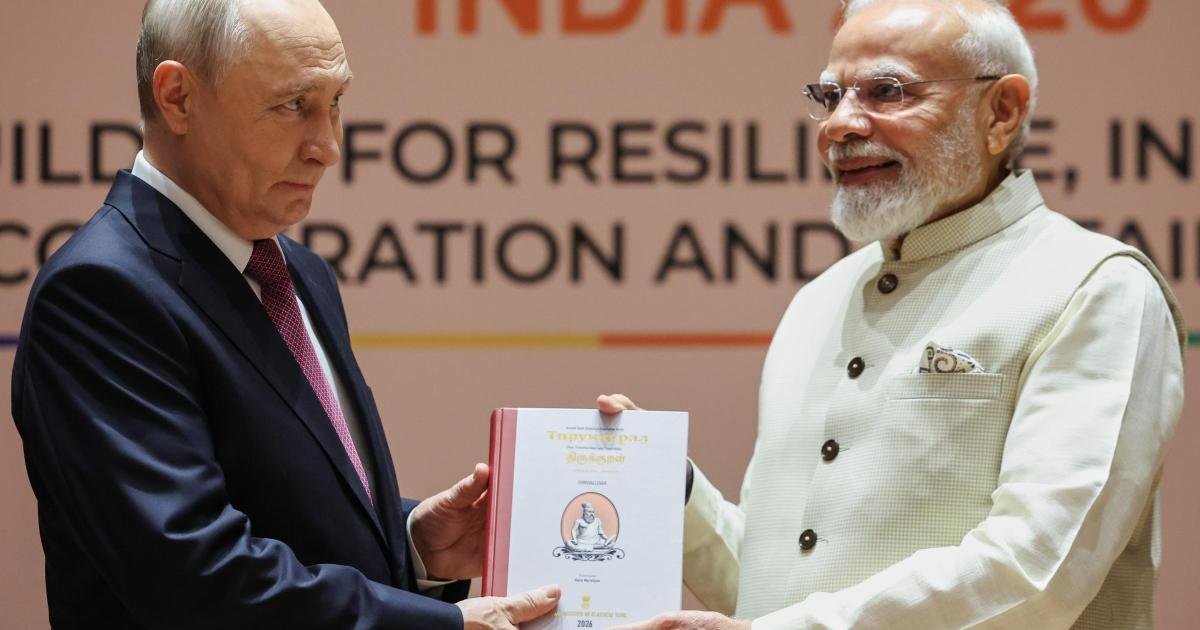
New Delhi Hosts BRICS Summit Amid Global Geopolitical Tensions
New Delhi has transformed into a high-security fortress this week as Prime Minister Narendra Modi hosts the latest BRICS summit. The gathering brings together a powerful assembly of global leaders, including Russian President Vladimir Putin, Chinese President Xi Jinping, and Iranian President Masoud Pezeshkian, alongside representatives from the bloc’s other eight member nations.
The summit takes place against a backdrop of significant international friction. With active conflicts in Ukraine and the Middle East, coupled with deteriorating relations between the United States and China, the group faces a critical test of its internal cohesion. Organizers have enforced strict traffic restrictions across the Indian capital, with thousands of police and paramilitary officers deployed to ensure the safety of the visiting heads of state.
A Growing Influence on the Global Stage
Since its inception in 2006 by Brazil, Russia, India, and China—with South Africa later joining in 2010—the alliance has undergone a dramatic transformation. Now boasting 11 members, the bloc represents approximately half of the world’s population and a commanding slice of the global economy. A central mission of the current assembly is to advocate for a more equitable voice for developing nations within international governance institutions.
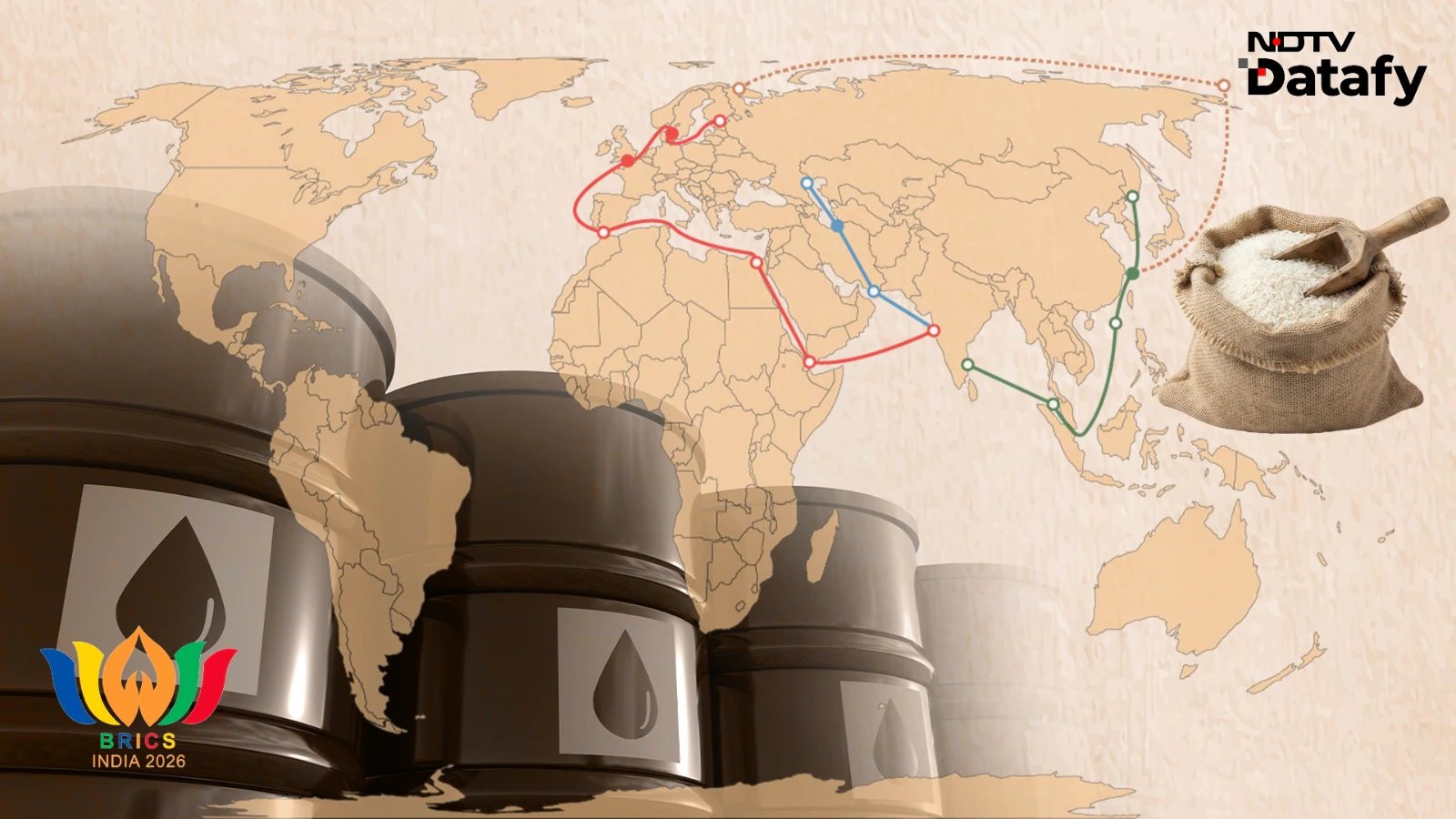
Discussions throughout the summit are expected to span a wide range of critical topics, including food and energy security, the stability of global supply chains, and technological cooperation. A primary focus, however, is the collective desire to reduce dependency on the US dollar. Several members are actively pushing for trade settlements in their own national currencies as part of a strategy to shield their economies from the reach of Western-led financial systems.
Strategic Balancing for India
For host nation India, the summit serves as a delicate diplomatic high-wire act. New Delhi is working to preserve its historical and strategic relationships with Moscow and Tehran while simultaneously strengthening its growing economic and defense partnerships with the United States and European allies. Prime Minister Modi held bilateral meetings with both President Putin and President Pezeshkian on Friday, underscoring India’s commitment to maintaining an independent stance on the global stage.
Beyond global geopolitics, India is eyeing the summit as an opportunity to mend frayed ties with China. Diplomatic relations between the two Asian giants have been strained since border clashes escalated in 2020. Observers are keenly watching for a scheduled meeting between Mr. Modi and Mr. Xi, which could potentially signal a thawing of tensions between the two nuclear-armed neighbors.
Challenges to Unity
Despite the ambitious agenda, the group faces internal hurdles. The search for a unified voice remains difficult, as evidenced by a failure earlier this year to reach a consensus on a joint statement regarding the Middle East conflict. With the ongoing crisis in the region causing widespread concern, the pressure on BRICS leaders to provide a clear, unified stance will be immense.
As the summit proceeds, the primary challenge for the bloc will be proving that it can transcend the competing national interests of its members. While China and Russia remain committed to positioning the organization as a viable counterweight to Western dominance, the success of this New Delhi summit will largely be measured by whether the members can move beyond rhetoric and secure a concrete, unified path forward.
Disclaimer: This content is auto-generated for informational purposes only.
Source: Read Original News