







EU Unleashes Landmark Packaging & Packaging Waste Regulation: A New Era for Circularity and Consumer Safety
Brussels, EU – August 11, 2026 – A pivotal moment for environmental sustainability and consumer protection dawns tomorrow, August 12, as new rules under the European Union’s Packaging and Packaging Waste Regulation (PPWR) officially come into effect. This comprehensive legislative framework is poised to revolutionize the packaging industry across the EU, tackling critical environmental challenges, bolstering the Single Market, and accelerating Europe’s transition towards a competitive circular economy and climate neutrality by 2050.
One of the most immediate and impactful measures taking hold is a stringent restriction on per- and polyfluoroalkyl substances (PFAS) in food-contact packaging. Effective tomorrow, food packaging exceeding strict PFAS limits will no longer be permitted on the EU market. This landmark decision targets the pervasive "forever chemicals," which are known for their high persistence and ability to accumulate in the environment and human body.
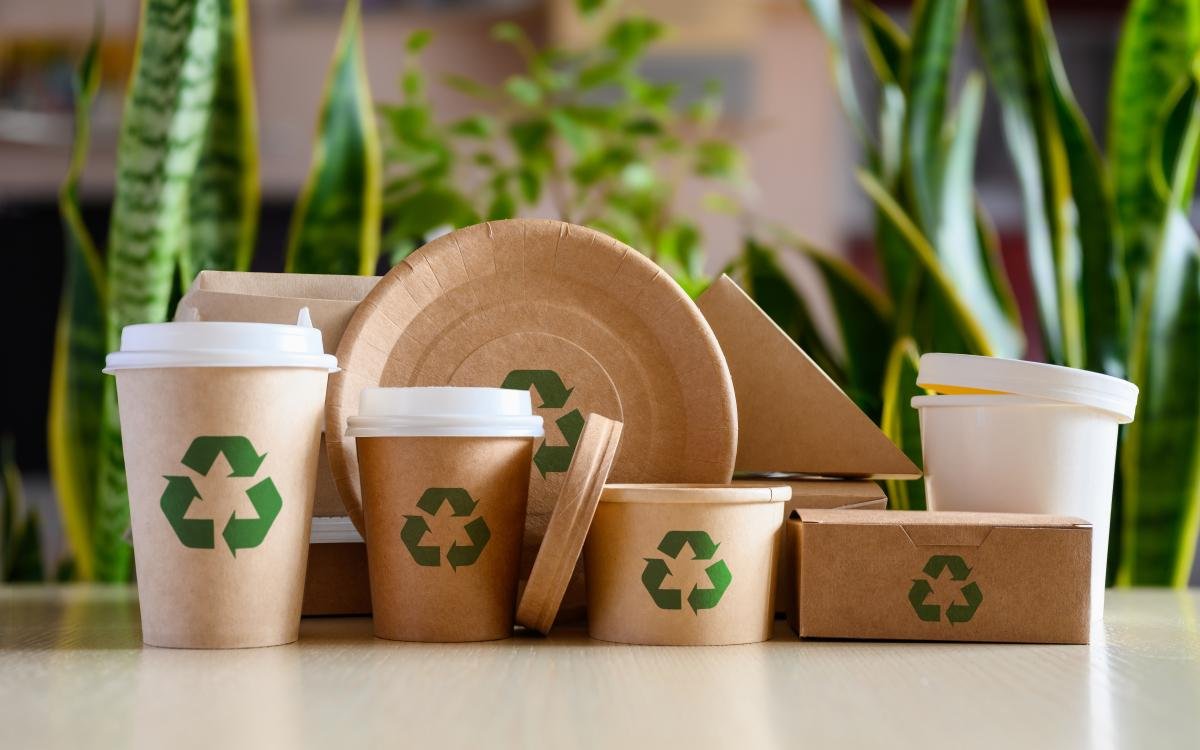
PFAS have historically been a common additive in food packaging, including takeaway containers, fast-food wrappers, microwave popcorn bags, bakery paper, and pizza boxes, primarily for their water and grease repellent properties. By curtailing their use, the new regulation aims to significantly reduce human exposure to these harmful substances and mitigate their release into ecosystems.
Beyond PFAS, the PPWR introduces crucial harmonisation across the EU. Definitions for key roles, such as manufacturers and producers responsible for extended producer responsibility (EPR) of packaging, will now be standardized. Furthermore, specific markings and information will be mandatory on packaging, ensuring greater transparency and traceability for consumers and authorities alike.
Jessika Roswall, Commissioner for Environment, Water Resilience, and a Competitive Circular Economy, lauded the regulation as a strategic investment in Europe’s future. "The new Packaging and Packaging Waste Regulation is an investment in Europe’s future: it will help reduce waste, increase recycling, make food-contact packaging safer for the consumers by limiting harmful substances such as PFAS, and reduce our dependence on virgin raw materials. These are essential steps towards a truly circular economy," she stated. Roswall also acknowledged the initial adjustment costs for market operators, emphasizing the Commission’s intensive efforts to facilitate a pragmatic and unbureaucratic implementation process.
Phased Implementation Towards a Circular Future
The PPWR’s general entry into application tomorrow marks the beginning of a phased rollout of additional rules. These subsequent measures are designed to further solidify the EU’s commitment to a circular economy, ensuring valuable materials remain in use for longer and bolstering the recovery and utilization of secondary raw materials within the bloc. This approach is expected to alleviate pressure on resource extraction, minimize waste generation, and enhance the resilience and competitiveness of European industry through more secure and sustainable material supply chains.
A significant development on the horizon is the introduction of a harmonized labelling system for packaging across the EU, set to apply from 2028. This standardization will streamline waste-sorting processes, boosting the efficiency of recycling and composting streams, and is projected to save the packaging industry billions of euros over time.
The majority of the PPWR’s obligations will become applicable from 2030. These include ambitious measures to:
- Reduce the generation of packaging waste, encompassing new limits on empty space, ambitious reuse targets, and restrictions on very small single-use plastic packaging formats commonly found in hotels and restaurants.
- Foster the circular economy through the mandatory use of recycled plastic waste in new plastic packaging and the universal requirement for all packaging to be recyclable.
The European Commission is actively developing the necessary secondary legislation to support these upcoming phases, prioritizing effectiveness and minimizing administrative burdens. Collaboration with national authorities, industry stakeholders, and civil society remains central to ensuring a smooth and practical implementation of these new regulations.
Addressing a Growing Challenge
The PPWR’s genesis lies in addressing pressing environmental and economic concerns. Without intervention, packaging waste in the EU was projected to surge by 19% by 2030, with plastic packaging waste potentially escalating by as much as 46%. The regulation, which formally entered into force in February 2025, aims to counter these trends, fostering a more sustainable and competitive packaging sector and strengthening the Single Market through unified rules.
By reducing reliance on imported fossil fuels, from which plastic packaging is predominantly derived, and by promoting a robust circular economy, the PPWR is set to deliver substantial benefits. These include reduced greenhouse gas emissions, decreased water usage, lower environmental costs for the packaging sector, and significant long-term compliance savings for businesses. Consumers will also benefit directly from measures like the restriction of harmful substances such as PFAS.
The European Commission has proactively published comprehensive guidelines and Frequently Asked Questions to facilitate uniform application and simplify compliance for all stakeholders. Notably, guidance specifically addressing the new PFAS restrictions was published in March 2026, offering practical information for businesses, national authorities, and other relevant parties.
More Information:
- Packaging & Packaging Waste Regulation | European Commission
- Packaging and Packaging Waste Regulation | EUR-Lex
- Guidance document for Regulation (EU) 2025/40 on Packaging and Packaging Waste | EUR- Lex
- Updated Frequently Asked Questions on PPWR | Publications Office of the EU
- Plastic packaging waste in the EU: 35.3 kg per person | Eurostat