









Corporate Restructuring and the Impact on Ninja Theory
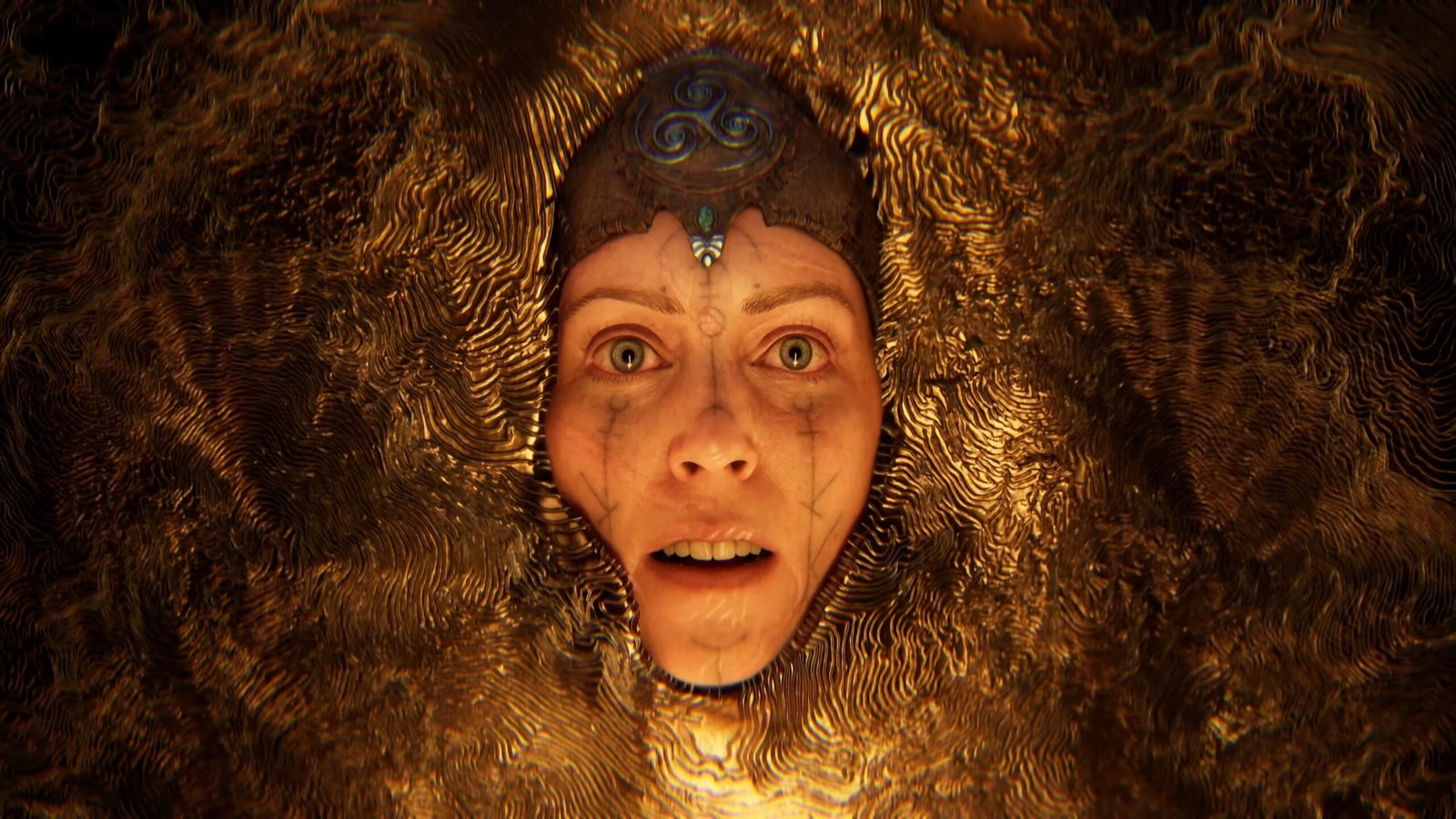
The gaming industry is currently navigating a period of significant structural recalibration, characterized by widespread workforce reductions and strategic reprioritization within major publishing houses. Within this landscape, Ninja Theory, the studio renowned for the Hellblade series, has become a focal point of these industry-wide shifts. Following a series of organizational adjustments at Xbox, reports have confirmed that the studio is undergoing a period of instability, with numerous developers either receiving redundancy notices or finding their roles eliminated as part of a proposed closure process.
These developments stem from a larger business “reset” enacted by parent company Microsoft. Earlier this year, the company initiated broad cuts across its interactive entertainment divisions, citing the need for structural efficiency. As these changes filter down to the studio level, the specific fate of Ninja Theory has remained in a state of flux. While attempts were reportedly made to preserve the studio’s independence or facilitate a transition through external acquisition, those agreements did not reach fruition. Consequently, the organization is currently navigating the difficult process of staff consultation.
Technical Expertise and Workforce Displacement
The human cost of these changes is becoming increasingly visible as staff members document their departures across professional networks. Among those exiting the studio are individuals in highly specialized technical roles, including technical directors, gameplay programmers, and sound designers. This exodus represents a significant loss of technical institutional knowledge, particularly regarding the sophisticated motion capture and audio-spatial techniques that have defined the studio’s output for years.
For developers like Katrin Mair, a gameplay programmer who confirmed her departure, the transition marks the end of a multi-year tenure characterized by collaborative problem-solving and rigorous attention to detail. These departures are not merely a change in headcount; they represent the dispersal of specialized talent pools that have spent years mastering proprietary pipelines. When studios of this caliber face mass redundancies, the broader technical community loses engineers familiar with complex engine architectures and creative toolsets that are not easily replicated in other environments.
Uncertainty Surrounding Future Project Pipelines
The most immediate consequence of the current volatility is the uncertainty surrounding the development of future titles, specifically the third entry in the Hellblade series. Initially announced during the Xbox Games Showcase in mid-2026, the project was intended to be a flagship release for 2027. However, the current situation leaves that timeline in jeopardy.
Industry analysts have noted a discrepancy between the project’s public announcement and the internal financial strategies of the parent company. Reports suggest that the announcement of the third installment was, in part, a strategic maneuver aimed at increasing the studio’s visibility to potential buyers. When those sale efforts failed to yield a successful transition, the game’s development status became a casualty of the broader closure proceedings. Without a stabilized workforce or a definitive path forward, the resources and momentum required to carry such a high-fidelity project to completion remain largely absent.
Strategic Misalignment and Market Realities
The situation at Ninja Theory highlights a recurring friction between creative development cycles and corporate financial planning. The studio’s identity has historically been tied to high-production-value, narrative-driven experiences that require long-term investment. In the current economic climate, however, major publishers are increasingly moving toward models that emphasize rapid iteration and tighter control over operational expenses.
This misalignment becomes particularly apparent when projects are used as bargaining chips or catalysts for valuation during corporate maneuvers. When a project is leveraged to attract buyers but the underlying business fails to secure a deal, the product is often abandoned, regardless of its artistic potential or technical development progress. This approach creates a cycle of instability where even promising, high-profile projects are discarded if they no longer serve the immediate financial objectives of the parent entity.
The Broader Impact on Game Development
The challenges currently facing Ninja Theory reflect a broader shift in the interactive media landscape, where established studios are frequently subjected to aggressive optimization strategies. As these firms consolidate, the diversity of the development ecosystem is affected, particularly regarding the ability of specialized studios to maintain their operational identity.
When institutional knowledge is lost through large-scale layoffs, the capacity for innovation across the industry is diminished. The technical proficiency required to produce titles that push the boundaries of graphics, performance, and narrative immersion is built over many years. As specialized staff members move into different sectors or are pushed out of the industry entirely, the cumulative talent density that makes top-tier studio work possible becomes increasingly fragile. The current situation serves as a stark reminder of the vulnerability of creative departments when subject to the volatility of corporate-level structural reconfigurations. For the gaming industry, the challenge remains balancing the demands of fiscal oversight with the necessity of maintaining the talent and stability required to produce complex interactive media.
Disclaimer: This content is auto-generated for informational purposes only.
Source: Read Original News