








The Intersection of Intellectual Property and Public Satire
In the modern media landscape, the boundary between corporate intellectual property (IP) control and creative satire is frequently blurred. The recent discourse surrounding Nintendo’s reaction to portrayals of its iconic characters on Saturday Night Live (SNL) highlights the tension between a company’s carefully curated brand image and the unpredictable nature of comedy programs. While parody is generally protected under free speech, the practical application of brand management suggests that companies like Nintendo maintain strict internal standards regarding the usage of their assets, especially when those assets are placed into contexts that deviate significantly from their established family-friendly reputation.
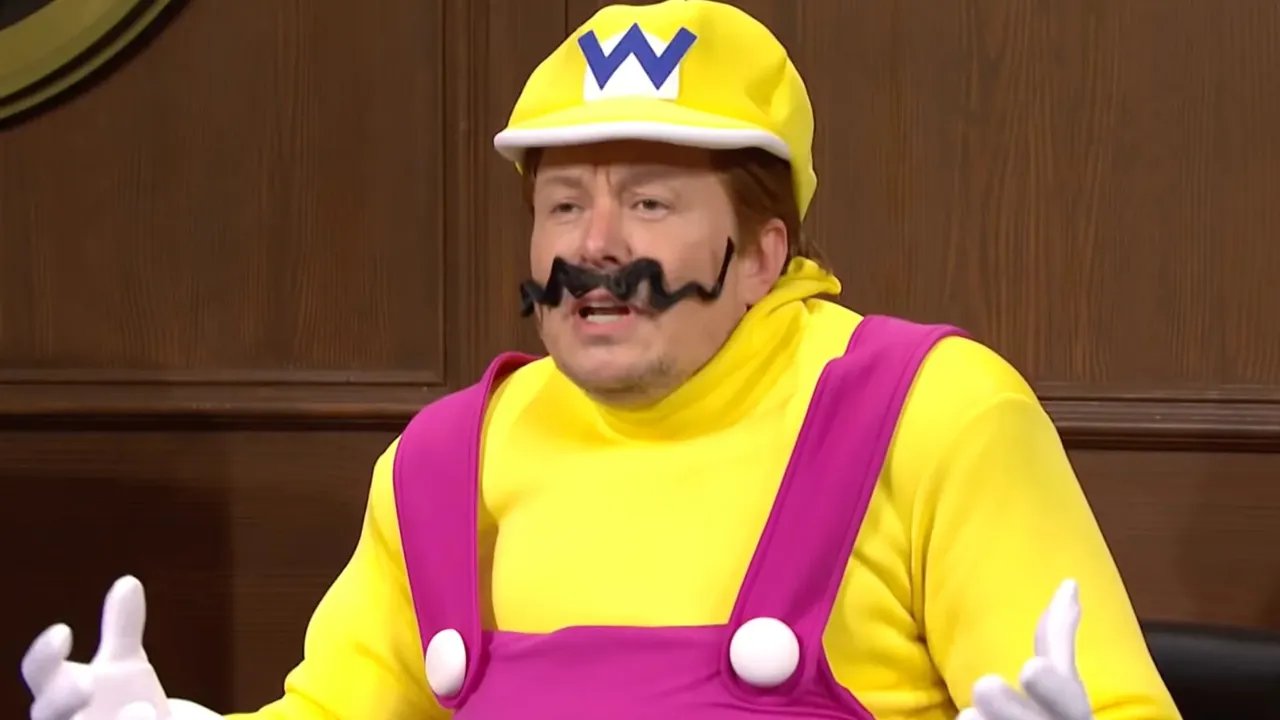
Recent revelations from former Nintendo public relations managers Kit Ellis and Krysta Yang have shed light on the internal corporate sentiment regarding Elon Musk’s 2021 appearance as the character Wario. In the sketch, the antagonist was positioned in a courtroom setting, accused of criminal activity, and subjected to a narrative that included mature, explicit, and illicit themes. According to the former employees, this specific creative direction did not sit well with the decision-makers at Nintendo, marking a point of contention between the comedy writers and the Japanese gaming giant.
Corporate Brand Management in the Digital Age
For a brand like Nintendo, which has spent decades cultivating a reputation for accessibility, innovation, and “wholesome” entertainment, the challenge of maintaining that identity is immense. Nintendo’s business strategy is built upon the mass appeal of characters like Mario, Luigi, and Zelda. When these figures are appropriated by outside entities for adult-oriented sketches, it creates a misalignment that firms often find detrimental to their long-term value.
In the 2021 instance, the primary concern from a corporate standpoint was the lack of strategic synergy. Ellis noted that the sketch was particularly jarring because it lacked a connection to a current product cycle or marketing campaign. When a company engages in promotional activities, there is a clear roadmap and approved messaging. In the context of a surprise SNL skit, the brand loses its ability to control the message, leading to potential confusion among younger demographics or parents who view Nintendo as a safe harbor for gaming. The inclusion of mature elements—specifically those involving drug references and sexualized content—serves as a direct contradiction to the global marketing strategy that emphasizes fun for all ages.
The Mechanics of Parody and Legal Boundaries
The usage of intellectual property in a comedy sketch usually falls under the umbrella of transformative work or parody. Legally, comedy shows have broad latitude to depict fictional characters, provided they do not infringe on trademarks or suggest an official endorsement. However, the legal right to parody and the corporate desire for brand protection are two different entities.
Nintendo’s internal reaction highlights a broader trend in how global technology and entertainment companies monitor their footprint. Monitoring the media landscape is a standard part of modern PR operations. Teams now utilize automated tracking tools to monitor social media mentions, broadcast appearances, and digital content that utilizes their IP. When a depiction enters the “uncomfortable” territory described by former employees, companies must weigh the benefits of a public response against the risk of drawing more attention to the unauthorized content. In most cases, silent disapproval remains the standard approach, though the public airing of these internal feelings by former employees underscores just how seriously these corporations take the preservation of their legacy characters.
Comparative Analysis of Recent Parody Trends
The discussion regarding the 2021 Wario sketch arose following a more recent SNL skit that pitted The Legend of Zelda’s protagonist, Link, against a character from the upcoming Grand Theft Auto 6. This more recent segment, while still satirical, took a different approach by focusing on game mechanics and competitive identity.
Observers like Ellis and Yang have suggested that this newer content, despite poking fun at the perceived limitations of Nintendo’s hardware or design choices, is better received because it remains tethered to the actual experience of gaming. It serves as a critique rather than a deconstruction. The distinction between a parody that plays with the concepts of a game and one that turns iconic characters into social deviants is critical for PR teams. The former is viewed as a natural side effect of having a prominent place in pop culture, while the latter is viewed as an intrusion upon the integrity of the intellectual property.
The Impact of Brand Integrity on Long-Term Strategy
Moving forward, the relationship between mainstream entertainment programs and gaming icons will likely continue to evolve. Gaming is no longer a niche hobby; it is a central pillar of global entertainment. Consequently, characters that were once the domain of children are now cultural icons that permeate every level of society.
Nintendo’s success is anchored in its ability to protect its IP while keeping it relevant. The company’s reluctance to embrace adult-themed interpretations is not just a stylistic choice but a business model. By maintaining a clear boundary, Nintendo ensures that its products remain recognizable and trustworthy. As entertainment mediums converge, the friction between platforms like SNL and brands like Nintendo serves as a case study in the necessity of brand discipline. For creators and corporations alike, the challenge remains in finding a middle ground where parody can exist without forcing a confrontation between artistic expression and corporate brand standards. While the 2021 Wario sketch remains an outlier in its intensity, it serves as a reminder that even the largest entities are constantly monitoring the perception of their digital assets in an increasingly interconnected world.
Disclaimer: This content is auto-generated for informational purposes only.
Source: Read Original News