







The Evolving Landscape of Physical Media in Gaming
The transition toward a digital-first economy in the video game industry has been steady for over a decade, but a recent strategic shift from Sony has sent shockwaves through the development community. With reports indicating that the manufacturer plans to cease the production of physical game discs by 2028, companies that rely heavily on tangible goods are facing a significant inflection point. Among those navigating this transition is Nippon Ichi Software, a publisher renowned for its elaborate, collector-focused limited editions. Kenzo Saruhashi, who currently leads both Nippon Ichi Software and its subsidiary, NIS America, recently addressed these industry changes, signaling that the future of physical media may involve a complex negotiation between legacy formats and modern digital distribution.
The Core Business Model of Niche Publishers
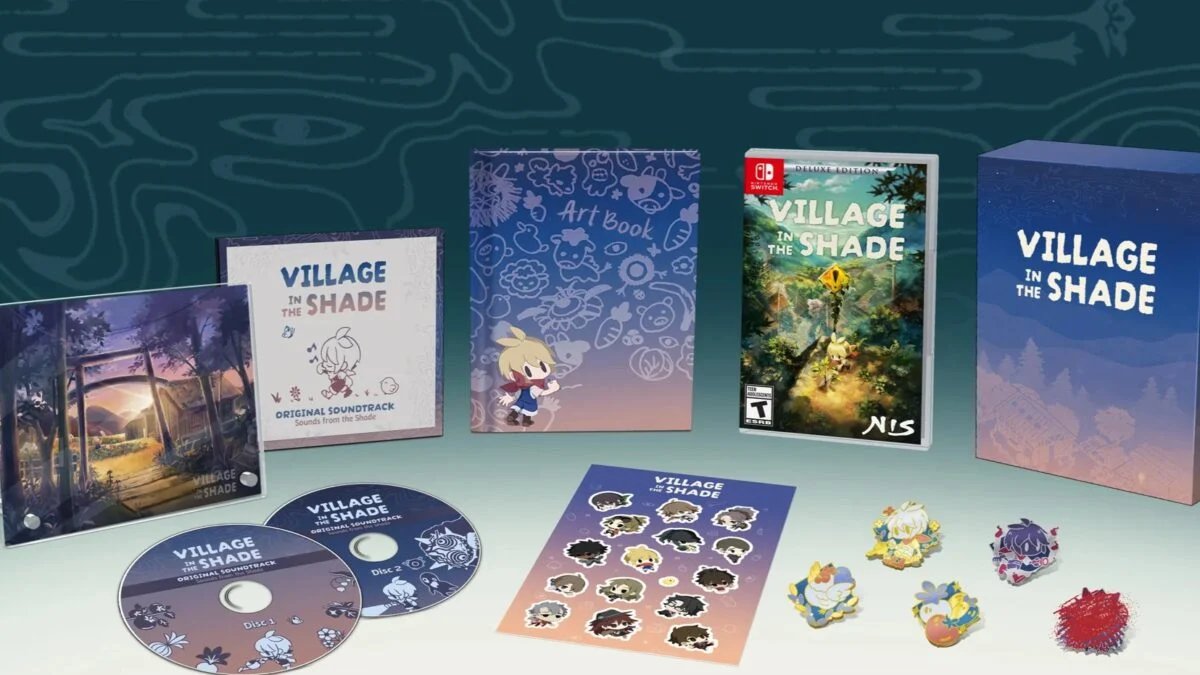
For publishers like NIS America, physical media is not merely a distribution method; it is a fundamental pillar of their value proposition. The company frequently releases titles accompanied by high-quality, physical limited-edition bundles. These packages often contain soundtracks, art books, and various high-quality merchandise that appeal to a dedicated collector base. For these enthusiasts, the disc serves as a centerpiece, representing a permanent ownership of the intellectual property that digital storefronts cannot replicate.
Saruhashi emphasized that the company’s commitment to these physical releases remains steadfast. The operational strategy for NIS America has been to deliver premium, tangible experiences, and the sudden removal of disc manufacturing capabilities poses an existential threat to this specific market segment. If the primary distribution medium vanishes, the perceived value of these collector’s boxes could diminish significantly, forcing publishers to rethink how they justify the cost of these premium items to their audience.
Technical Alternatives: Code-in-a-Box and Beyond
When physical discs are no longer an option, the industry often turns to “code-in-a-box” formats, where a plastic case houses a digital download voucher rather than a playable disc. While this preserves the “unboxing” experience that collectors crave, it has historically met with mixed reactions from consumers. Earlier experiments by publishers to introduce game key cards for hardware iterations, such as the upcoming successor to the Nintendo Switch, were met with skepticism from the community. Players often perceive these vouchers as inferior to permanent data storage on a disc, as digital licenses can be subject to server shutdowns or licensing conflicts in the distant future.
However, as the 2028 deadline approaches, developers are forced to weigh the convenience of digital distribution against the desire for physical preservation. Saruhashi noted that while digital keys represent a logical pivot for the industry, they are likely not the only solution on the table. The goal remains to maintain the quality and collectibility that the brand is known for, even if the underlying technology behind the game’s delivery must change.
Feedback Loops and Industry Leverage
Recent internal developments suggest that the dialogue between hardware manufacturers and software publishers is far from closed. Reports indicate that Sony is actively soliciting feedback from developers through formal surveys, specifically inquiring about their methods for physical distribution and the impact of the planned disc discontinuation. This move indicates that the manufacturer is aware of the friction caused by its 2028 roadmap.
From the perspective of a publisher like Nippon Ichi, this polling represents a narrow window of opportunity. It is possible that the final implementation of Sony’s policy may not be a binary “on or off” switch, but rather a nuanced policy that creates exceptions for specific tiers of production. For instance, manufacturers could implement a system where standard releases are pushed exclusively to digital, while niche titles or limited-edition runs are permitted to utilize custom, smaller-scale disc manufacturing processes.
Challenges of Digital-Only Distribution
The impact of moving toward a purely digital ecosystem extends beyond just the hardware and the consumer; it fundamentally alters the lifespan of software. Physical discs offer a level of longevity that is inherently tied to the hardware. Without the disc, a game is entirely dependent on the availability of online servers and the status of the account associated with the digital key. If manufacturers enforce a hard stop on physical media, they essentially mandate that the legacy of a game is tied to the longevity of the company’s backend infrastructure.
For publishers specializing in long-tail, cult-classic, and niche titles, this lack of permanence is a significant concern. While digital distribution provides superior logistics, analytics, and instant availability, it introduces a reliance on centralized control that many legacy collectors find problematic. As the industry moves closer to the 2028 timeline, the challenge for companies like NIS America will be to bridge the gap between their commitment to tangible, high-quality physical products and the reality of a platform holder’s desire to centralize game distribution into a digital-only framework.
Looking Toward a Compromised Future
While it remains unlikely that Sony will fully retract its strategic pivot, the optimism expressed by leaders like Saruhashi suggests that the industry is still in the middle of a delicate negotiation. The likely outcome is not a total abandonment of physical products, but a transformation of what “physical” means in the context of modern gaming. Whether through serialized key cards that retain a collector’s aesthetic or a new, specialized program for limited physical runs, the demand for tangible goods persists. The next three years will be critical for developers and publishers to prove that physical media still serves a vital function in the gaming ecosystem, ensuring that collectors and traditionalists are not left behind in the race toward a purely virtual future.
Disclaimer: This content is auto-generated for informational purposes only.
Source: Read Original News