






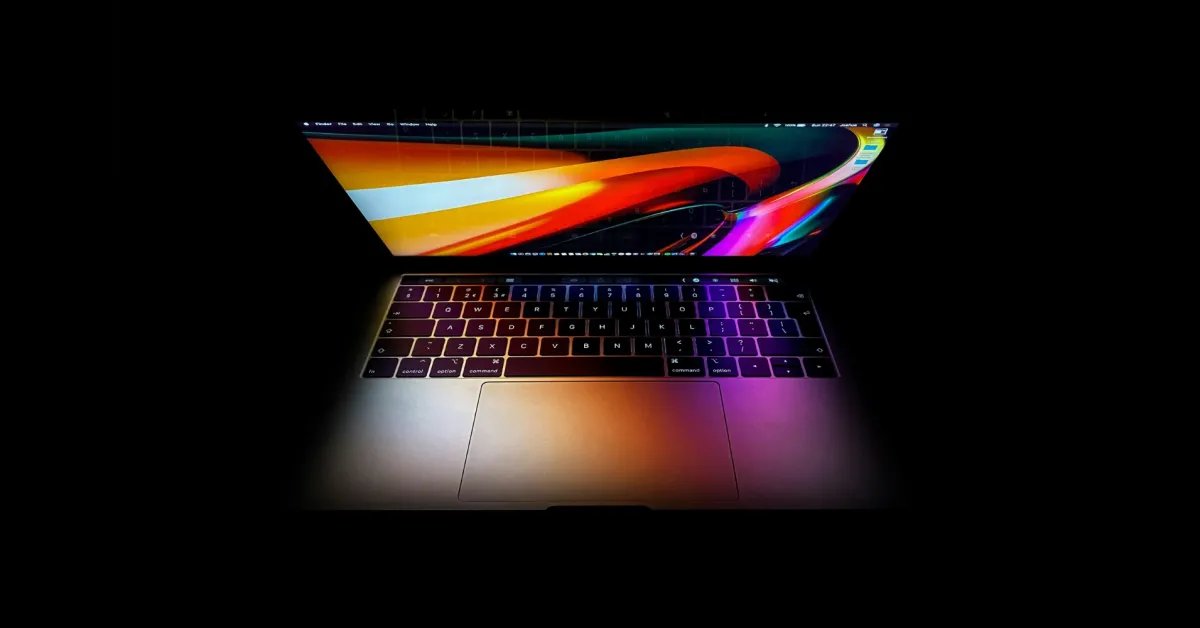
The landscape of professional computing is on the cusp of a significant visual transformation. Recent data from Counterpoint Research indicates that the adoption of OLED technology in high-end portable computers is accelerating, with a projected 50% increase in shipments for 2026. This shift is largely attributed to the anticipated refresh of the Apple MacBook Pro line, which is expected to integrate advanced display architectures, signaling a departure from the reliance on MiniLED technology.
The Shift Toward OLED Dominance
Market analysis reveals a widening divide between display technologies in the premium notebook segment. While the overall notebook display market is forecast to contract by 3% in 2026, the advanced display sector is bucking this trend with an expected 11% growth. Central to this performance is the transition from MiniLED to OLED. Industry estimates suggest that OLED panels will capture 75% of the advanced display market by 2026, up from 56% in 2025, while MiniLED’s share is projected to shrink from 44% to 25%.
This transition is not merely cosmetic. OLED displays offer inherent benefits that appeal to professional users, most notably self-emissive pixels that provide perfect blacks and infinite contrast ratios. Unlike MiniLED, which relies on localized dimming zones—an approach that can occasionally result in light blooming around high-contrast subjects—OLED offers pixel-level precision.
Tandem OLED Technology and Longevity
A critical concern regarding OLED technology in long-term professional use is image persistence, often referred to as burn-in. To address this, manufacturers are increasingly turning to tandem OLED architectures. This methodology utilizes two layers of OLED materials stacked together rather than the traditional single-layer configuration. By distributing the electrical load across two layers, the display can achieve significantly higher peak brightness while simultaneously reducing the current required for each individual pixel.
This reduction in current density is fundamental to extending the lifespan of the display. Apple has already successfully implemented this technology in the latest iPad Pro models, establishing a template for the upcoming MacBook Pro refresh. By leveraging two-stack tandem OLED, these new laptops are expected to maintain color accuracy and luminance over years of heavy professional workflow, mitigating the historical degradation concerns that have kept OLED out of the workstation market for so long.
The Role of AI and Premium PC Demand
The momentum behind OLED adoption is not solely driven by display aesthetics; it is also intrinsically linked to the rise of premium AI PCs. As professional workflows incorporate increasingly resource-intensive generative AI tools and local large language models, the demand for high-performance hardware has surged. Manufacturers are responding by packaging these computing powerhouses with top-tier displays to justify the premium price point and support creative tasks that require extreme color accuracy.
Counterpoint Research highlights that the demand for these sophisticated machines, combined with Apple’s entry into the OLED space, creates a “halo effect.” As users become accustomed to the visual fidelity and power efficiency of OLED panels on flagship devices, the pressure increases for the broader industry to standardize this technology across lower-tier product lines. This trend is expected to sustain a 26% compound annual growth rate for OLED notebook panels through the end of the decade.
Design Implications and User Experience
Rumors surrounding the next-generation MacBook Pro suggest that the adoption of OLED will enable more than just improved image quality. The thinner nature of OLED panels, compared to the backlighting components required for MiniLED, allows for a more compact internal design. This physical reduction in thickness and weight is expected to result in a redesigned chassis, facilitating a more portable device without sacrificing battery life or performance.
Moreover, the integration of a touchscreen interface—a feature long discussed in the context of professional Mac workflows—requires a display technology that is responsive, thin, and highly efficient. OLEDs are well-suited to these requirements, as they can be manufactured with integrated touch sensors that do not significantly add to the thickness of the panel stack. These hardware refinements, coupled with the inherent power savings of OLEDs in dark-mode environments, are poised to set a new standard for mobile workstation design.
Future Market Trajectory
As the industry moves toward 2030, the financial implications of this transition are substantial. Forecasts suggest that revenue from OLED notebook panels will grow at an annual rate of 35%. This high growth rate indicates that display manufacturers are shifting their capital investments away from traditional LCD and MiniLED production lines to prioritize high-margin OLED fabrication.
For the end user, this transition represents a convergence of professional-grade display standards with portable form factors. The move toward two-stack tandem OLED architectures ensures that these machines remain viable for multi-year lifecycles. As Apple continues to influence market trends, the move to OLED will likely dictate the next wave of display innovation, cementing its position as the preferred technology for professional computing for the remainder of the decade.
Disclaimer: This content is auto-generated for informational purposes only.
Source: Read Original News