









Kuwait Endures as a Beacon of Resilience Amidst Escalating Regional Tensions
Kuwait City, Kuwait – In the volatile landscape of the Persian Gulf, Kuwait finds itself once again on the front lines, navigating a protracted conflict with Iran that has tested its resolve and underscored its enduring resilience. Despite significant economic challenges and the constant threat of attack, the tiny petrostate has demonstrated remarkable fortitude, uniting its populace and prioritizing economic stability.
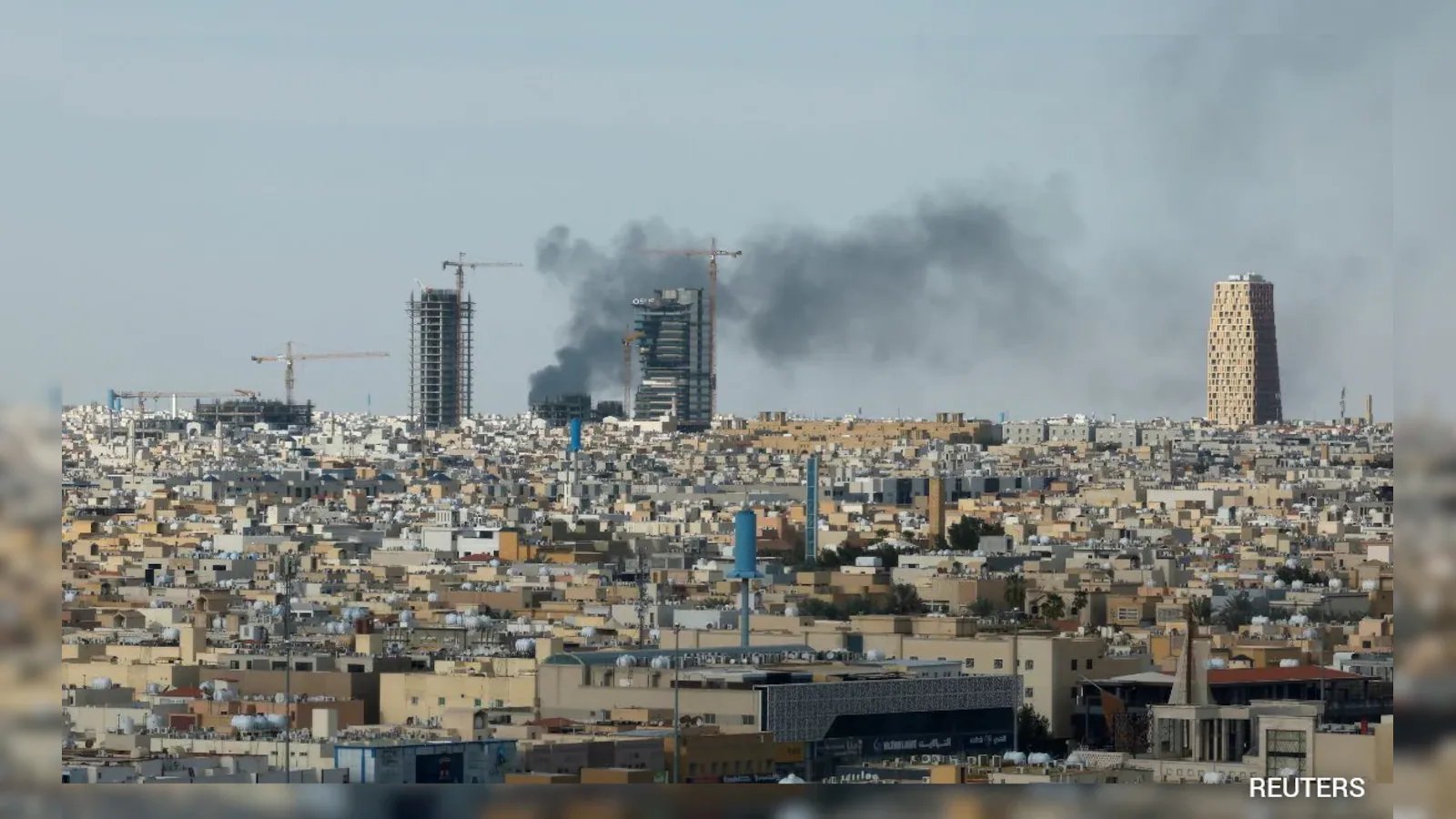
The charred remains of Kuwait Petroleum Corp.’s waterfront headquarters, struck by a drone in April, stand as a stark reminder of the regional turmoil. Yet, just months after the attack, the company inked a monumental pipeline deal worth $16 billion with North American firms – the largest foreign direct investment in Kuwait’s history. This audacious move exemplifies Kuwait’s determination to press forward even in the face of adversity.
The current conflict, approaching its seventh month without a lasting peace deal between President Donald Trump and Tehran, has reignited familiar fears and exposed vulnerabilities. Reports from the International Institute for Strategic Studies indicate Kuwait was among the most targeted Arab states, alongside the UAE, in the initial weeks of the war. However, Kuwaitis have responded with unwavering resolve, organizing blood drives, fortifying safe rooms, stockpiling essentials, and moving school classes online. The government has simultaneously ensured the continuous flow of oil exports and maintained business operations.
This steadfastness is deeply rooted in the nation’s history. This month marked the 36th anniversary of Iraq’s lightning invasion, triggering the First Gulf War – a traumatic event that continues to shape the national psyche. "Kuwait had to constantly manage external threats and contend with much larger, and at times more powerful, neighbors," explains Bader Al-Saif, a historian at Kuwait University and an associate fellow at Chatham House. This historical struggle for independence, he notes, galvanizes many Kuwaitis today.
Following its liberation by US-led forces, Kuwait became a strategic host for the American military, a decision that has at times exposed it to retaliation. The current conflict has seen two US military camps and Kuwaiti airbases targeted, highlighting the complex geopolitical landscape. However, the 1990 invasion also ignited a powerful domestic resistance movement, fostering a spirit of defiance that remains a core aspect of Kuwaiti identity, distinguishing it from some of its Gulf neighbors.
Evidence of this resilience is palpable throughout Kuwait City. Despite ongoing threats, supply chains remain robust, thanks to reinforced links with Saudi Arabia and the UAE, keeping supermarket shelves stocked. The economy boasts ample liquidity, and malls buzz with shoppers and diners. A touching symbol of national unity has emerged in the form of the bright yellow Al-Arfaj desert flower, adopted by Kuwaitis as a representation of their vibrant spirit and ability to bloom even in the harshest conditions.
While the nation’s robust $1 trillion-plus sovereign wealth fund provides a significant buffer, the conflict has undeniably had an economic impact. Exports slumped following the closure of the Strait of Hormuz, and economists predict a 7.9% contraction in the economy for 2026. The government has resorted to tapping debt markets due to a surging budget deficit, primarily driven by hefty public sector salaries and subsidies.
However, Daniel Kaye, chief economist at National Bank of Kuwait, remains optimistic, noting that "Kuwait’s economy has weathered the crisis reasonably well thanks to a combination of strong sovereign buffers, effective policy intervention, and regional cooperation." Activity indicators, he adds, are already showing significant recovery from initial lows.
Despite the ongoing conflict, direct engagement between Kuwait and Iran has been minimal, save for a brief phone call between their foreign ministers in June. The war has, however, prompted some Kuwaitis to re-evaluate the long-standing alliance with the US, particularly after the temporary closure of the US embassy. Diplomatically, Kuwait is actively forging closer ties with European and Arab allies to bolster its sovereignty and defenses, with particular concern directed at Iranian-backed militias in neighboring Iraq.
While some citizens consider transferring savings abroad or purchasing property elsewhere out of fear of escalation, officials exude confidence. Sheikh Meshaal Al-Sabah, director general of the Kuwait Direct Investment Promotion Authority, credits the nation’s perseverance to "strong economic fundamentals and progressive vision," affirming Kuwait’s commitment to attracting long-term investment and fostering sustainable economic transformation.
The skeletal remains of the Public Institution for Social Security building in central Kuwait City, struck in March, serve as another poignant reminder of the ongoing challenges. Yet, despite the relentless assaults, Kuwait remains a hive of business activity. The recent pipeline deal, a joint venture that will lease rights to KPC’s pipelines, is expected to generate $7.85 billion for Kuwait, funding an expansion of the company’s oil output. Unlike its neighbors, Kuwait’s sole reliance on the Strait of Hormuz for oil exports underscores the critical importance of maintaining stability in the region.
"The future of energy security will be defined by resilience across the entire value chain," stated Sheikh Nawaf Al-Sabah, KPC’s CEO, emphasizing the company’s commitment to building a "more connected, flexible, and diversified energy system" to ensure its position as a trusted global supplier.
The presence of international business leaders like Franklin Templeton CEO Jenny Johnson and Brookfield CEO Bruce Flatt in Kuwait, even amidst escalating tensions, signals a vote of confidence in the nation’s economic fortitude. Furthermore, a Kuwaiti defense official reports a remarkable 98% interception rate for incoming missiles and drones, indicating the effectiveness of national defenses, though the sound of sirens has become an unfortunate familiarity for many.
For some Kuwaitis, the current conflict has solidified a deep-rooted angst stemming from the Iraqi invasion. Many now view the Iran conflict as a war of attrition, with no foreseeable end. Yet, the nation’s unwavering spirit, rooted in a history of overcoming adversity, continues to shine through. Kuwait, a nation repeatedly tested by conflict, stands firm, resolute in its pursuit of economic stability and national sovereignty.