








Controversy Mounts as New Jersey’s Largest AI Datacenter Operates Unpermitted Generators
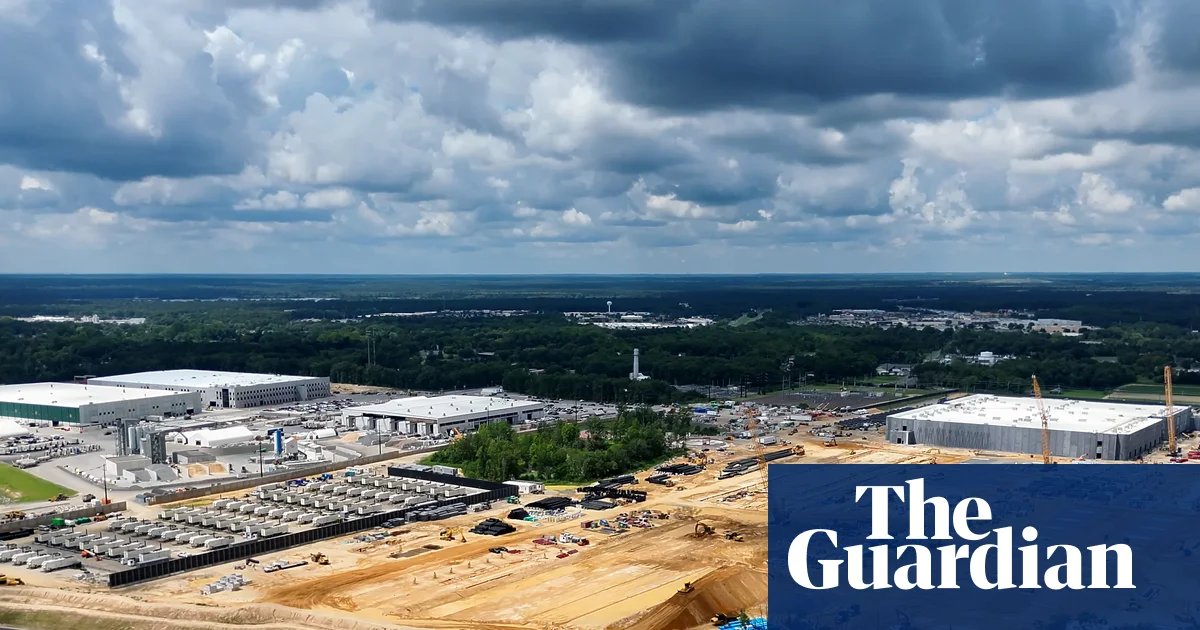
The ambitious push to expand America’s AI infrastructure has hit a significant regulatory and ethical hurdle in Vineland, New Jersey. DataOne, the site of the state’s largest planned AI datacenter, is now under fire after a visual investigation revealed the facility is running dozens of heavy-duty, gas-powered generators without the required federal or state permits.
A Regulatory Breach
The investigation, conducted by the non-profit newsroom Floodlight, utilized thermal drone footage to capture the scale of the facility’s unauthorized operations. The footage, filmed last week, identified at least 45 of the site’s 62 generators in active use.
This revelation has drawn sharp criticism from environmental experts. Bruce Buckheit, a former air enforcement chief at the Environmental Protection Agency (EPA), stated clearly that the operation is in violation of the law. “They are required to have a final permit before bringing those generators on site, and certainly before firing them up,” Buckheit said, adding that the company should immediately cease operations and face fines for its illegal emissions.
The New Jersey Department of Environmental Protection (NJDEP) confirmed to Floodlight that no permits have been issued or are currently under review for power generators at the Vineland location. The agency acknowledged observing the equipment during a July 29 inspection but has yet to issue a formal compliance determination.
Public Health and Noise Complaints
The DataOne facility, a major project linked to a $17 billion deal between the Dutch firm Nebius and Microsoft, has been a lightning rod for controversy since breaking ground in 2025. Located approximately a mile from two schools, the facility’s massive, tractor-trailer-sized generators are a source of significant air pollution. These emissions are linked to serious health risks, including asthma, heart attacks, and premature mortality.
Beyond air quality, local residents are battling the facility over relentless noise pollution. A class-action lawsuit has been filed in New Jersey federal court by locals, including Andrew and Stevi Groetsch, who live near the site. They describe a constant, invasive hum that disrupts their daily lives and sleep.
“If you don’t follow one rule, what makes us have any reason to believe that you would then follow others?” asked Stevi Groetsch.
The ‘Bring Your Own Power’ Strategy
DataOne is emblematic of a broader, contentious industry trend known as the “bring your own power” strategy. As demand for AI computing power skyrockets, datacenters are increasingly building their own private power plants to bypass grid limitations. With nearly 60 similar projects planned across the United States, the industry is struggling with supply chain backlogs, leading some to resort to stop-gap measures like portable generators and modified jet engines.
In Vineland, DataOne originally sought to use industrial marine engines before switching to a plan for 300MW of “combustion-free” fuel cells. However, that transition has been mired in further regulatory trouble, including recent stop-work orders issued by the city for attempting to move fuel cells onto the site without authorization.
A Culture of “Speed to Market”
Industry observers suggest that DataOne’s disregard for permitting reflects a prioritized focus on “speed to market.” According to Buckheit, the company appears to be operating under the philosophy that it is “better to ask for forgiveness than for permission.”
As the Datacenter controversy unfolds, the silence from major stakeholders—including Microsoft and Nebius—remains notable. For the residents of Vineland, the situation serves as a stark warning regarding the hidden costs of the rapid, AI-driven industrial expansion occurring in their own backyards.