





New Delhi: In a high-stakes bid to ensure that India’s medal hopefuls remain focused solely on their performance, the Sports Authority of India (SAI) has mobilized a comprehensive logistical and operational support framework for the 2026 Asian Games in Aichi-Nagoya. As the continental spectacle gets underway, the initiative aims to act as a buffer against the typical logistical bottlenecks that often plague massive multi-sport events, particularly in the wake of early reports of organizational hurdles.
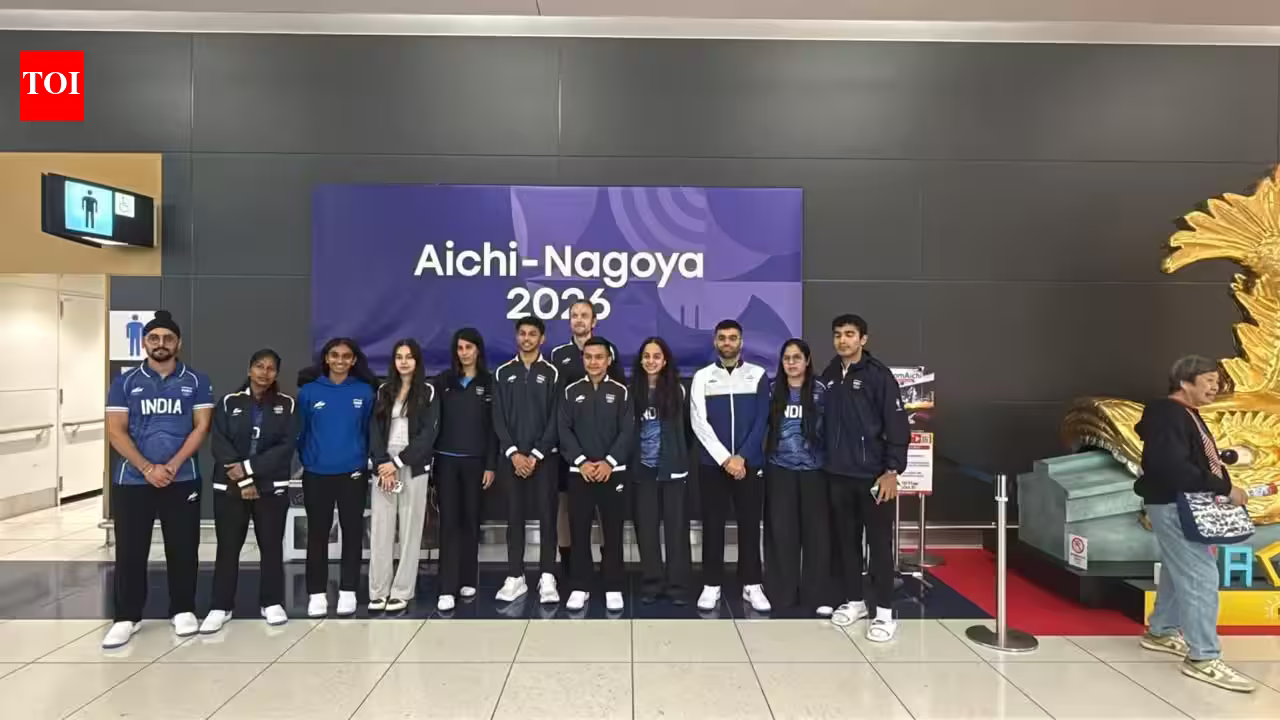
Working in lockstep with the Indian Olympic Association (IOA), the Embassy of India in Japan, and the Games Organizing Committee, SAI has deployed a specialized task force to the ground in Japan. This dedicated reception and assistance team has been stationed at arrival points to welcome athletes, coaches, and support staff, ensuring that the transition into the Games environment is as fluid as possible.
## Bridging the Gap: Overcoming Logistical Hurdles
The urgency of this intervention follows reports of initial friction during the arrival phase for several key contingents. Double Asian Games medallist Rudrankksh Patil recently shed light on the difficulties faced by the shooting squad upon their arrival in Aichi-Nagoya. According to Patil, the experience was marked by prolonged waiting times and significant confusion regarding lodging arrangements.
“We went to the welcoming centre. It took us three hours to wait for the bus over there,” Patil recounted. The ordeal was further exacerbated by the late-night arrival at their designated housing. “At 2 or 3 am, we started leaving for the hotel and reached there at around 3:30 or 4 am. After reaching the hotel, we realized that the hotel we had booked was not our hotel; we only had a couple of rooms over there, and that was supposed to be the best hotel.”
Patil noted that the discrepancy between the booked arrangements and the on-site reality led to heated disagreements between coaching staff and hotel management, a distraction that the Indian contingent could ill afford during the build-up to high-pressure competition. By proactively addressing these gaps, SAI and the IOA are seeking to prevent a recurrence of such issues, ensuring that athletes can transition from the airport to their rooms and training sessions without unnecessary friction.
## Strategic Deployment of Resources
Beyond simple arrival assistance, SAI has rolled out a suite of tailored services to streamline the daily grind of an elite athlete during the Games. One of the most critical interventions is the establishment of dedicated transport fleets for India’s shooting squad. Given the sprawl of competition venues in Aichi-Nagoya, having reliable, athlete-specific transport is paramount to maintaining training schedules and avoiding the exhaustion of public transit queues.
Furthermore, medical preparedness has been prioritized. Recognizing that injury prevention and immediate recovery are essential for medal success, SAI has deployed dedicated vehicles for medical personnel. This allows team doctors and physiotherapists to move rapidly between venues, ensuring that regardless of where an incident occurs, support is never more than a few minutes away.
To address the immediate fallout from the initial accommodation crisis, the organization has also secured additional rooms for coaches and support staff. This maneuver effectively bypasses the limited housing availability provided by the official Games organizers, ensuring that the support staff—the backbone of the athletes’ performance—are properly situated to provide 24/7 care.
## A Collective Effort: The Power of Diaspora
The response to the logistical challenges has not been limited to government agencies alone. In a heartening display of unity, the Indian diaspora in Japan has stepped forward to assist. Local residents and community groups have rallied to offer support, providing a safety net for the contingent as they navigate the complexities of a major international sporting event. This involvement from the diaspora has been praised by officials, highlighting the collective effort to ensure the Indian team feels at home in Japan.
## The Path Forward
The overarching objective of these measures is clear: to eliminate “off-field” stress so that athletes can channel their entire energy toward their respective disciplines. By managing the intricacies of immigration, luggage, local transit, and housing conflicts, SAI is allowing the athletes to treat the 2026 Asian Games with the clinical focus required for elite-level competition.
As the competition heats up in Aichi-Nagoya, the presence of the SAI task force continues to serve as a vital support system. While the challenges of hosting an event of this magnitude are inherent, the proactive, multi-layered approach adopted by India reflects a maturing sports ecosystem—one that prioritizes the welfare and performance of its stars above all else. With the logistical infrastructure now stabilized, the focus shifts back to the arenas, where the Indian contingent hopes to translate these efforts into a historic medal haul.
Disclaimer: This content is auto-generated for informational purposes only.
Source: Read Original News