








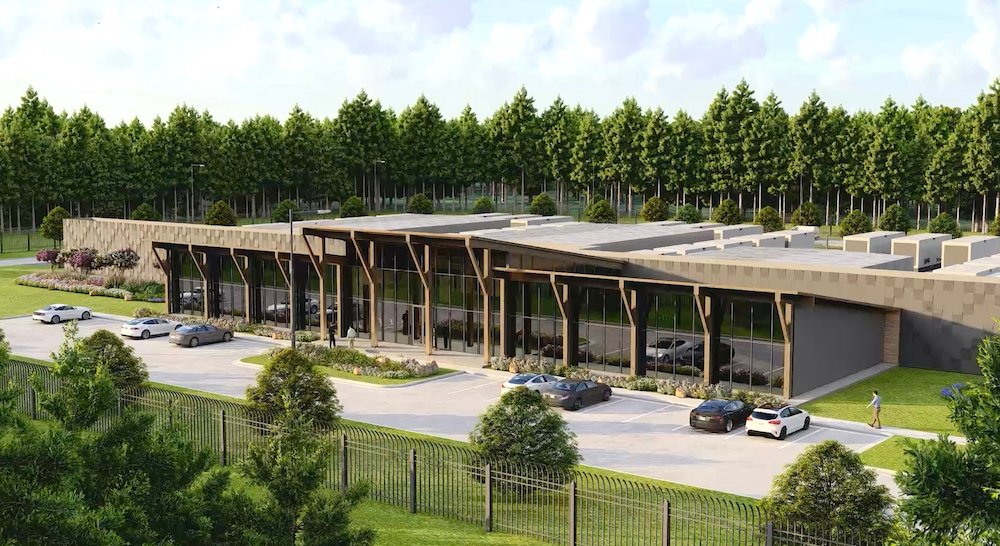
The digital landscape of the Pacific Northwest is undergoing a historic transformation as the Quinault Indian Nation breaks ground on a new subsea cable landing station in Washington—the first of its kind in the state in over 25 years. This ambitious project, spearheaded by the tribe’s technology arm, Toptana Technologies, marks a pivotal shift in how the region connects to the global economy, with Amazon Web Services (AWS) signed on as the anchor tenant.
Bridging the Global Connectivity Gap
What began as an internal initiative to address the persistent digital divide on the Quinault reservation has evolved into a major strategic asset for the state. By constructing a facility designed to host multiple transpacific subsea cables, the tribe is effectively creating a new gateway for international data traffic. The project includes a robust 200-mile fiber backbone that links the coast directly to high-capacity fiber rings in Seattle and Hillsboro, Oregon.
This infrastructure is critical for the modern tech industry, particularly for hyperscalers like AWS. The first system to utilize the station will be the “Sta’O’Nuk” cable—a Quinault term for “lightning serpent.” Expected to be operational by 2029, this cable will provide a massive boost to cloud computing capacity, enabling faster and more reliable data transmission for the latency-sensitive applications that drive today’s AI, streaming, and enterprise cloud services.
Overcoming Decades of Infrastructure Stagnation
Washington has not seen a new subsea cable landing since 1999, a drought in development that Toptana’s leadership aimed to end. Clearing the path for this facility required years of complex logistical, environmental, and regulatory navigation. The Toptana team, supported by strategic partner Assured Communications, managed a multi-year permitting process that involved everything from river crossings to complex forest land conversions.
By building the north-south fiber backbone before the station itself, Toptana has simplified the entry point for global tech giants. Jeff Ogren, Toptana’s general manager, described the offering as an “easy button” for global connectivity, significantly reducing the friction traditionally associated with landing transoceanic cables and integrating them into inland data centers.
Strengthening Sovereignty and Economic Growth
For the Quinault Indian Nation, the landing station represents more than just a tech investment; it is a assertion of sovereignty and a long-term economic engine. By positioning themselves at the center of the “digital highway” connecting North America to Asia, the tribe is securing a stake in the global digital economy rather than remaining a bystander.
The project has benefited from Washington’s SHB 1711, a state sales-and-use tax exemption for major telecommunications infrastructure. While the total cost is estimated to be in the neighborhood of $90 million, the tribe has kept its financial strategy private, opting to drive the development independently.
The five-acre facility, currently under construction in Grays Harbor County, is designed to house four separate subsea cable systems. As the digital economy continues to expand, driven by the insatiable demand for AI processing and cloud infrastructure, the Quinault Nation’s foresight provides a new, vital node in the global grid. Tribal leaders are already looking toward the future, signaling that this is just the beginning of the tribe’s efforts to modernize regional infrastructure and ensure their community remains at the forefront of the technological era.
Disclaimer: This content is auto-generated for informational purposes only.
Source: Read Original News