








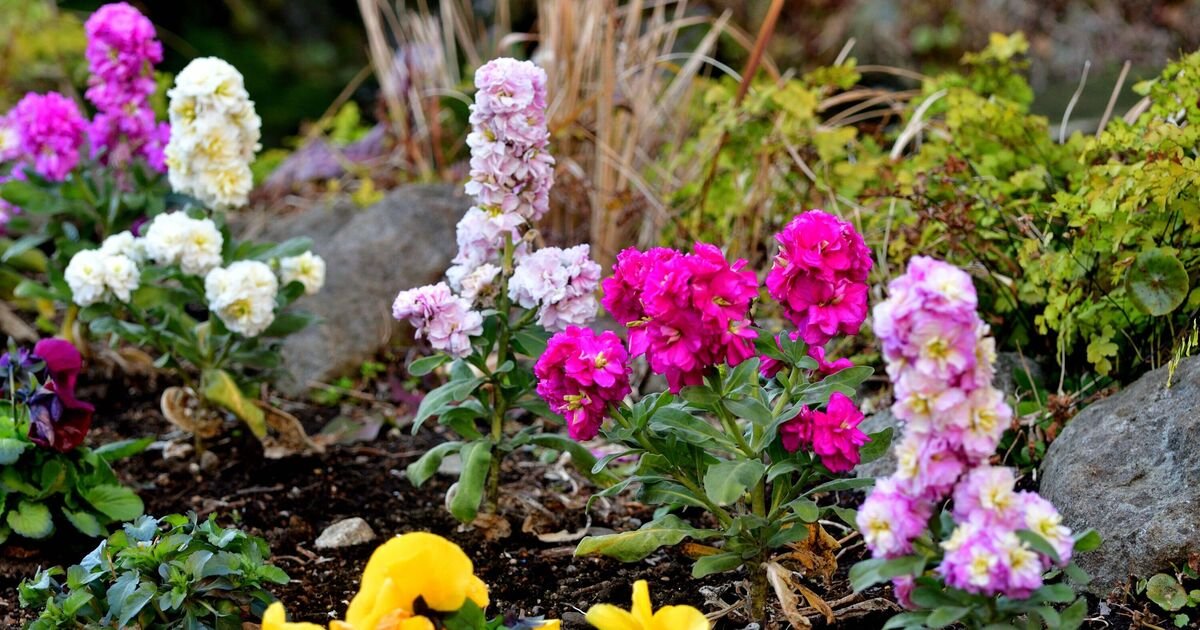
There is a common misconception that once the leaves turn brown and the frost begins to settle, the garden must officially go to sleep until March. We spend all spring and summer nurturing our flowerbeds, only to abandon them the moment the temperature drops. But if you think your outdoor space has to look like a barren wasteland for three months of the year, it is time to rethink your strategy. A garden can—and should—remain a place of beauty, fragrance, and color even in the dead of winter.
Refreshing your outdoor space during the colder months is surprisingly straightforward. By choosing the right varieties that actually prefer the chill, you can keep your pots, window boxes, and borders looking lively while your neighbors are staring at empty patches of dirt.
Embrace the Hardiness of Winter Pansies
When you want instant gratification, winter pansies are your best friends. These cheery little bloomers are incredibly resilient and are famous for their ability to push through frost without breaking a sweat. They are perfect for filling in those gaps in your window boxes or pots that might look a bit tired. The trick to keeping them happy throughout the season is simple: be diligent about pinching off the faded flowers. By removing the old blooms, you signal to the plant that it is time to produce more, ensuring a steady stream of color right through the gloomiest days of the year.
Bring Elegance to Shady Corners
Winter gardening is often about finding the right plant for the right spot, and Hellebores are the queens of the shaded border. Often called the Christmas rose, these sturdy perennials start their show in December and provide a sophisticated look with shades of deep purple, dusty pink, and crisp white. They are a long-term investment; once you get them settled in a shady spot, they will return year after year, growing more impressive each time. If you have an area of the garden that gets neglected because it lacks direct sunlight, Hellebores are the perfect way to transform that space into a seasonal highlight.
Design with Texture and Scent
We often focus entirely on color, but in the winter, fragrance becomes a luxury. There is something truly special about walking out to your front door on a freezing morning and being greeted by the sweet, honeyed scent of Sarcococca, commonly known as sweet box. Like many winter-friendly plants, it thrives in shade, making it a clever choice for positioning near your entrance or along a pathway. Pair this with the structural beauty of a Mahonia, which offers striking yellow flowers against dark, glossy, evergreen leaves, and you have a garden that appeals to the senses rather than just the eyes.
Create Interest with Flowering Shrubs
If you want your garden to feel like a permanent part of your home’s aesthetic, look toward shrubs like the Viburnum bodnantense. This plant is a masterclass in winter beauty, featuring clusters of delicate, fragrant pink flowers that bloom directly on bare, woody branches. It creates a stunning visual contrast that brings a sense of life to an otherwise dormant landscape. These shrubs can start their display as early as November and carry that spirit through until the first signs of spring. Planting a few of these in sunny or partially shaded spots provides the height and structure your garden needs to stay looking intentional and styled all winter long.
Simple Tips for Success
You do not need to be a master gardener to pull this off. The secret to a low-effort, high-reward winter garden is matching the plant to its environmental needs. Before you head to the garden center, take a quick walk around your yard. Note which areas get a blast of afternoon sun and which stay tucked away in the shadow of your house or trees.
Winter-flowering heather, for instance, is a wonderful addition if you have a sunny patch with well-drained soil, while hardy Cyclamen will thrive tucked underneath trees where other flowers might struggle. By working with the natural conditions of your outdoor space rather than fighting against them, you can create a display that flourishes in the cold. It is a rewarding way to stay connected to nature during the winter months, turning your outdoor area into a space you actually want to look at while you sip your morning coffee from the warmth of your kitchen. Don’t let your garden go dormant just because the thermometer says so—give your home the gift of a winter bloom.
Disclaimer: This content is auto-generated for informational purposes only.
Source: Read Original News