




Delhi’s ‘Heavyweight’ Election: Capital Goes to the Dogs in Viral Fattening Contest
New Delhi has temporarily traded its usual political fervor for a more lighthearted, albeit equally intense, democratic exercise. On Wednesday, the city concludes its highly publicized “Fat Dogs of Delhi” contest, a digital pageant that has captivated nearly 100,000 Instagram followers. Much like the famous “Fat Bear Week” in Alaska, this competition has turned the city’s adoration for its rotund canine companions into a virtual showdown of epic, wobbling proportions.
A Contest of Serious Pawlitics
The tournament, which kicked off on September 24, initially featured a bracket of 64 contenders. Over the past few weeks, the competition has devolved into what local media have cheekily dubbed “serious pawlitics.” Participants have seen rival campaigns, hand-drawn posters, and even murmurings of paid publicity scandals as owners lobby for their pets to be crowned the capital’s fattest hound.
Organizers, who have opted to remain anonymous, admitted that the sheer scale of the engagement caught them off guard. “Delhi’s heavyweight election gets ruff,” noted the Hindustan Times, reflecting the playful tone that has dominated social media feeds across the capital.
The final round, however, has been marred by a tinge of melancholy. The frontrunner, a tubby brown hound affectionately named Gola—or “Round”—was reported to have passed away, casting a shadow over the festivities. Despite his passing, Gola remains on the ballot, facing off against the formidable Googoo, a massive brown-and-white dog who has gained a dedicated following of his own. Organizers have confirmed that for the final voting round, they are accepting both online tallies and in-person votes to ensure the election remains as inclusive as possible.
Beyond the Belly Rubs
While the contest is rooted in humor, it serves a secondary, more poignant purpose. The organizers have leveraged the account’s massive reach to highlight the efforts of various animal welfare charities. These organizations work tirelessly to provide a dignified existence for the thousands of stray dogs that roam Delhi’s streets.
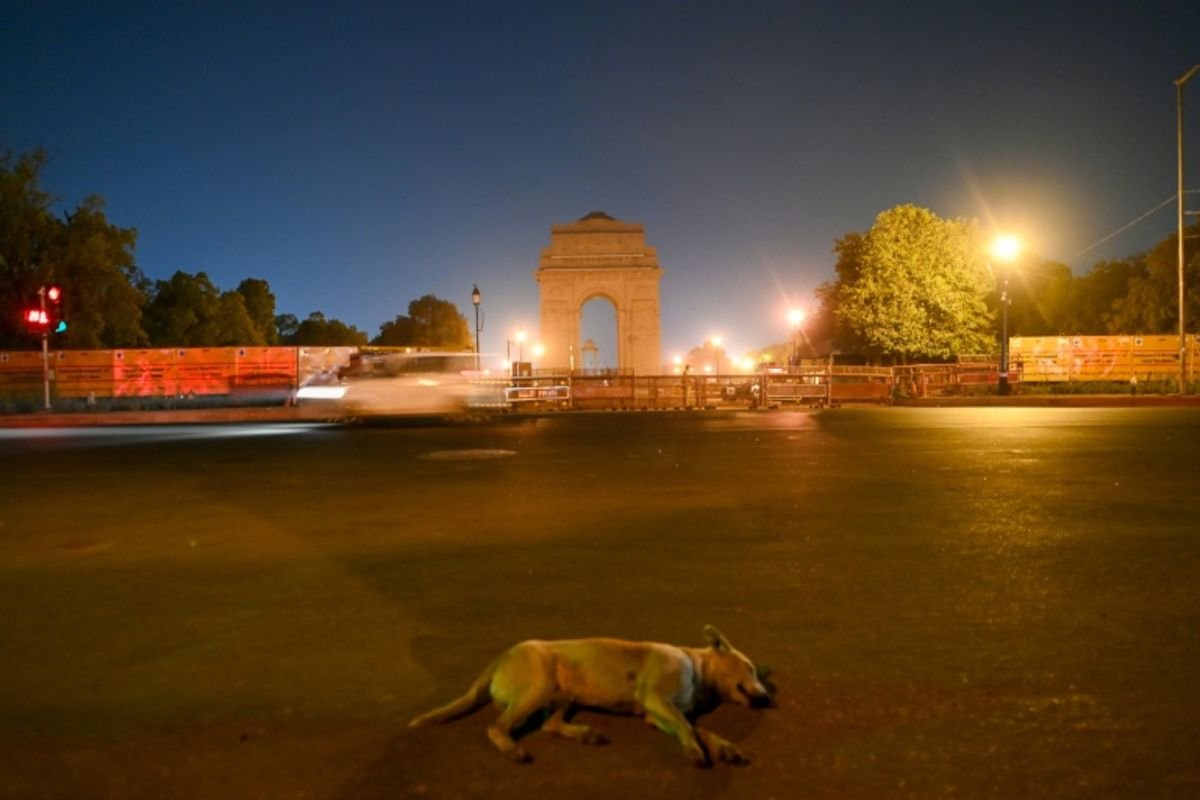
The reality for Delhi’s canine population is complex. In many affluent, middle-class neighborhoods, stray dogs are treated as community mascots, often fed by local residents and even outfitted with winter jackets to survive the city’s chilly nights. However, this benevolence exists alongside a more contentious reality: frequent reports of dog attacks and the failure of long-term population control.
Past attempts at large-scale solutions, such as the Supreme Court’s order for a mass roundup, have stalled due to feasibility concerns and the significant legal hurdles surrounding animal welfare. With inadequate sterilization programs and strict limitations on culling, the struggle to manage the city’s stray population remains a constant, often polarizing, urban issue.
A Contrast in Ballots
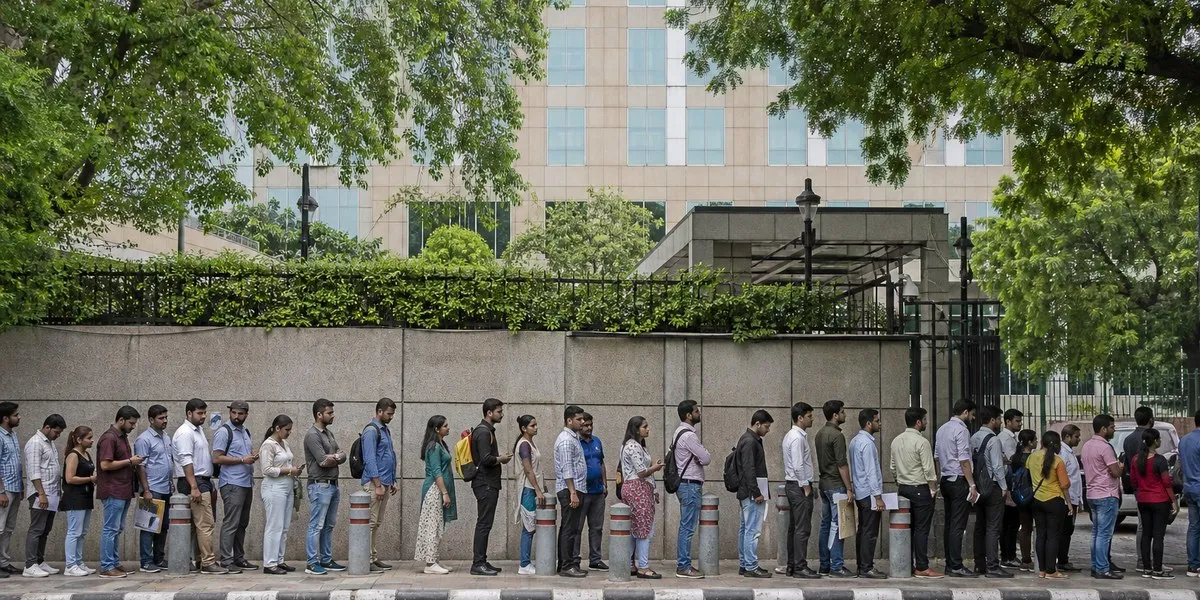
The lighthearted nature of the dog contest offers an ironic juxtaposition to the serious state of Indian electoral politics. As Delhi residents debate the waistlines of their local strays, the Election Commission of India (ECI) finds itself under a microscope.
The constitutional body, historically viewed as the bastion of the world’s largest democratic process, is currently facing intense scrutiny following investigative reports questioning the integrity of recent voter-roll revisions. The ECI has vehemently denied all allegations, maintaining that its internal decisions were unanimous and fully compliant with the law.
As the capital turns its attention to the final tally of the “Fat Dogs of Delhi” on Wednesday, it serves as a stark reminder of the city’s duality—a place where the trivial and the monumental often share the same front page. Whether it is a vote for the next local top dog or a debate over the sanctity of national institutions, Delhi remains a city that never stops voting.
Disclaimer: This content is auto-generated for informational purposes only.
Source: Read Original News