




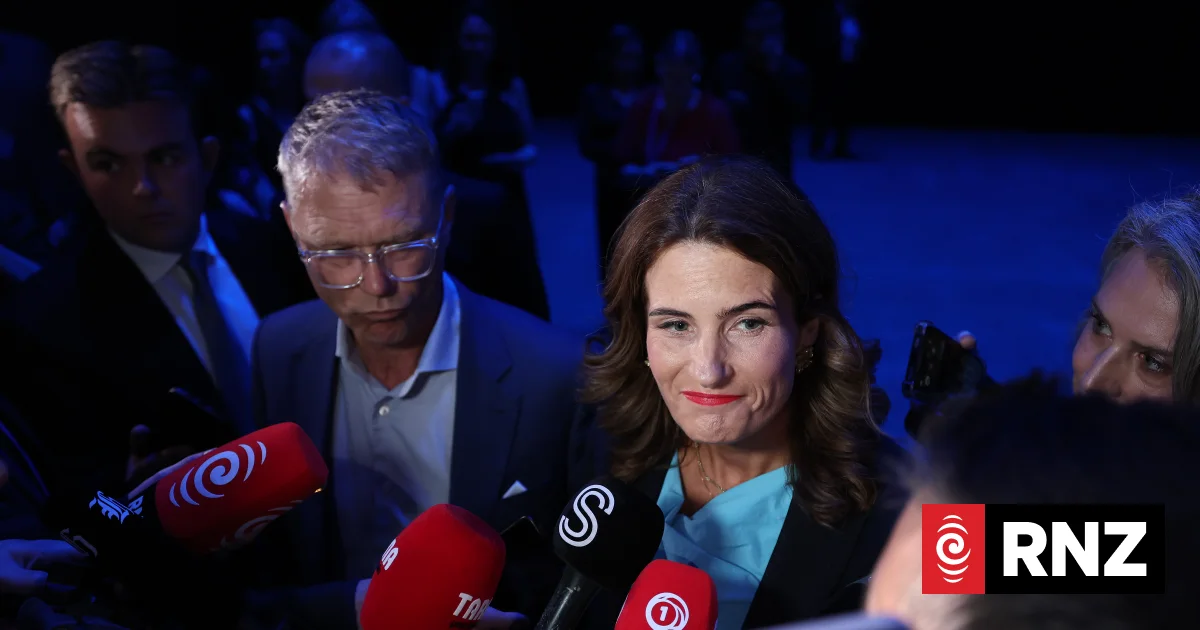
New Zealand’s political landscape faces a seismic shift tonight as preliminary election results signal the potential departure of several high-ranking National Party cabinet ministers and veterans. With the party vote collapsing to under 30 percent—down from 38 percent in 2023—senior figures who opted to run as list-only candidates are now at risk of being completely shut out of Parliament.
Under New Zealand’s MMP system, the drastic drop in the party vote means that unless these candidates secure an electorate seat, they will not return to the House. The situation is particularly dire for Finance Minister Nicola Willis, Attorney-General Chris Bishop, Minister of Justice Paul Goldsmith, and Speaker of the House Gerry Brownlee.
Paul Goldsmith, ranked sixth on the National list, appears to have failed in his bid to unseat ACT Party leader David Seymour in the Epsom electorate. With over 70 percent of the vote counted, Seymour leads with 37.1 percent to Goldsmith’s 30.5 percent. Speaking to 1 News shortly before 11pm, a dejected Goldsmith admitted that while he had closed the gap, it was “not good enough.”
“We gave it a good shot, but it is the nature of MMP,” Goldsmith said, while maintaining hope that the party might still be in a position to form a government. He pointed to “strategic voting” and an “agitated” electorate as significant hurdles for his party’s campaign.
The uncertainty is just as palpable for other key figures. Chris Bishop, ranked third on the party list, is locked in an intense battle for the Hutt South electorate. As of late evening, he trailed Labour’s Ginny Andersen by approximately 1,000 votes with 90 percent of the count complete. His parliamentary future, and his role in the potential coalition, now rests on the official count, which is weeks away.
Perhaps most symbolic of this turbulent night is the likely exit of Gerry Brownlee, the longest continuously serving member of Parliament. Ranked ninth on the list, the current Speaker of the House acknowledged to reporters that he would not be returning to his seat. Brownlee cited the impact of aggressive vote-splitting campaigns as a major factor in the party’s poor showing. Despite the personal blow, he struck a reflective tone, suggesting he had already been eyeing retirement.
The math remains fluid as the nation awaits the final tally. An “overhang” is a distinct possibility—a mechanism where Parliament expands to accommodate a party winning more electorate seats than its proportional party vote entitlement. However, even with an overhang, the low party vote means the path for these high-profile list candidates remains blocked. As the night continues, the National Party’s core leadership team remains in limbo, facing the prospect of a dramatic and unexpected exodus from the halls of power.
Disclaimer: This content is auto-generated for informational purposes only.
Source: Read Original News