









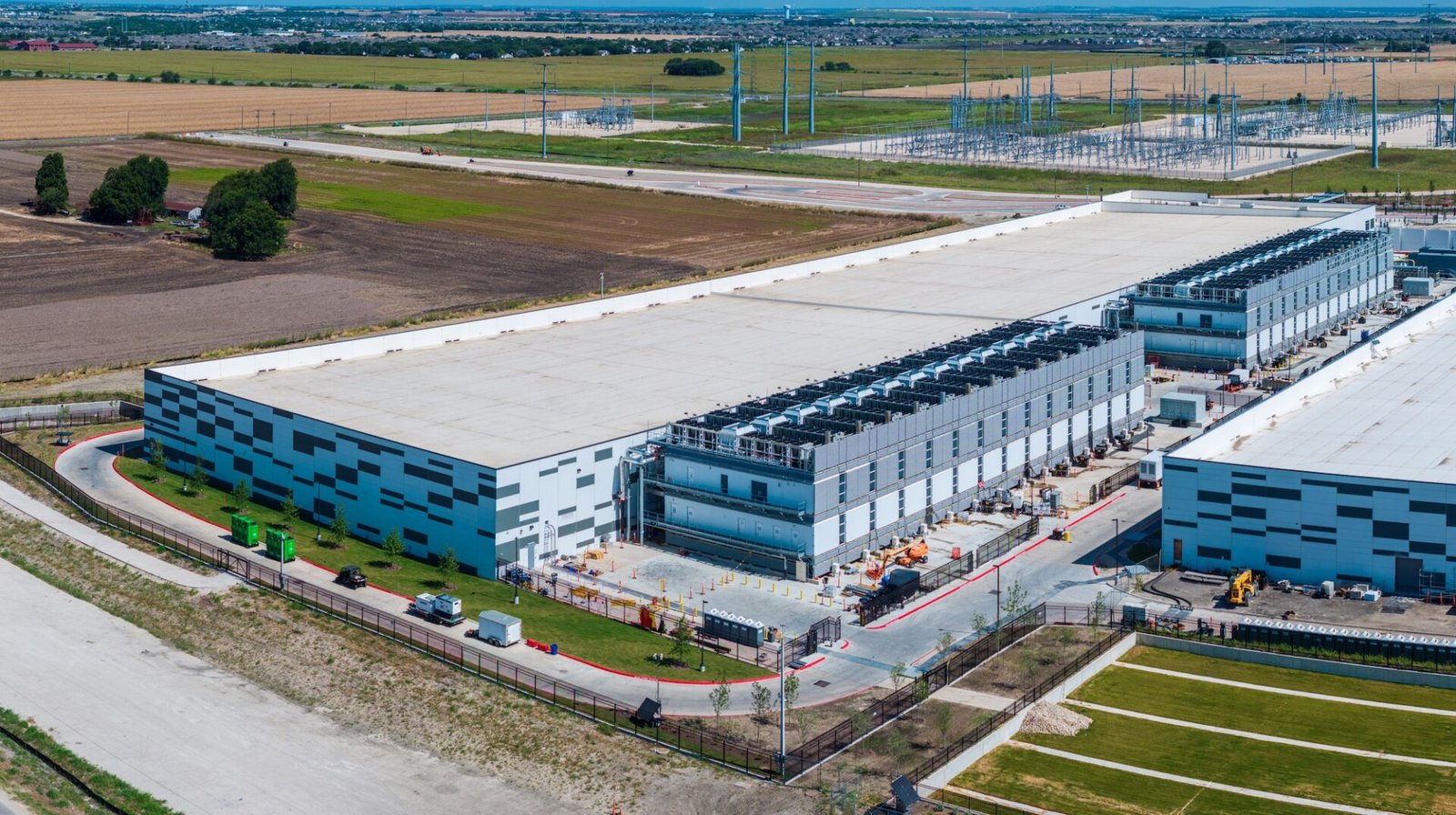
As Canada positions itself to become a global leader in artificial intelligence and cloud computing, the federal government has unveiled a new national framework designed to curb the environmental and economic footprints of the massive facilities that power these technologies.
Minister of Artificial Intelligence and Digital Innovation, Evan Solomon, alongside Federation of Canadian Municipalities (FCM) President Tim Tierney, recently introduced “Canada’s Responsible Data Centre Development Principles.” The framework seeks to reconcile the country’s growing demand for high-performance computing with the urgent need to protect local resources, municipal budgets, and the environment.
Data centres—the physical backbone of the internet, streaming services, and AI—are notoriously resource-intensive. Beyond their high electricity consumption, which can strain local grids and lead to significant greenhouse gas emissions depending on the energy mix, these facilities require immense amounts of water for cooling. They also contribute to environmental degradation through construction-related habitat disruption, the generation of electronic waste, and localized noise and air pollution from backup diesel generators.
Recognizing that these facilities can exert pressure on electricity rates for everyday consumers and challenge the infrastructure capacity of local governments, the new federal principles establish five clear, national expectations for developers:
- Lasting local benefits: Projects must provide tangible, long-term advantages to the communities that host them.
- Ratepayer protection: Data centre demand must not shift electricity costs onto other residential or commercial consumers.
- Environmental stewardship: Developers are required to minimize water usage and reduce the overall environmental impact of their cooling and power systems.
- Transparency: Operators must be open regarding their site-specific impacts.
- Strategic value: Projects must demonstrate a clear contribution to Canada’s national digital and economic goals.
The initiative has already garnered significant industry support. A broad coalition of technology and infrastructure giants—including Amazon Web Services (AWS), Google, Microsoft, Meta, and major Canadian telecommunications firms like Bell and TELUS—have signed on as inaugural partners. By committing to these principles, these companies are signaling a shift toward more sustainable digital infrastructure growth.
“Canada is building the digital infrastructure we need to lead in the age of AI, grow our economy and strengthen our sovereignty,” Minister Solomon stated. “But how we build matters. Data centres must protect ratepayers, respect water and energy resources, and create lasting benefits for the communities that host them.”
For municipalities, the framework provides a much-needed baseline for evaluating complex, large-scale projects. As demand for AI-ready data centres grows, local governments are frequently the primary arbiters of development approvals. The new principles are designed to act as a supplement to existing provincial and Indigenous regulatory processes, giving local leaders a standardized toolset to assess how a project aligns with broader national and community interests.
“Municipal leaders need clear and complete information to make informed decisions,” said FCM President Tim Tierney. “Today’s announcement is an important first step in helping municipalities better understand and assess projects being proposed in their regions.”
By formalizing these expectations, the Government of Canada hopes to foster an environment where rapid technological advancement does not come at the expense of climate targets or the cost of living for Canadians. As the industry begins to implement these standards, the focus will now shift to how these high-level principles are enforced at the local level and whether they can successfully mitigate the growing pressures of the digital age.
Disclaimer: This content is auto-generated for informational purposes only.
Source: Read Original News