






Powering Sovereignty: Why Electrification is the Key to Europe’s Transport Future
As Europe navigates the complexities of a post-2030 energy landscape, it is becoming increasingly clear that simply increasing the share of renewables in transport is insufficient. To truly protect the continent from volatile global markets and recurring energy crises, the European Union must fundamentally rethink its dependency on imported fuels.
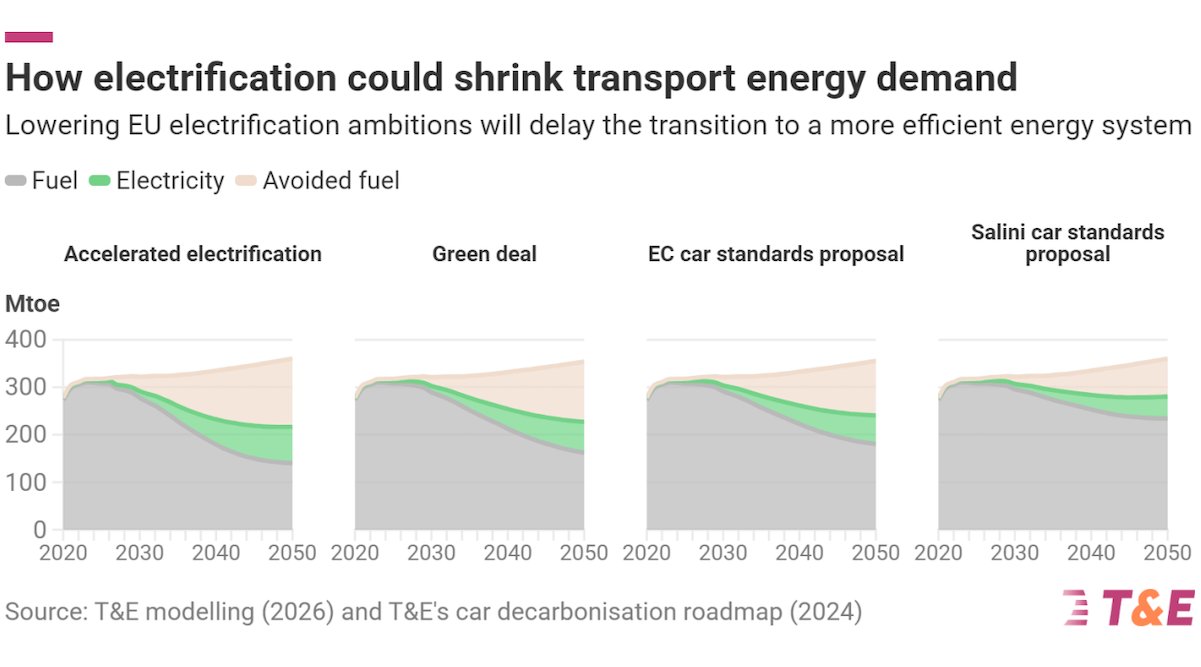
The most effective strategy for achieving energy independence lies in direct electrification. By prioritizing the shift to electric vehicles (EVs), the EU can drastically reduce its total energy demand, bolster its economic competitiveness, and secure a more stable energy future.
A Paradigm Shift Toward Electrification
The recent energy crisis has served as a catalyst for a new approach within the EU. Initiatives such as AccelerateEU and the Electrification Action Plan now recognize that electrification is more than an emissions-reduction tool; it is a pillar of economic security.
Every electric car, van, and truck introduced to the road reduces the demand for expensive, imported fossil fuels. When this transition is paired with the rise of domestic renewable electricity production, it creates a direct pathway to powering sovereignty across the European transport sector.
Avoiding the Trap of Alternative Fuels
There is a temptation to rely on alternative liquid fuels—such as advanced biofuels and e-fuels—to meet renewable energy targets. However, experts warn that weakening current CO2 standards for vehicles would only serve to slow the adoption of EVs. This would force a continued reliance on high-cost, imported energy supplies, leaving Europe exposed to the same supply shocks that have crippled its economy in the past.
For the post-2030 Renewable Energy Framework to be effective, policymakers must move beyond headline targets. A high target for renewable energy in transport is meaningless if it is achieved through the unsustainable import of biofuels rather than through the systemic adoption of home-grown electricity.
A Roadmap for the Decade Ahead
To transform the EU’s energy union into a framework for true sovereignty, the European Commission must prioritize several key policy shifts:
- Prioritize Direct Electrification: Renewable electricity should account for at least 50% of the total Renewable Energy in Transport (RES-T) target by 2040.
- Strengthen CO2 Standards: The EU must defend its existing vehicle emission standards, rejecting loopholes that would allow biofuels or e-fuels to bypass the necessary transition to direct electric power.
- Establish Import Reduction Targets: A firm KPI should be established to reduce transport fossil fuel import dependency from 93% in 2025 to below 75% by 2040.
- Modernize Crediting Mechanisms: Mandatory crediting for renewable electricity should be expanded to cover everything from public and private EV charging to shore-side power for ships and electric aircraft.
- Leverage PPAs: Charging infrastructure operators should be allowed to claim full renewable-electricity use when connected directly to renewable generation through Power Purchase Agreements (PPAs), ensuring that the greenest energy is prioritized.
- Constrain Biofuel Use: The framework must acknowledge the limited availability of sustainable biofuels, adhering to the “cascading-use” principle to prevent imports that carry high risks of fraud or environmental damage.
Conclusion: An Anchored Energy Future
The path to 2040 requires a shift toward efficiency and domestic production. By making electrification the cornerstone of its transport policy, the EU can effectively detach itself from the volatility of global oil markets.
Ultimately, the goal of the post-2030 Renewable Energy Framework should not be just to change the type of fuel used, but to build an energy-independent transport ecosystem. Through ambitious electrification, Europe can ensure that its future mobility is cleaner, cheaper, and entirely under its own control.
For more in-depth analysis on this transition, you can download the full briefing provided by Transport & Environment (T&E).