





Government Pushes for Enhanced Localisation and Cost Competitiveness in India’s EV Sector
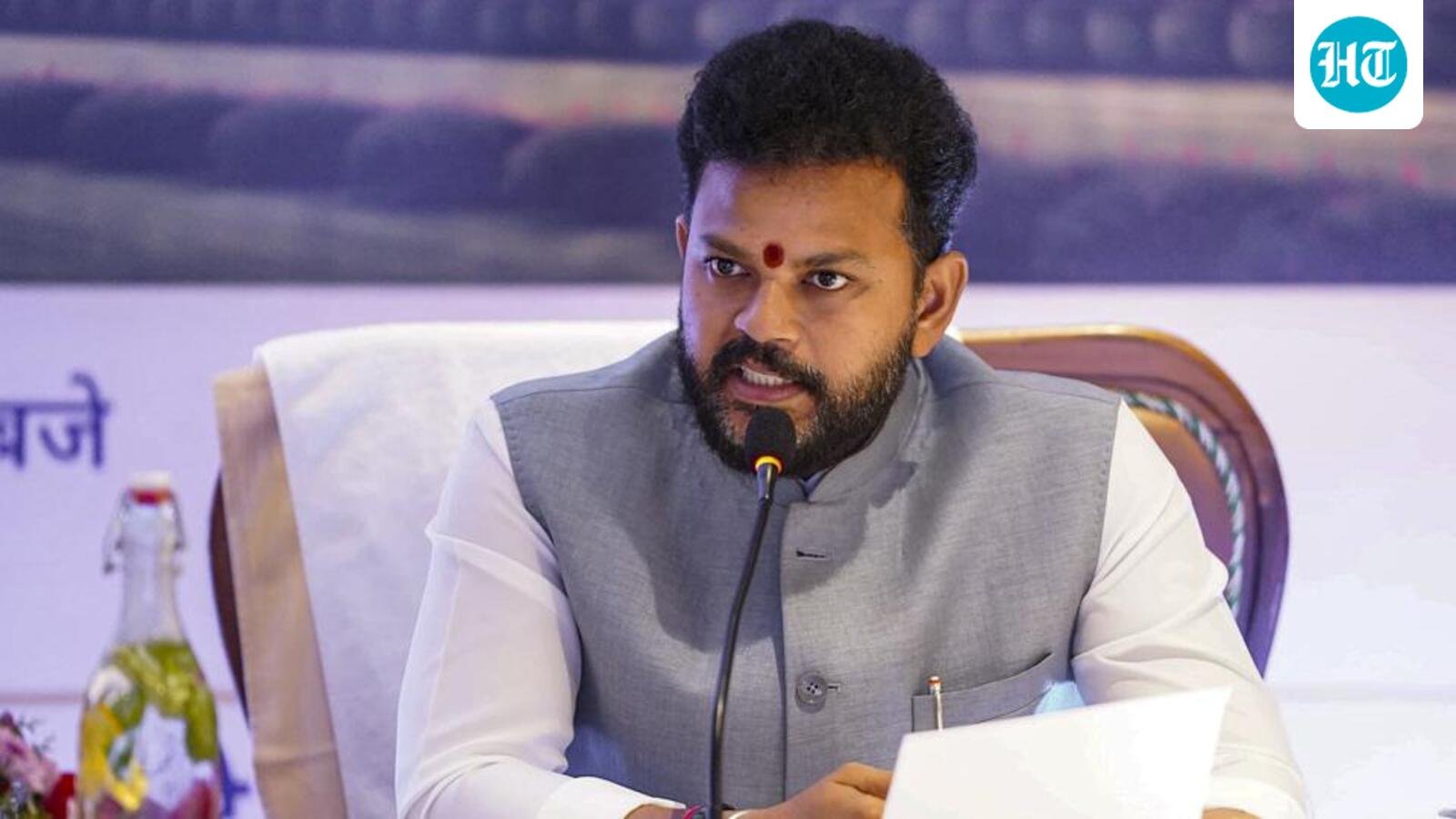
Union Minister for Heavy Industries and Steel, H.D. Kumaraswamy, has issued a clarion call for the Indian electric vehicle (EV) industry to bolster its manufacturing prowess and improve cost efficiency. Speaking at a strategic consultation held at Vigyan Bhawan, the Minister emphasized that achieving an economically sustainable transition to clean mobility requires a structural shift toward deeper localisation and domestic production capabilities.
The event, convened by the Ministry of Heavy Industries (MHI), served as a platform for policymakers to engage directly with EV users and distributors. The goal was to gather grassroots feedback on vehicle performance and the practical challenges of navigating the nation’s rapidly evolving mobility landscape.
Fueling the Transition: The PM E-DRIVE Initiative
Central to the government’s efforts is the PM Electric Drive Revolution in Innovative Vehicle Enhancement (PM E-DRIVE) scheme. Launched with a robust budget of INR 119 billion, the programme has already acted as a catalyst for the adoption of over 2.32 million electric vehicles. By July 1, the government had already disbursed over INR 22 billion in incentives, demonstrating its commitment to de-risking the transition for both manufacturers and consumers.
The scheme’s scope is comprehensive, allocating significant funding—INR 43.91 billion for electric buses, INR 20 billion for charging infrastructure, and INR 5 billion for electric trucks—to ensure that the transition spans public transport and commercial logistics, rather than remaining limited to private passenger vehicles.
Addressing the Infrastructure Gap
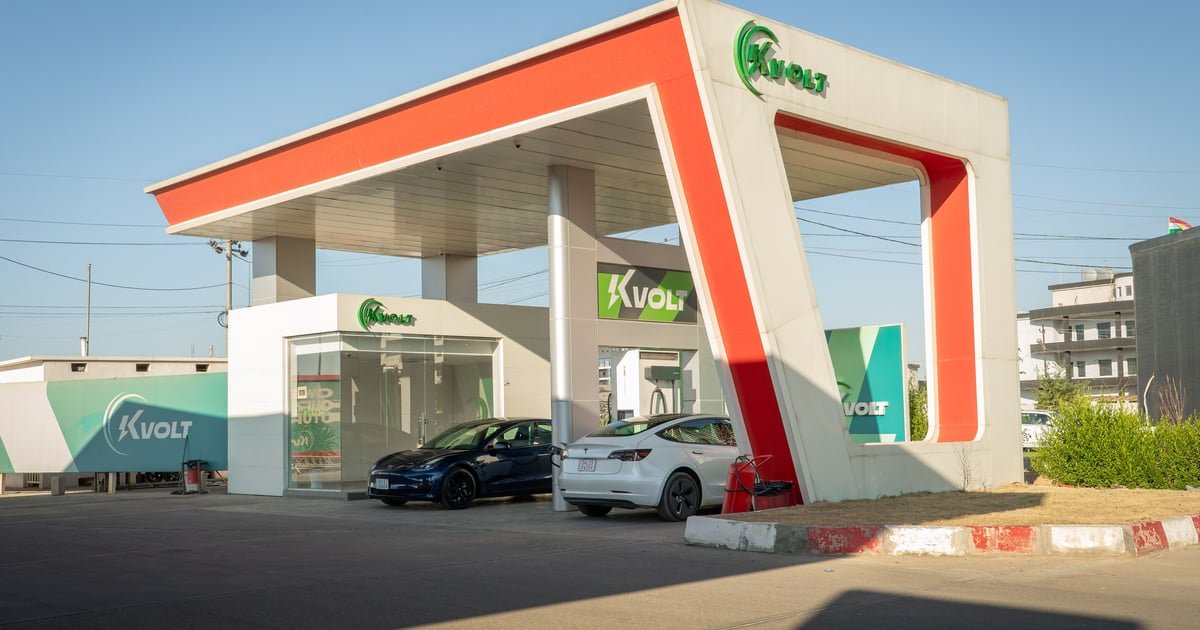
While the national charging network is expanding, industry experts and reports from bodies like the Institute for Energy Economics and Financial Analysis (IEEFA) have flagged ongoing concerns. Issues such as charger reliability (uptime), interoperability between different charging networks, and the high cost of public charging remain significant barriers for many users.
To tackle these hurdles, the government has unveiled a massive rollout scheme aimed at installing over 72,000 public chargepoints. These initiatives are designed to provide the necessary upstream infrastructure to support the surge in EV registrations, which soared by 43% year-on-year in the first half of 2026.
Building a Self-Reliant Ecosystem
Dr. Hanif Qureshi, Additional Secretary at MHI, underscored that the path to a resilient automotive sector lies in “Atmanirbhar” (self-reliant) manufacturing. The government is utilizing the Production Linked Incentive (PLI) schemes for both automobiles and advanced chemistry cell (ACC) batteries to localise the production of critical components.
The focus extends beyond the chassis; India is actively strengthening its supply chain for essential inputs such as rare-earth permanent magnets, power electronics, and battery cells. According to Heavy Industries Secretary Kamran Rizvi, this strategy is not just about domestic consumption but about positioning India as a formidable global player.
“We must focus on cost competitiveness, technology, and global capabilities,” Rizvi noted. By fostering an environment where domestic manufacturers can achieve scale and technological maturity, the government aims to lower the barrier to entry for the average consumer.
As India marches toward its “Viksit Bharat@2047” objective, the emphasis remains on creating a seamless, accessible, and globally competitive ecosystem. Through a blend of fiscal incentives and a push for indigenous innovation, the Ministry of Heavy Industries is betting that India can move from being a nascent EV market to a global hub for electric mobility, ensuring that the shift to green energy is as affordable as it is inevitable.
Disclaimer: This content is auto-generated for informational purposes only.
Source: Read Original News