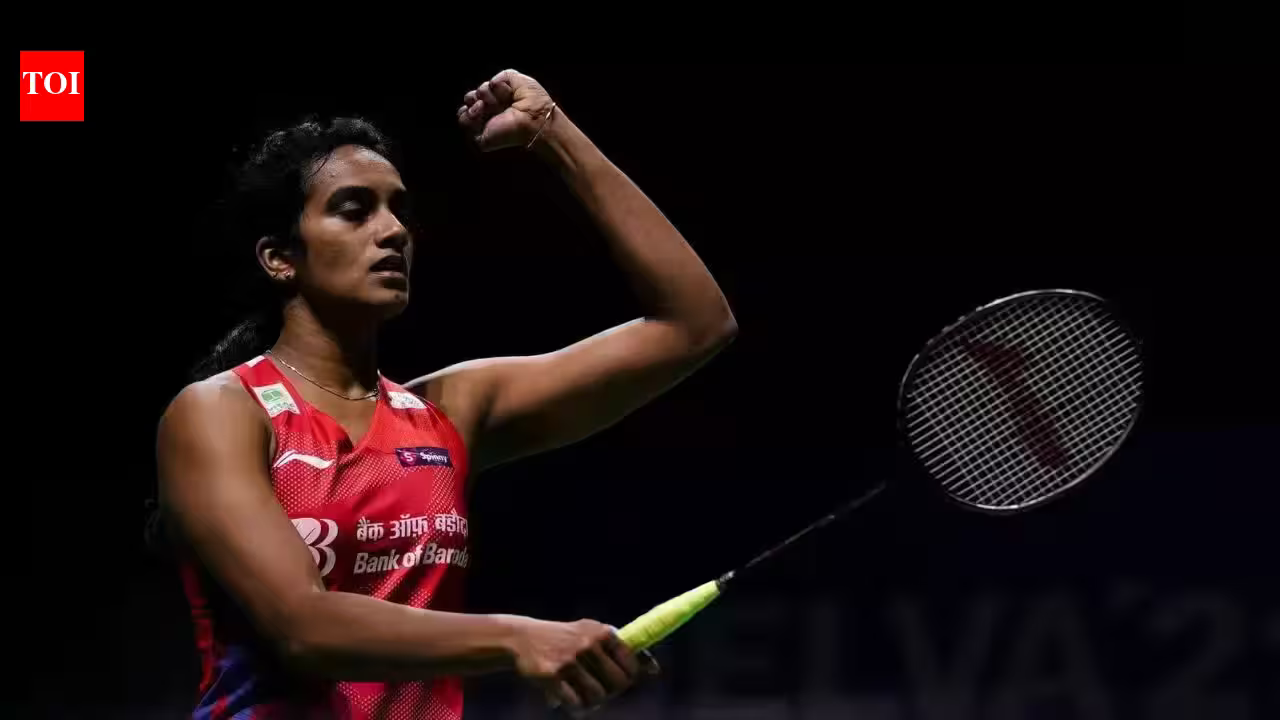








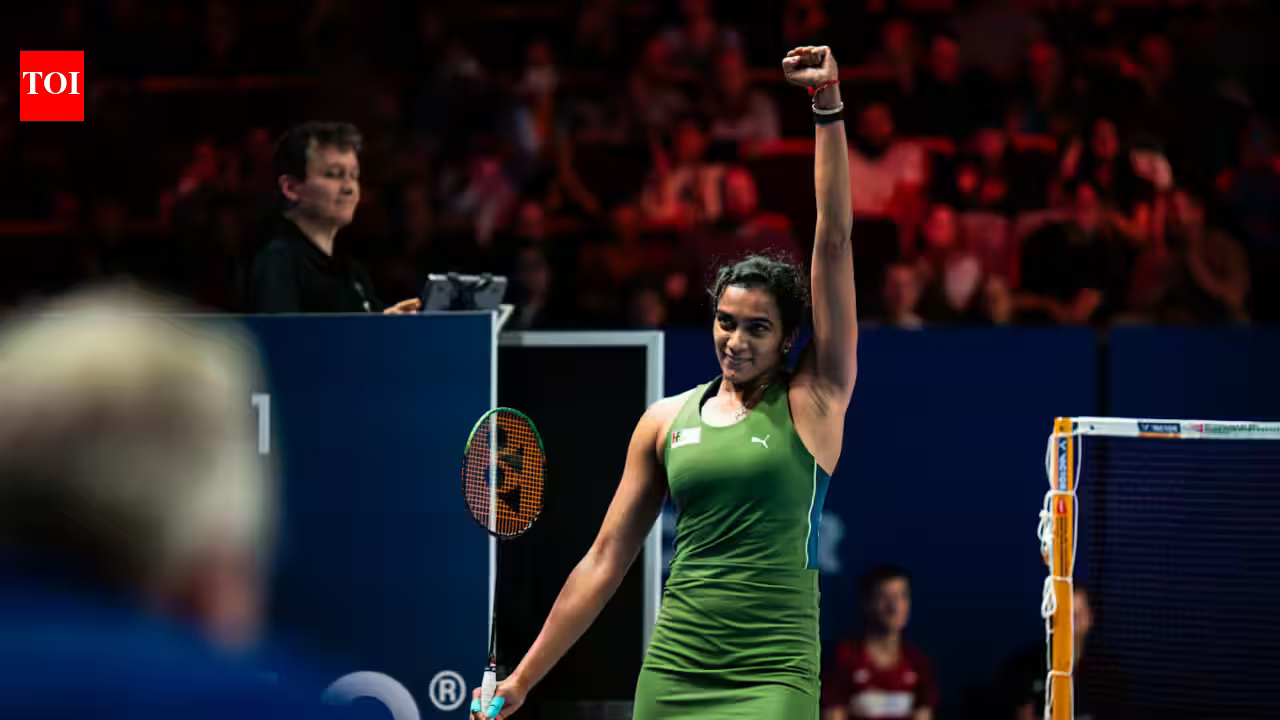
BADMINTON superstar PV Sindhu, once the solitary torchbearer for Indian women’s singles on the global stage, is witnessing a transformative shift in the sport’s landscape. As the 31-year-old veteran climbs back into the world’s top six rankings, she is no longer the lone ranger. A vibrant, aggressive, and highly talented wave of younger Indian shuttlers is crashing onto the international scene, signaling a new era of depth for the country.
During a virtual media interaction this Wednesday, Sindhu expressed genuine delight at the emergence of rising stars like Tanvi Sharma, Anmol Kharb, Unnati Hooda, Devika Sihag, and Ashmita Chaliha. For Sindhu, who remembers a time when the pipeline for talent seemed alarmingly thin, this collective rise is a breath of fresh air.
“Initially, there was a gap, and we did not know who the juniors coming through would be,” Sindhu remarked. “But now, I am really happy to see so many youngsters doing well. Having fellow athletes coming up, representing the country, and finding success—what else do we need?”
The Rising Tide: A Season of Breakthroughs
The statistical evidence of this “new wave” is undeniable. The 2026 season has been defined by milestone victories for the next generation. Seventeen-year-old Tanvi Sharma etched her name in the history books this August, becoming the youngest champion in Taipei Open history and securing India’s first women’s singles title at the tournament since Saina Nehwal in 2008.
Similarly, 27-year-old Ashmita Chaliha solidified her arrival by clinching a maiden BWF World Tour title at the Korea Masters, showcasing grit by recovering from a game down to defeat China’s Han Qianxi. Her subsequent victory over former world champion Akane Yamaguchi at the French Open—leading to a career-first Super 750 quarterfinal—highlights a newfound ability to topple the world’s elite. Meanwhile, Unnati Hooda, now ranked a career-best world No. 19, and Anmol Kharb, with her impressive run in the Turkiye International Challenge, have further bolstered India’s presence in the upper echelons of the sport.
HYLO Open Title Takes Sindhu Back to World No. 6
While the youth are making headlines, Sindhu has enjoyed a renaissance of her own. Her recent victory at the HYLO Open in Germany—secured in a commanding 39-minute straight-games win over Denmark’s Line Højmark Kjærsfeldt—marked her second BWF World Tour title of 2026, following her triumph in Japan.
This campaign, completed without dropping a single game, propelled the former world champion back to world No. 6, a position she had not occupied since 2022. Despite the climb, the Olympic medalist remains characteristically hungry. “Touchwood, I am happy that I am back again,” she said. “But there is a lot more space for improvement. I am getting there, and I know that I can still do it. Why not get back to the very top again?”
’31 is the New 21′: Managing the Modern Body
Sindhu’s return to form is no accident; it is the result of a deliberate, data-driven approach to her physical management. Working closely with strength and conditioning coach Wayne Lombard and her support team, Sindhu has abandoned the “more is better” mentality in favor of strategic tournament scheduling.
“You are not 20 anymore,” Sindhu admitted, candidly addressing the realities of being a 31-year-old athlete in a high-intensity sport. “You cannot keep playing tournaments back-to-back. To give 100 percent, you have to ensure you are physically and mentally at your best. If you are not, you step back, recover, and come back stronger.”
This philosophy led her to skip the Korea Open after a grueling stretch, prioritizing long-term durability over short-term participation. She emphasizes that playing at 50 percent capacity only serves to erode confidence and invite unnecessary defeats, a trap she is determined to avoid as she eyes the twilight of her career.
Tactical Evolution and the 15-Point Shift
Beyond fitness, Sindhu is locked in a tactical chess match with the world’s best, particularly South Korean powerhouse An Se-young. Reflecting on their recent clash at the French Open, where she won the opening game only to see the match slip away, Sindhu identified lapses in concentration and unforced errors as the primary culprits. She remains confident that adjustments will be made before their next encounter.
The sport itself is also on the precipice of change. With the impending shift to a 15-point scoring format, the game is set to become even more unforgiving. Sindhu views the change as a test of mental acuity.
“In the 21-point system, there was still time to recover from a slow start,” she explained. “But now, once those five or six points go, half the game is effectively over. You have to be alert from the very first serve. You cannot give away easy points.”
As she pivots her focus toward the season-ending BWF World Tour Finals, Sindhu stands as both a competitor and a mentor. She is not just fighting to reclaim her status at the pinnacle of the rankings; she is witnessing—and welcoming—the rise of a new generation ready to share the weight of India’s badminton ambitions. For Sindhu, the journey continues, and if the current season is any indication, the best may yet be to come.
Disclaimer: This content is auto-generated for informational purposes only.
Source: Read Original News