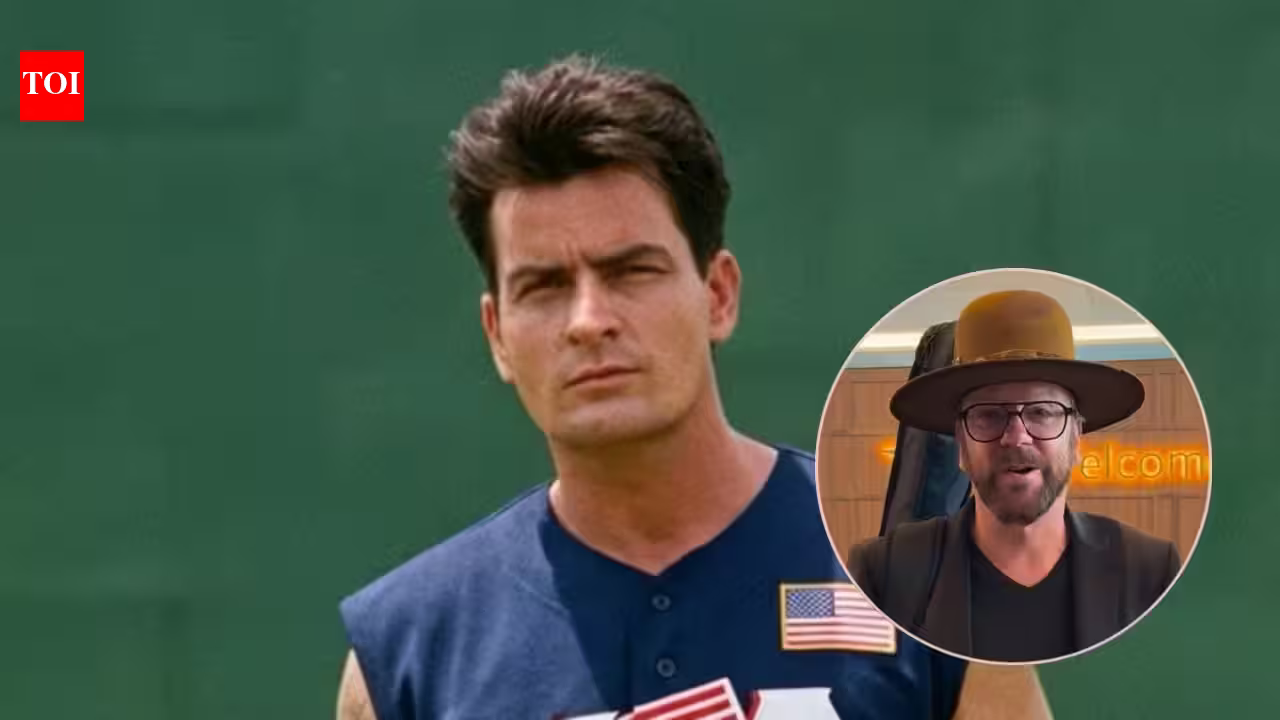









The haunting, raspy vocals that have defined Ray LaMontagne’s career were suddenly silenced in the most alarming way possible this week, as the folk-rock icon suffered a terrifying medical emergency on the hallowed stage of Nashville’s Ryman Auditorium.
For the hundreds of fans in attendance, the evening—meant to be a celebratory trek through the nostalgia of his breakthrough debut—took a jarring turn that served as a stark reminder of the physical toll that life on the road extracts from even the most seasoned performers. LaMontagne, currently in the midst of his “Trouble 20th Anniversary Tour,” was mid-set, pouring his soul into the 2004 classic “Jolene,” when the music came to a sudden, heart-stopping halt.
A Staged Falter That Chilled the Ryman
The Ryman Auditorium, known as the “Mother Church of Country Music,” is a venue that demands reverence, and LaMontagne has always commanded it with his understated, bluesy presence. However, as the final notes of “Jolene” approached, the atmosphere shifted from intimate to frantic.
Footage circulating across social media platforms shows the 53-year-old singer appearing visibly distressed. He struggled to steady himself, reaching for the microphone stand as if tethering himself to the stage before eventually succumbing to a collapse, falling backward. The immediate silence that followed in the auditorium was heavy, replaced almost instantly by the collective gasp of an audience realizing they weren’t witnessing a dramatic artistic choice, but a genuine health crisis.
The Road to Recovery: Heat and Dehydration
In the digital age, news of such events travels at the speed of a refresh button, and within hours, social media was awash with speculation and concern. Recognizing the need to quell the rising panic among his loyal fanbase, LaMontagne’s management team acted swiftly.
Through his Instagram Stories, the team provided a reassuring, if brief, update: “Thank you to everyone who came out to tonight’s show at the Ryman. Ray is in good hands with the local EMS and is being treated for heat-related dehydration; he is doing well now and is grateful for everyone’s understanding.”
While the post has since been removed—a common practice for temporary status updates—the message served its purpose. LaMontagne, a man who has famously shied away from the spotlight for the sake of his art, found himself at the center of a public health scare, highlighting the grueling reality of touring schedules, stage lights, and the relentless humidity of late-season Southern weather.
Twenty Years of “Trouble” and Triumph
The irony of the collapse occurring during his 20th Anniversary tour is not lost on his longtime supporters. Trouble, the album that catapulted the Nashua, New Hampshire native into the spotlight, is a masterclass in raw, unfiltered folk music. It was a project born from a radical life change; LaMontagne had been working in a factory until a chance encounter with Stephen Stills’ “Treetop Flyer” pushed him to trade in the industrial life for the unpredictable, often punishing life of a singer-songwriter.
Over the last two decades, LaMontagne has carefully curated an image of the “recluse-by-choice,” focusing on his craft rather than the tabloid machinery that often accompanies artists of his stature. His Grammy-winning career, punctuated by hits like “You Are The Best Thing,” has been defined by consistency and soul. This tour was intended to honor that legacy, tracing the threads from his humble beginnings to his status as one of America’s most respected folk voices.
The Physical Toll of the Touring Machine
LaMontagne’s incident is a sobering reminder that even legends are bound by human physiology. Concert stages, with their high-intensity lighting rigs and enclosed environments, can create micro-climates that are far more brutal than they appear from the front row.
For a performer, the act of singing—which requires immense lung capacity, breath control, and core engagement—is an athletic endeavor. When you layer that on top of the travel fatigue, disrupted sleep patterns, and the mental weight of performing high-emotion sets night after night, the body’s warning signs can often be ignored until it is too late. LaMontagne’s collapse was a visceral example of what happens when those signs are pushed past their breaking point.
What Lies Ahead for the Tour?
As of now, the question on every fan’s mind is what happens to the remainder of the “Trouble 20th Anniversary Tour.” With scheduled stops remaining in major hubs like Philadelphia, Detroit, Boston, Portland, and New York City, the itinerary is rigorous.
The tour is slated to conclude on October 3, and while no official statement has been released regarding cancellations or postponements beyond the immediate aftermath of the Nashville incident, it is expected that LaMontagne’s team will prioritize his recovery over the schedule. Fans, who have waited years to hear these classic tracks performed in a retrospective format, have largely expressed a “health-first” sentiment on social media, prioritizing the longevity of the artist over the completion of the tour.
Ray LaMontagne has always been a songwriter who understands the weight of a moment. In this instance, the moment was a frightening one, but it has also served to reinforce the deep bond he shares with his audience. As he takes the necessary time to recover from the strain of his Nashville performance, the music world waits with bated breath—not for the next show, but for the assurance that one of its most authentic voices is back on his feet and ready to sing again. For now, the “Trouble” that started it all twenty years ago remains, but for a different reason entirely: the challenge of balancing the demand for a performance with the necessity of self-care.
Disclaimer: This content is auto-generated for informational purposes only.
Source: Read Original News