








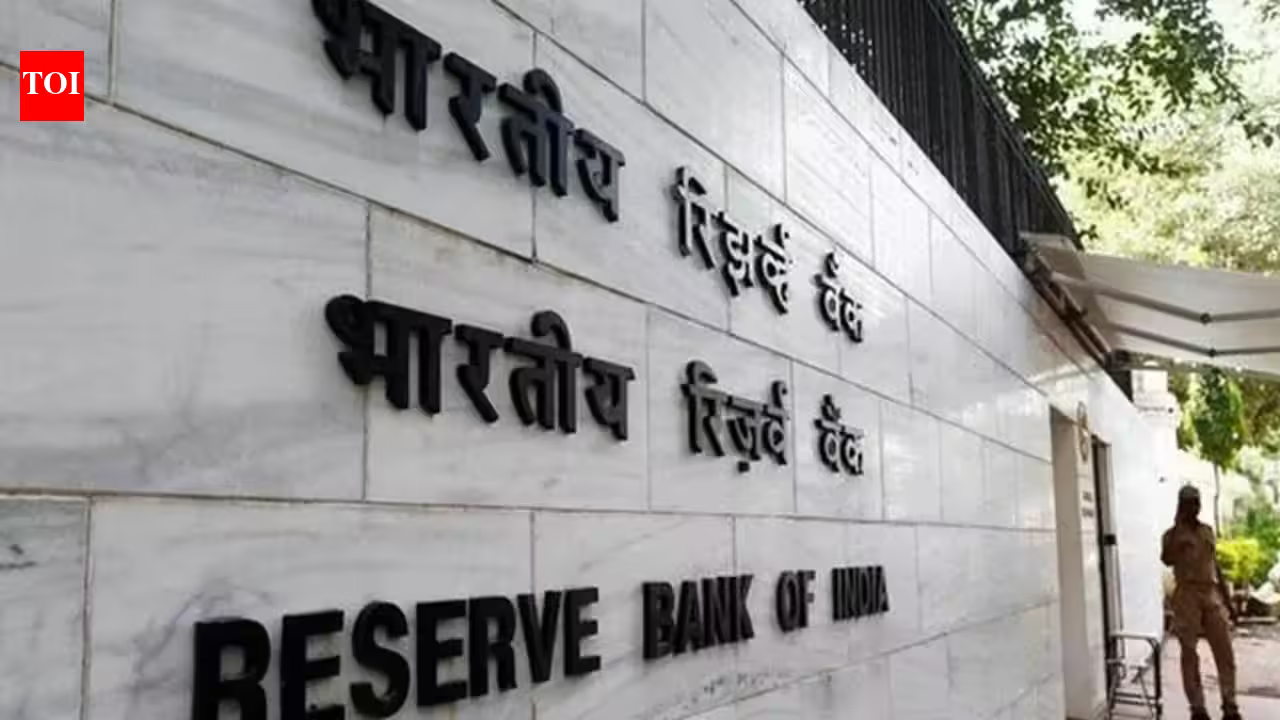
The Shifting Landscape of Indian Monetary Policy
The Indian economic landscape is currently at a critical juncture, characterized by a renewed conversation regarding interest rate adjustments. As inflation indicators show signs of persistence and global central banks recalibrate their strategies, the Reserve Bank of India’s (RBI) Monetary Policy Committee (MPC) finds itself under intense scrutiny. Recent consensus among prominent economists suggests that the era of status quo may be drawing to a close, with a majority anticipating a pivot toward a more hawkish stance in the coming months.
The primary driver behind these expectations is the accelerating trajectory of retail inflation, which threatens to breach the central bank’s comfort threshold. While the RBI has maintained a cautious approach to keep the recovery momentum intact, the broadening of price pressures across various sectors has forced a rethink. Economists suggest that keeping rates unchanged for a prolonged duration, in the face of rising global interest rates in key economies like the United States and Japan, could put undue pressure on the Indian Rupee and impact domestic liquidity management. The upcoming policy review in October is now widely perceived as a pivotal moment where the MPC must decide whether to continue its wait-and-see strategy or initiate a tightening cycle to anchor inflation expectations.
Drivers of the Anticipated Rate Hike Cycle
The arguments for a rate hike are rooted in a combination of domestic and international macroeconomic variables. Domestically, while growth remains resilient, the composition of inflation has become a concern. Experts have noted that inflationary pressures are no longer confined to volatile food items but are becoming generalized, affecting core components of the Consumer Price Index (CPI). When inflation becomes embedded in the broader economy, the secondary effects on wage growth and service sector pricing necessitate a preemptive response from the regulator.
On the global front, the divergence between the monetary policy of the US Federal Reserve and the RBI plays a significant role in capital flow dynamics. As major central banks maintain higher-for-longer interest rates to combat their own inflationary challenges, the differential between global yields and domestic yields can lead to portfolio outflows and currency volatility. By opting for a 25 basis point hike, the RBI would not only address internal price stability but also provide a buffer for the domestic currency. Furthermore, the volatility in crude oil prices serves as a persistent risk factor. Given India’s heavy reliance on energy imports, elevated crude prices act as a direct tax on the economy, widening the trade deficit and complicating the inflation management task for the MPC.
Market Sentiment and the Debate on Liquidity
While a segment of the analyst community strongly advocates for a hike, the role of market liquidity remains a point of significant debate. Some economists argue that the domestic liquidity situation is still evolving and that premature rate actions could prove counterproductive. The argument here is that if the banking system’s liquidity is not yet stable, tightening monetary policy could unnecessarily constrict credit growth to critical sectors, thereby stifling the post-pandemic momentum that the government and the central bank have worked diligently to sustain.
Conversely, proponents of the hike highlight the urgency of managing systemic liquidity to curb speculative price movements. They emphasize that the MPC must focus on the real interest rate environment. If the real interest rate remains low or negative for too long, it risks incentivizing consumption over savings and exacerbating price pressures. Consequently, the consensus view has coalesced around a shallow tightening cycle, with cumulative increases of 50 to 75 basis points projected for the fiscal year. This measured approach aims to signal the RBI’s commitment to its inflation-targeting mandate without inducing a sharp deceleration in economic activity.
Strategic Implications for Businesses and Borrowers
For the corporate sector and individual borrowers in India, the shift toward a tightening cycle necessitates a strategic re-evaluation of capital expenditure and debt management. Over the last few years, a low-interest-rate environment has supported balance sheet deleveraging and expansion projects. An increase in the repo rate would lead to a higher cost of capital, directly impacting the bottom lines of capital-intensive industries such as real estate, infrastructure, and manufacturing.
Businesses are advised to focus on improving cash flow efficiency and reducing reliance on short-term variable-rate debt. As the cost of borrowing rises, the threshold for new projects will naturally increase, leading to a more selective approach to expansion. Additionally, for the retail consumer, the impact will be felt in the form of higher equated monthly installments (EMIs) for home, auto, and personal loans. Banks are expected to pass on the repo rate hikes to customers with a lag, but the cumulative effect of a 50 to 75 basis point increase will be noticeable. The financial services sector will likely see a narrowing of net interest margins (NIMs) initially, as banks balance the need to increase lending rates with the competitive pressure to maintain deposit growth.
The Balancing Act: Stability vs. Growth
The challenge facing the MPC leadership is the classic economic dilemma: maintaining the delicate balance between fostering growth and ensuring price stability. The RBI’s mandate is to keep inflation within its defined target range, yet the sensitivity to growth risks remains high. The majority of economists expect the RBI to adopt a data-dependent path, where each decision is contingent on the latest inflation prints and liquidity indicators rather than a rigid, pre-committed path of rate increases.
This flexible approach is reflected in the divergent views among analysts. Some argue that an October hike is necessary to build a “moat” against future inflation, while others suggest that waiting until December will provide a clearer picture of the inflation cycle. This caution is well-founded. A series of aggressive hikes could dampen domestic demand at a time when the global export environment is fragile. Therefore, the RBI is likely to utilize a combination of communication tactics and incremental rate adjustments to signal its stance. By providing clear guidance on its commitment to the 4% inflation target, the central bank aims to manage market expectations, ensuring that the economy remains on a stable, albeit more expensive, growth trajectory.
Ultimately, the anticipated rate hike cycle represents a transition toward normalization in the post-pandemic global economy. While the immediate impact will be an increase in the cost of borrowing, it is a necessary evolution to ensure the long-term sustainability of the Indian growth story. By addressing inflation proactively, the RBI aims to maintain the macroeconomic stability that has made India one of the most attractive investment destinations in the world. Investors and businesses alike should prepare for a period of adjustment, where efficiency and fiscal prudence will be the key determinants of long-term success.
Disclaimer: This content is auto-generated for informational purposes only.
Source: Read Original News