






Tensions in the Middle East have reached a critical inflection point as Yemen’s Houthi rebels and the Saudi-led coalition engage in an escalating “tit-for-tat” exchange of strikes, plunging the region into a fresh cycle of violence.
On Thursday, forces aligned with the Saudi-backed Yemeni government reported intercepting an explosive-laden drone targeting the holy city of Medina, alongside a missile aimed at the Saudi capital, Riyadh. This latest escalation follows a series of aggressive maneuvers by the Houthi movement, also known as Ansar Allah, which has vowed to continue targeting Saudi energy infrastructure and transport hubs.
The volatility has intensified dramatically over the past week. Houthi military spokesperson Yahya Saree claimed responsibility for a “high-quality” operation targeting an Aramco facility in Dhahran—the heart of the Saudi oil industry—as well as sustained strikes against Riyadh’s international airport. A Saudi Ministry of Energy official confirmed a “limited fire” at the Dhahran facility, though reported no casualties.
The impact of the conflict is now being felt beyond the battlefield. Saudi aviation remains largely paralyzed, with Riyadh’s King Khalid International Airport shuttered following a weekend attack that left 14 dead and hundreds wounded. Major upcoming events, including a high-profile investment conference and the “Six Kings Slam” tennis tournament, have been canceled or postponed, casting doubt on the kingdom’s ambitious economic roadmap.
Observers note that the Houthis are leveraging these attacks to exert economic pressure, intentionally disrupting supply chains near the Bab al-Mandeb strait—a crucial maritime chokepoint that has become the lifeline for Saudi oil exports.
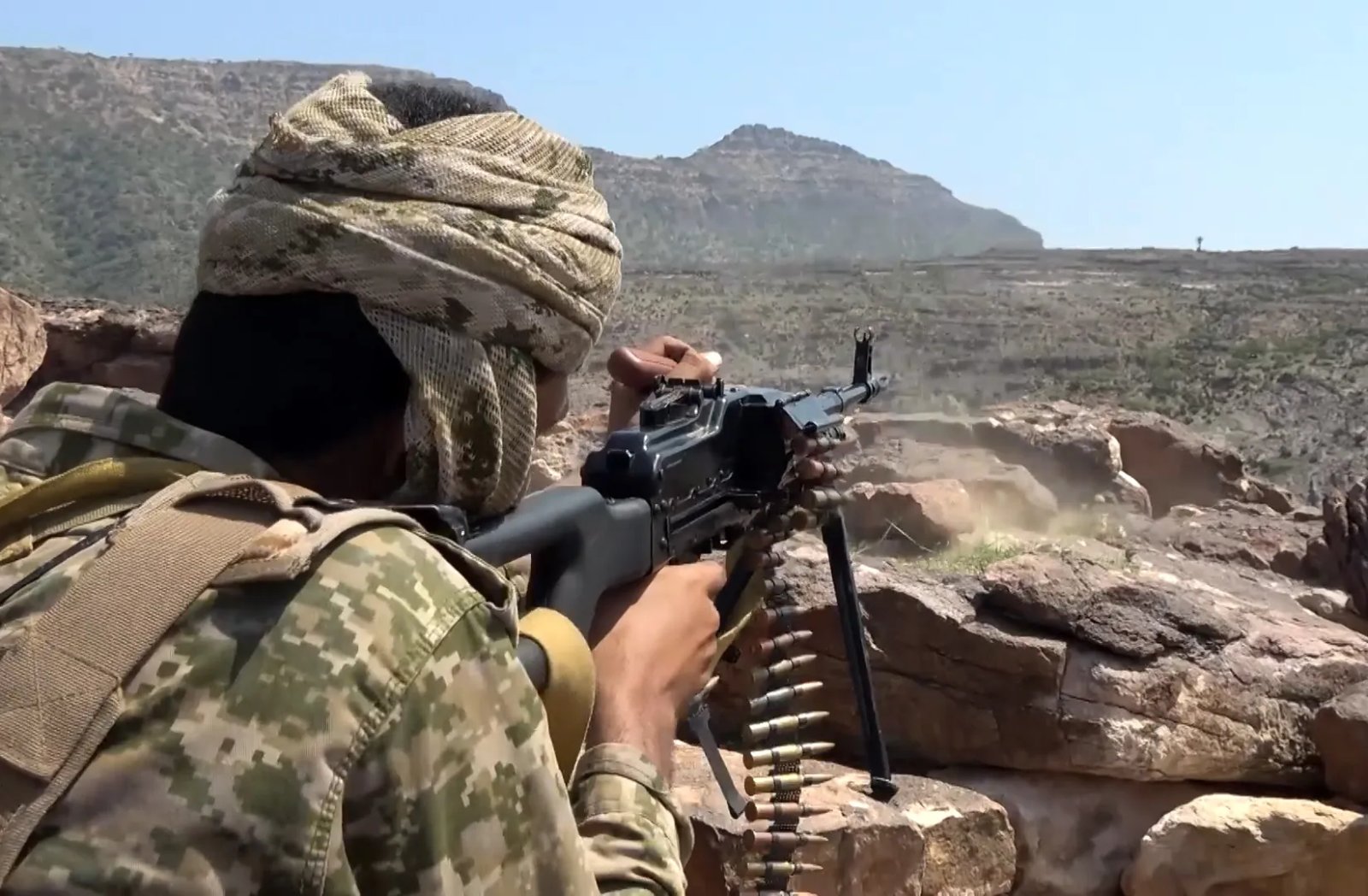
In response, the Saudi-led coalition has launched a heavy aerial bombardment campaign against Houthi strongholds in the Yemeni capital, Sanaa. On the ground, the Yemeni government has launched “Dawn of Yemen,” a massive counter-offensive aimed at reclaiming vital coastal territory in the Taiz governorate. Military officials claim to have conducted over 2,300 targeting operations, resulting in the destruction of hundreds of Houthi vehicles. However, the fighting remains a brutal, repetitive stalemate; frontline hospitals are reportedly overwhelmed, with the Red Cross documenting hundreds of weapon-wounded patients arriving weekly.
The breakdown of the 2022 ceasefire has turned the region into a powder keg. Al Jazeera’s Yousef Mawry reported from Sanaa that the conflict has evolved into a strategic battle of attrition: “The goal is to meet fire with fire—air strike for air strike, capital for capital, airport for airport.”
As both sides double down, the humanitarian cost continues to mount. The UN’s World Food Programme has warned that wheat flour stocks in besieged regions like Taiz are nearly exhausted, leaving civilians trapped in a war that shows no sign of abating. With international events sidelined and global trade routes increasingly precarious, the conflict threatens to inflict long-term economic and human damage far beyond Yemen’s borders.
Disclaimer: This content is auto-generated for informational purposes only.
Source: Read Original News