







The Strategic Evolution of Black Friday in India
The concept of Black Friday, once an exclusively American retail tradition centered on the day following Thanksgiving, has firmly established itself within the Indian consumption calendar. In the past, Indian retail cycles were strictly bifurcated into the festive window—led by Diwali and Durga Puja—and the subsequent pre-year-end lull. However, modern retailers are aggressively utilizing Black Friday to bridge this gap, transforming it into a high-octane sales period that sustains momentum through the end of the year.
The transition from an online-only phenomenon to a widespread omnichannel event is now complete. Major shopping centers, including Nexus Select Malls and DLF Retail, are reporting significant footfall growth, indicating that physical retail is capturing as much value from this event as digital platforms. This shift is not merely a imitation of Western marketing but a calculated business maneuver designed to stimulate consumer demand during a period that was previously stagnant. For the Indian market, this represents a sophisticated expansion of the retail calendar, ensuring that engagement remains high even after the primary festive rush concludes.
Targeting Premium Segments and High-Ticket Purchases
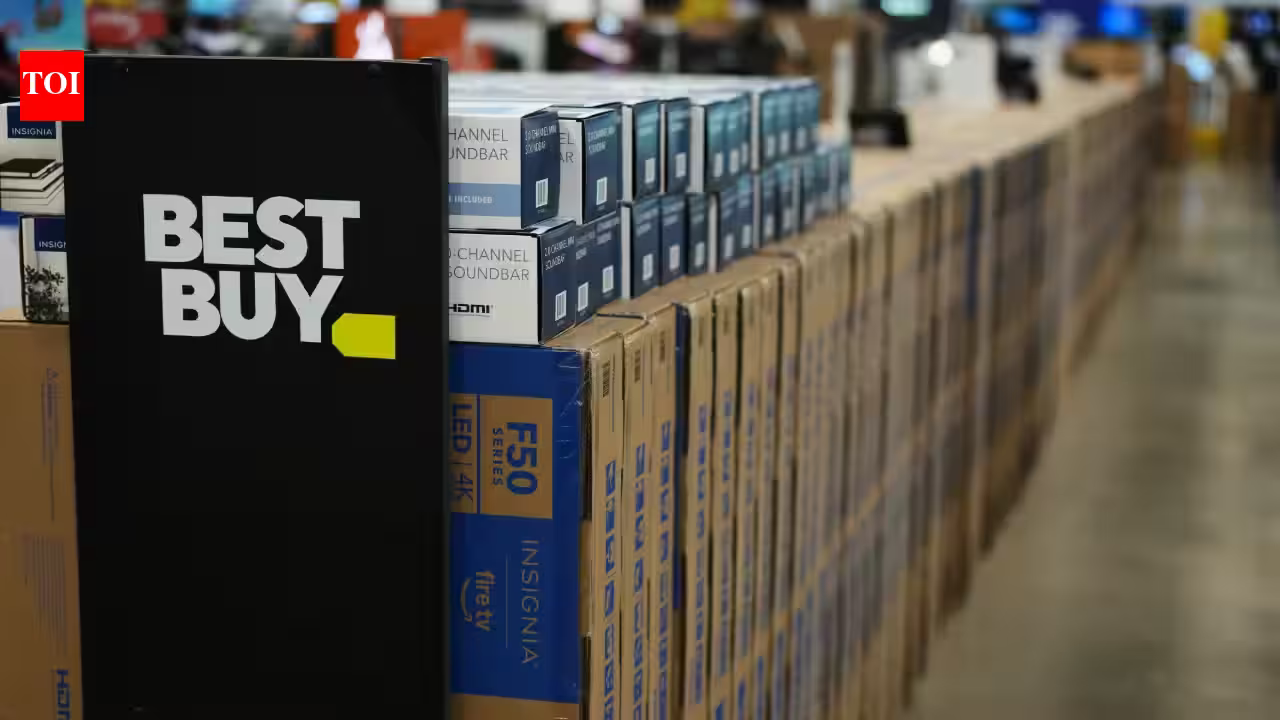
A distinctive feature of the current Indian Black Friday landscape is its focus on high-value, premium segments. Rather than relying solely on impulsive, low-cost purchases, retailers are curating elaborate bundles to drive revenue. Major electronics chains like Vijay Sales, Reliance Digital, and Croma are deploying aggressive pricing strategies that incorporate exchange bonuses, trade-in values, and cashback incentives. By bundling essential home appliances—such as televisions, refrigerators, and washing machines—retailers are simplifying the decision-making process for consumers who may have deferred these purchases during the Diwali season.
This focus on premiumization extends to the luxury and fashion sectors. Luxury retailers like Coach and various high-end fashion houses are utilizing Black Friday to clear inventory or promote specific seasonal collections with significant price reductions. Industry analysts note that this strategy aligns with the behavior of the aspirational Indian consumer, who often identifies specific high-value items throughout the year and waits for strategic promotional windows to execute the transaction. By aligning inventory management with these established shopping behaviors, brands are successfully converting intent into high-value sales.
Shifts in Consumer Sentiment and Spending Power
While the surge in Black Friday sales suggests robust growth, a nuanced look at consumer sentiment reveals a more complex environment. Deloitte reports indicate that a significant portion of the population is becoming more discerning regarding non-essential expenditures. With a noticeable decline in the willingness to undertake large, discretionary purchases compared to previous quarters, the success of Black Friday hinges heavily on the perceived value proposition.
Consumers are increasingly prioritizing utility and long-term benefits in their spending. The effectiveness of current retail campaigns is rooted in their ability to present “deals” that feel substantial. For instance, brands that shift from volume-based promotions—like the traditional buy-two-get-one offers—to more targeted incentives have seen a marked increase in order values and efficiency. This suggests that Indian shoppers are becoming less attracted to general discounts and more responsive to specific, high-impact savings that correlate with their immediate needs, such as winter apparel for the upcoming season or major upgrades to their home technology ecosystem.
The Role of Data and Digital Optimization
The digital infrastructure supporting these sales events has reached a level of maturity that allows for precise performance tracking. Myntra and various e-commerce logistics partners, such as GoKwik, are utilizing real-time data to monitor consumer behavior as it unfolds. The ability to move new collections—as evidenced by the high percentage of sales attributed to fresh, rather than old, inventory—indicates that Black Friday has become a core component of the seasonal merchandising cycle rather than a mere clearance event.
Furthermore, the data underscores a shift toward higher Average Order Values (AOV). By leveraging digital platforms to offer exclusive benefits, brands are observing that consumers are willing to increase their basket size if the perceived discount is tied to quality or brand prestige. This data-driven approach allows retailers to predict demand more accurately and manage supply chains with greater precision, minimizing the risks associated with overstocking while maximizing the conversion rate of active shoppers.
Market Outlook: Sustainability and Future Growth
The long-term success of Black Friday in India will depend on how retailers manage the balance between driving short-term volume and maintaining brand equity. As retailers like Tata CLiQ Luxury continue to report double-digit year-on-year growth, the model has proven its viability. However, the true test lies in whether these sales events act as a genuine catalyst for incremental growth or if they simply cannibalize sales that would have occurred during other periods of the quarter.
Industry leaders remain optimistic, noting that the weeks following the event provide critical insights into consumer resilience. The expansion into wedding-related categories and seasonal winter wear suggests that Black Friday is becoming integrated with the local socio-economic fabric, moving beyond its American roots. As competition intensifies, the retailers that will thrive are those that can successfully synthesize digital convenience with the physical sensory experience of in-store shopping. By offering curated, high-value bundles and maintaining a consistent inventory mix that appeals to both price-sensitive and premium segments, the Indian retail sector is effectively turning the year-end transition into a powerhouse of sustained commercial activity. The evolution from a niche, online-exclusive event to a cornerstone of the national retail calendar underscores the adaptability and strategic foresight of India’s modern consumer market.
Disclaimer: This content is auto-generated for informational purposes only.
Source: Read Original News