







Nepal’s Tourism Faces Uncertain Future After Catastrophic Glacial Floods
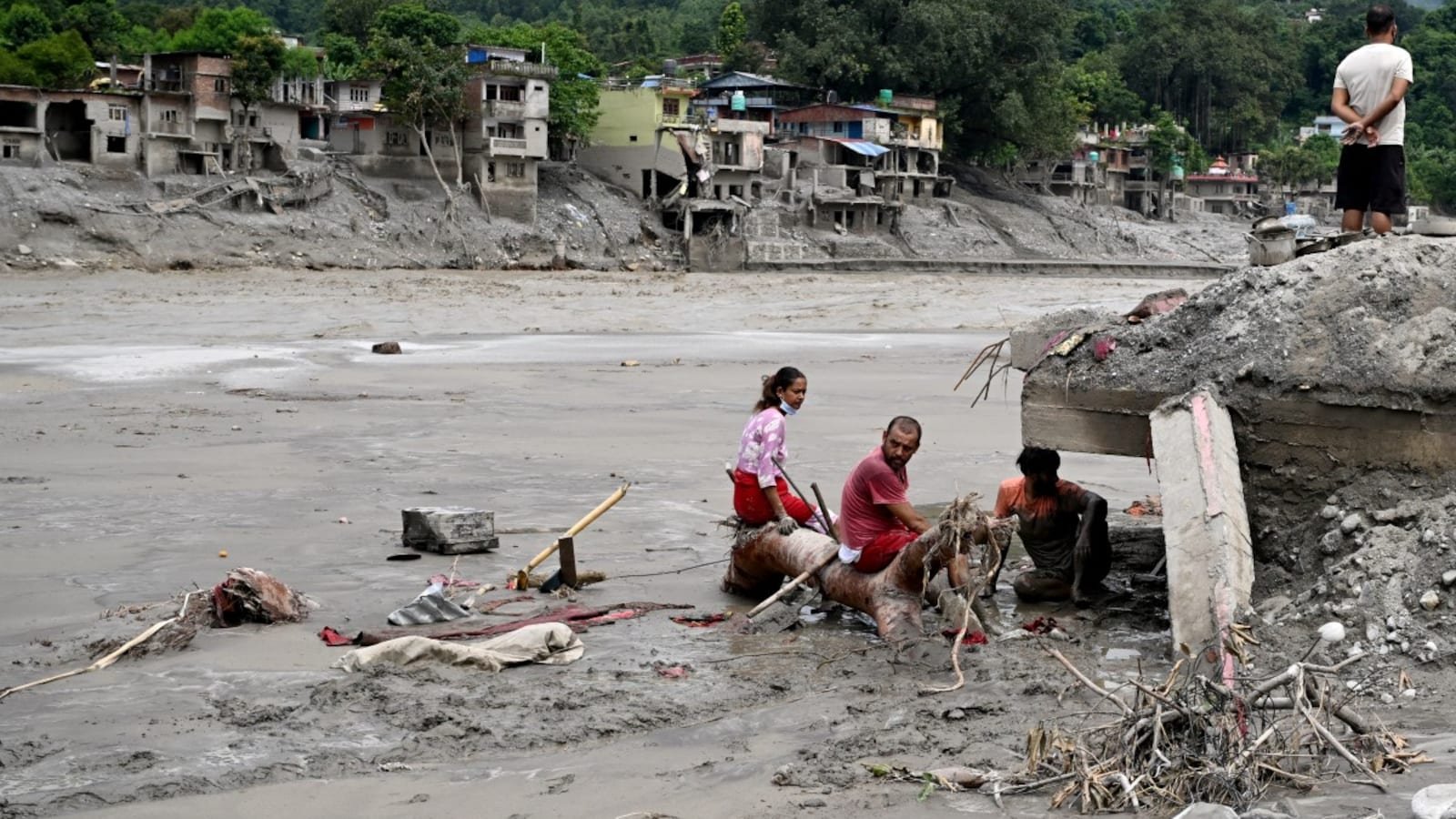
The Himalayan nation of Nepal is grappling with the aftermath of a devastating climate-induced tragedy. On August 26, 2026, a sudden high-altitude glacial collapse triggered massive flash floods along the Lhende Khola and Bhote Koshi river systems. The calamity has left a trail of destruction, claiming numerous lives, displacing residents, and shattering vital infrastructure, including key transit arteries like the Gyirong Port and Rasuwagadhi border crossings.
As rescue operations continue, the disaster has cast a long shadow over Nepal’s tourism sector—a lifeblood of the national economy that accounts for roughly 7% of its GDP and supports over a million livelihoods. With the peak trekking and pilgrimage season approaching, the nation now faces an uphill battle to convince the world that it remains a safe and welcoming destination.
The Economic Stakes
Tourism in Nepal is far more than an avenue for leisure; it is a primary engine of foreign exchange and rural development. Experts warn that a prolonged decline in visitor numbers could stifle the country’s economic recovery efforts.
“Tourism spending ripples through every layer of our economy—from hotel staff and local artisans to farmers and transport operators,” says Shashi Kant Chaudhary, Director at the Nepal Environmental Research Institute (NERI). “By maintaining visitor flow, we can provide the government with the necessary fiscal capacity to fund reconstruction in flood-affected districts.”
Echoing this sentiment, Ramesh Raj Pant, an environmental scientist at Tribhuvan University, notes that the destruction of transit routes like the Rasuwagadhi corridor has been a severe blow to regional trade and pilgrimage traffic. “Sustaining tourism is not merely about revenue; it is essential for the stability of remote rural communities that rely on these corridors to survive,” Pant explains.
Challenging the Perception Bias
In the wake of the floods, distressing visuals of ruined bridges and overflowing rivers have dominated global media. While these images highlight the ferocity of the disaster, experts fear they have triggered an unfair “extrapolation bias,” leading international travelers to label the entire nation as unsafe.
Renowned actor and cultural advocate Manisha Koirala has issued a heartfelt appeal to the international community, urging travelers to look beyond the disaster headlines. “We do not want to be defined solely by this tragedy,” Koirala stated. “Nepal remains a land of profound culture, resilient people, and extraordinary natural beauty. By shunning the country, we only deepen the crisis for the millions who rely on the hospitality industry.”
Industry experts point out that the damage is geographically localized. Major hubs such as Pokhara, Lumbini, Chitwan, and the Everest region remain fully operational and continue to welcome guests with traditional warmth.
Travel as an Act of Solidarity
As Nepal begins to rebuild, the role of neighboring nations, particularly India, has come into sharp focus. Given the shared cultural and religious ties—including the deep-seated reverence for pilgrimage sites like Pashupatinath—India is viewed as a crucial partner in the nation’s revival.
“Every responsible visit to Nepal now acts as a direct investment in recovery,” says Chaudhary. “Choosing to travel here is an act of solidarity that empowers local communities to stand back on their feet.”
A Call for Regional Climate Responsibility
The 2026 floods have reignited a critical debate regarding climate change in the Himalayas. Despite contributing less than 0.1% of global greenhouse gas emissions, Nepal finds itself on the front lines of environmental collapse.
“The tragedy is a wake-up call for transboundary cooperation,” asserts Professor Pant. “India, China, and Nepal must prioritize the development of advanced early-warning systems and better basin management to mitigate the risk of future Glacial Lake Outburst Floods (GLOFs).”
For now, the message from Kathmandu is clear: while the landscape has been scarred by climate change, the spirit of the nation is far from broken. By continuing to visit and support local tourism, the international community can ensure that Nepal’s path to recovery is paved with resilience rather than isolation.
Disclaimer: This content is auto-generated and paraphrased.
Source: Read Original News