







With water temperatures rising by up to 5 degrees scientists are warning of mass mortality events
By Rebecca Givan
Downloading PDF. Please wait…
Thursday 09 July 2026

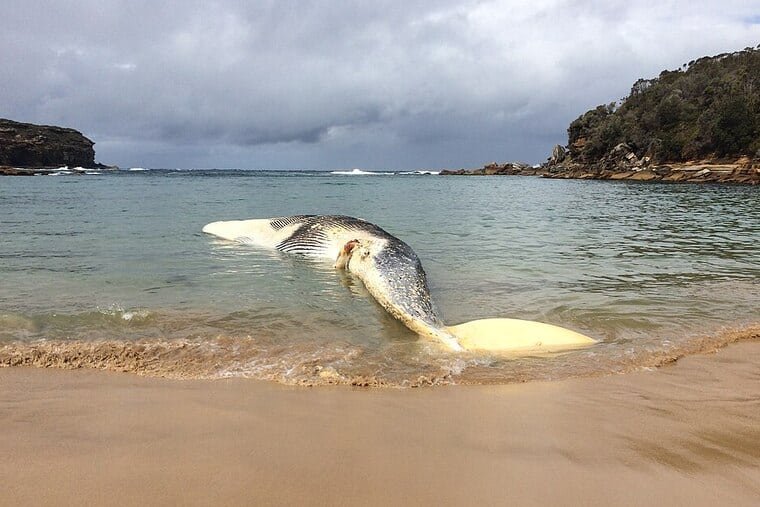
Around one million marine animals were killed in Australia last year due to rising ocean temperatures (Photo: WikipediaCommons)
Heatwaves could lead to “mass mortality events” of marine life as oceans hot up.
Waters around Britain are experiencing “extreme” heatwaves, according to the Met Office.
This is the third and worst marine heatwave Britain has seen this year. On average temperatures are up 2 degrees, but in some areas they’re up by 4 to 5 degrees.
Scientists have warned that such high temperatures could result in “mass mortality events” for marine life.
These mass mortality events are already taking place. Around one million marine animals in Australia last year were killed as a result of toxic algae blooms caused by rising ocean temperatures.
According to researchers, this bloom also had negative effects on the health of people nearby and it still hasn’t fully gone away.
These kinds of algae blooms are becoming more common as ocean temperatures rise as a result of climate change.
It isn’t just marine animals that are threatened—plant life is also at risk.
Underwater plant life is essential to managing climate change. Marine plants absorb more carbon than the rainforests do and much of the world’s oxygen is produced by marine plants.
Posidonia, a seagrass that covers much of the Mediterranean Sea, absorbs much of the carbon produced by its neighbouring countries.
According to climate scientists, rising ocean temperatures and the arrival of invasive species threaten Posidonia’s existence.
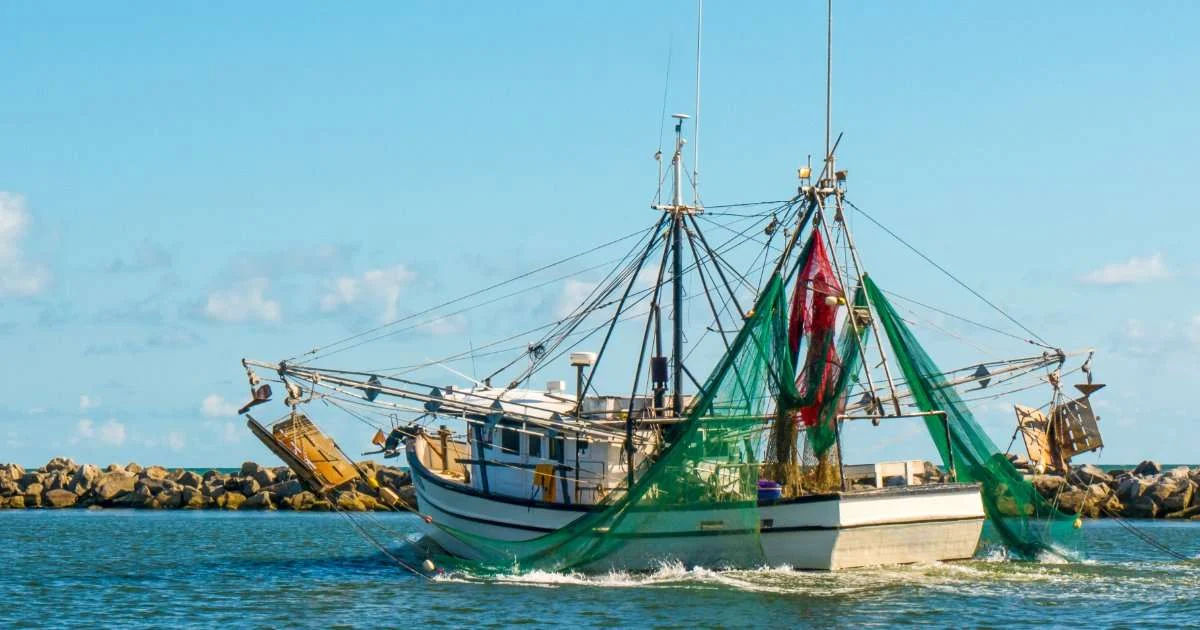
And, in waters around Britain, for instance, octopuses are becoming more common—and they’re already being fished for profit.
Record numbers of octopuses are being sold at fish markets in Britain.
At the same time, the bosses’ Financial Times newspaper reports that shipping companies are giving up on more environmentally-friendly fuel sources.
And some shipping companies are investing in technology that will turn carbon dioxide into limestone that will then be dropped into the sea.
It’s another reminder of how the profit system is driving us to disaster—and the need to break with it.