







The Joy of a Tidy Garden and Why Some Guests Are Unwelcome
There is something undeniably peaceful about spending a Saturday morning in the garden. Whether you are pruning roses, pulling up the odd dandelion, or simply enjoying a cup of tea on your patio, the garden is a sanctuary. However, nature sometimes invites a guest that we would rather avoid. You might have heard whispers about Japanese Knotweed, a plant that has gained a reputation for being the ultimate garden villain. While it sounds like the premise of a horror movie, a little bit of knowledge goes a long way in keeping your home and your peace of mind intact.
The History of an Unwanted Guest
It is a funny irony that this plant was once a Victorian status symbol. Back in the day, gardeners loved it for its exotic, fast-growing nature. It was considered a treasure to have in one’s collection, valued for its appearance and vigor. Today, that very same vigor is what makes it such a nuisance. Originally brought over from Asia, it adapted to our climate a little too well. It is a classic reminder that just because something looks nice, it does not mean it belongs in your backyard. Being aware of its history helps us understand why it is so stubborn—it was essentially bred to conquer new territories.
Spotting the Signs Early
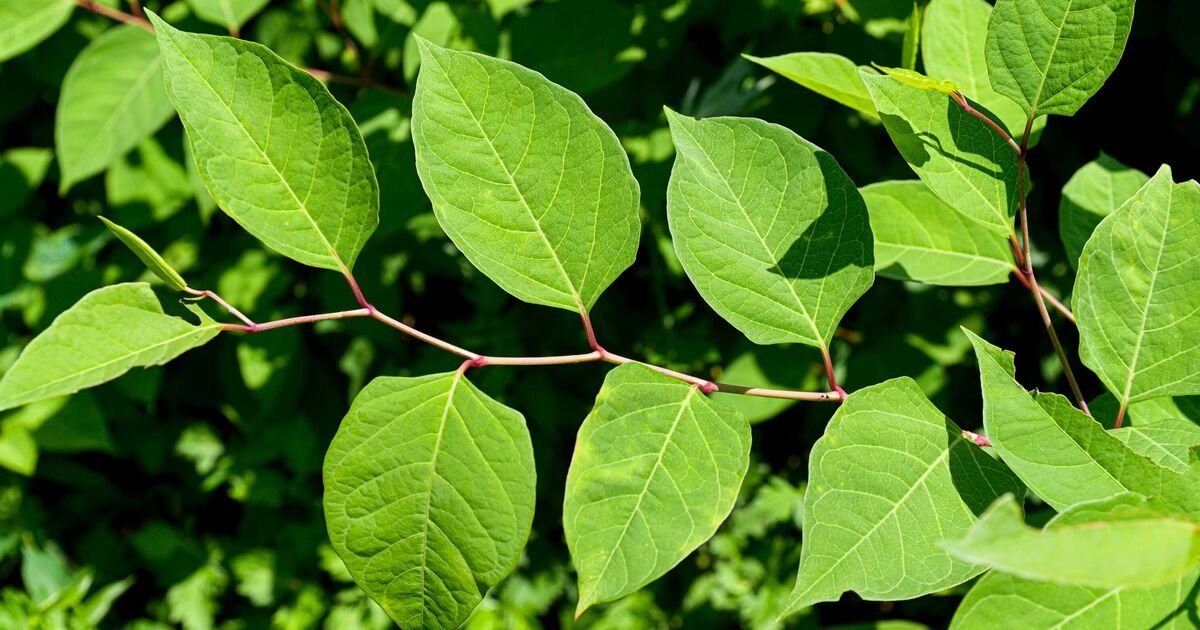
You do not need to be a botanist to identify this plant, but you do need to keep your eyes peeled. If you see something that looks like an asparagus stalk popping up with little purple spots, it is time to pay attention. As the season progresses, those stalks develop large, shovel-shaped leaves. In the autumn, keep an eye out for tiny white flowers. The tricky part is that it looks remarkably like other plants, such as bamboo or even certain types of lilac. If you suspect something is growing where it shouldn’t be, take a clear photo and compare it against reliable plant identification guides or speak to a local gardening expert. Catching it early is the best way to keep your maintenance costs low and your sanity high.
Understanding the Real Risk
There is a lot of noise about how this plant can destroy a house, but it is helpful to keep things in perspective. While it is true that its roots are incredibly strong and can push against drainage pipes and patio foundations, most homes are not going to crumble overnight. The biggest headache is often the legal and financial aspect rather than the structural one. Because the plant is so difficult to kill, it can complicate the process of selling a home. If it is sitting on your property, you have a responsibility to manage it so it does not wander over to your neighbor’s fence. Avoiding a legal headache with the folks next door is a great reason to stay proactive with your garden maintenance.
The Seven-Metre Rule
If you find yourself staring at a suspicious plant, remember the rule of thumb used by professionals: the seven-metre rule. If you spot a patch of this growth within seven metres of your home or your neighbor’s boundary, it is time to call in the pros. A professional surveyor can take a look and give you an honest assessment of whether you are dealing with a minor inconvenience or a situation that needs a more robust treatment plan. Professional intervention is often the most cost-effective path because attempting to dig it out yourself usually results in small fragments remaining in the soil, which leads to the plant simply growing back stronger.
Keeping Your Green Space Happy
Ultimately, your home is your castle, and protecting your garden is part of maintaining your overall quality of life. You do not need to live in fear of every weed that pops up, but staying informed helps you catch problems while they are still manageable. Treat your garden like any other part of your home—with regular check-ins and a bit of care. By staying observant and knowing when to call for back-up, you can spend less time worrying about invasive species and more time enjoying those sunny afternoons on your patio. A little diligence today means a much more relaxed weekend tomorrow.
Disclaimer: This content is auto-generated for informational purposes only.
Source: Read Original News