









ENGLAND’S batting mainstay Joe Root has expertly side-stepped the renewed firestorm surrounding the infamous 2018 ‘Sandpapergate’ scandal, maintaining a laser focus on the upcoming ODI series against Australia rather than rehashing one of cricket’s darkest chapters.
As fresh revelations regarding the Australian team’s conduct continue to circulate, Root—currently preparing for the high-stakes three-match white-ball series—made it clear that he has no interest in fueling the flames of historic controversy. Speaking to the media, the former England Test captain adopted a pragmatic approach, emphasizing that he possesses no firsthand knowledge of the inner workings of the Australian dressing room during that volatile era.
Root Stays the Course Amidst Fresh Turmoil
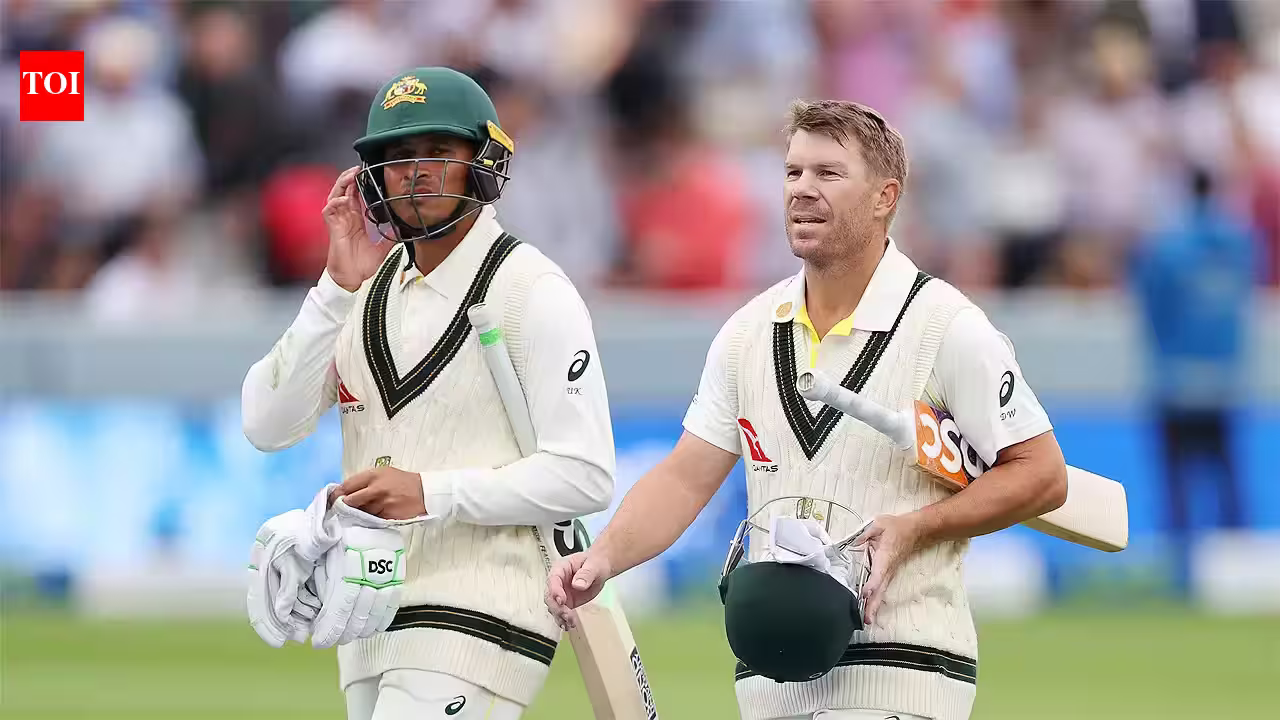
The cricket world was once again sent into a spin this week following the release of Usman Khawaja’s autobiography, Sabr. In the memoir, the veteran Australian batter suggests that the responsibility for the ball-tampering culture that culminated in the 2018 Cape Town Test was far more widespread than the public was led to believe. Khawaja’s claims that the awareness of such practices extended beyond the disgraced trio of Steve Smith, David Warner, and Cameron Bancroft to include wider team members and support staff have reopened old wounds.
When pressed on whether he felt the game had moved on, or if he had personally encountered similar systemic issues during his long and storied career, Root remained measured.
“I wasn’t in that dressing room, I don’t know what went on,” Root stated during his pre-series press conference. “I don’t want to speculate. My focus is with this team right now and what we’ve got coming up.”
When asked directly if he had experienced similar ball-manipulation tactics throughout his own international tenure, Root’s answer was unequivocal: “I can only speak from my own experiences and that’s not how I feel, no.”
Khawaja’s Revelations Shift the Narrative
The controversy, which initially broke in 2018 when television cameras caught Cameron Bancroft using sandpaper to alter the state of the ball during a Test match in South Africa, resulted in severe disciplinary action. Smith and Warner were slapped with year-long bans, while Bancroft served a nine-month suspension. For years, the narrative held that the decision was a rogue act by the trio.
Khawaja’s book, however, provides a more granular—and perhaps more damning—perspective. Beyond the 2018 incident, Khawaja claims that the Australian team had been systematically lifting the ball’s quarter seam throughout the 2017-18 Ashes series to induce reverse swing, a practice he implies was widely understood within the squad. By suggesting that the punishment of the three players was an exercise in scapegoating rather than a holistic reckoning, Khawaja has reignited a debate regarding institutional accountability that many in Cricket Australia had hoped was permanently buried.
The Australian Squad’s Silent Strategy
If the goal of the current Australian leadership is to move forward, their players are certainly reading from the same hymn sheet as Joe Root. Peter Handscomb, who was a member of the squad during that tumultuous 2018 tour, also faced the media following the publication of the book. Much like his English counterpart, Handscomb was unwilling to engage with the past.
“Look, I appreciate you have to ask these questions,” Handscomb said when prompted for a reaction to his teammate’s claims. “I’ve had a nice day today, and it’s not really something that I want to comment on right now. I’ll sort of just let the powers of people do their thing.”
Handscomb emphasized the necessity for modern cricketers to compartmentalize, focusing on the immediate challenges of professional competition rather than the noise generated by off-field historical debates.
A Series Overshadowed?
Despite the efforts of players on both sides to steer the conversation toward cricket, the shadow of Sandpapergate remains long. For the fans, the implications of Khawaja’s book suggest that the integrity of the 2017-18 Ashes remains under a cloud. However, for those inside the game, the message is one of professional survival: look forward, not back.
As England and Australia prepare to face off in the white-ball arena, the atmosphere promises to be as competitive as ever. While the history books may be getting a rewrite thanks to the latest revelations, the players are clearly intent on ensuring that the headlines tomorrow morning are defined by cover drives and stump-shattering deliveries rather than the ghosts of Cape Town.
For now, Joe Root’s “don’t look back” policy serves as the standard for both teams. Whether the cricket public—and the respective national boards—will be able to maintain that same level of detachment remains to be seen as more excerpts from Khawaja’s book hit the shelves. For the time being, however, the silence from the dressing rooms is deafening, signaling a clear intent to let the sport take center stage, even as the walls of the past begin to crack.
Disclaimer: This content is auto-generated for informational purposes only.
Source: Read Original News