






Protocol Over Autographs: Why Kate Middleton Declined a Fan’s Request in Mumbai
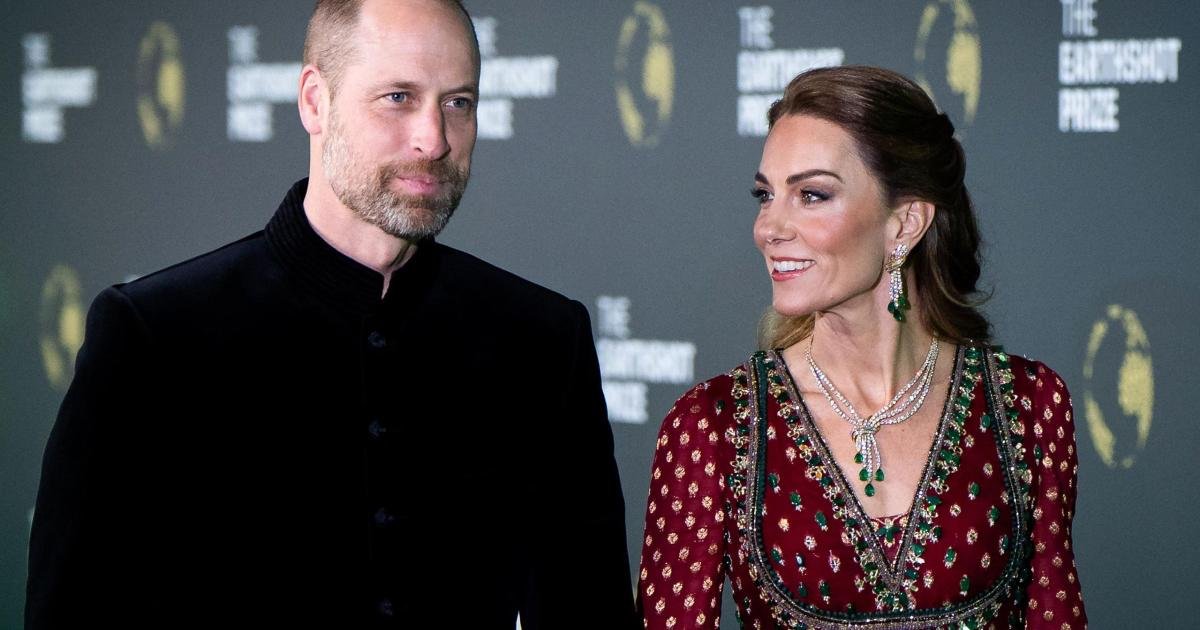
The British royal family is known for its rigid adherence to centuries-old traditions, and recently, the Princess of Wales reminded the public that some of these rules remain firmly in place. During a high-profile visit to Mumbai, India, alongside Prince William and legendary cricketer Sachin Tendulkar, Kate Middleton found herself in a situation that necessitated a polite but firm refusal.
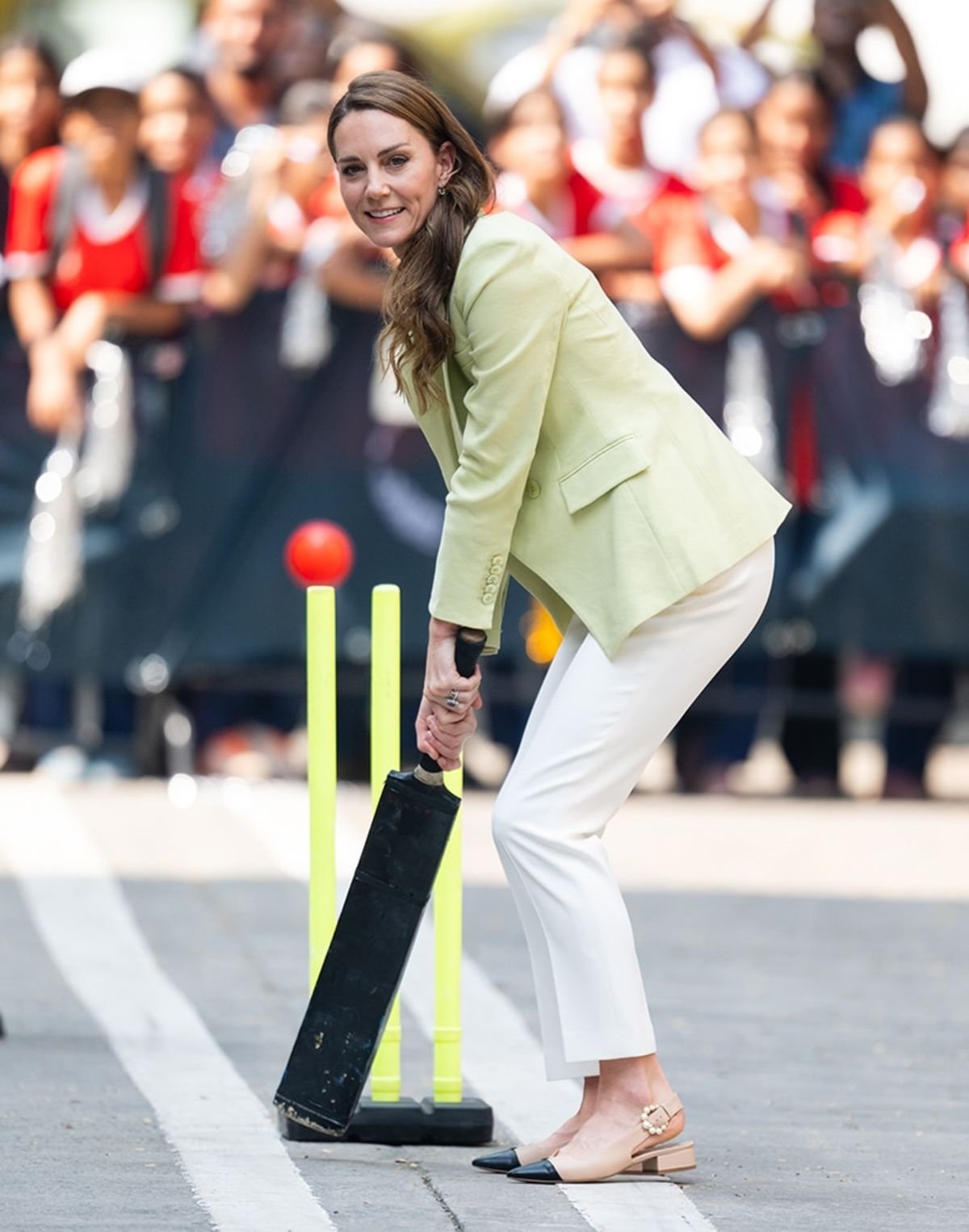
As the royal couple engaged with the public during a street cricket demonstration on November 16, a young fan approached the Princess with an autograph book. While Sachin Tendulkar was busy signing jerseys and portraits for the enthusiastic crowd, the Princess of Wales had to gently turn down a similar request. In a moment captured on video, the Princess expressed her regret, telling the young girl, “Sorry, I can’t sign this.”
To maintain the warmth of the interaction, the Princess offered a friendly handshake instead, before stepping onto the pitch to test her own skills with a cricket bat.
The Security Logic Behind the Rule
The prohibition on signing autographs is a standard element of royal protocol. While it may seem like a simple formality to outsiders, the restriction is rooted in serious security concerns. By limiting the number of verified royal signatures in circulation, the palace significantly reduces the risk of these documents being forged or misused. This long-standing policy ensures that official royal papers remain authentic and protected from potential manipulation.
This was not the first time the Princess of Wales has had to navigate this particular challenge. During a 2022 appearance at the Chelsea Flower Show in London, she encountered a similar request while interacting with students. At the time, she explained the necessity of the rule, noting, “I’m not allowed to write my signature; it’s just one of those rules.”
However, displaying her characteristic ability to connect with people, the Princess found a clever workaround during that event. She informed the children that while she could not sign her name, she was permitted to draw for them. She proceeded to illustrate a series of pictures, including a flower and a pond, satisfying the children’s request without violating the underlying protocol.
Exceptions to the Rule
Despite the firmness of the tradition, the rule has occasionally been bent by other members of the Windsor family. One of the most notable deviations occurred in 2010 when then-Prince Charles visited a community in Cornwall, England, following devastating floods.
Moved by the family’s plight, a mother named Meg Hendy made a “cheeky” request for an autograph on behalf of her young son, Tom. In an unprecedented move, the future King agreed to the request. He signed a piece of paper as “Charley 2010” and offered a modest apology for his “shaky writing,” explaining that he was not accustomed to writing while standing up.
The gesture, which was captured by a local photographer, was viewed by the family as a profound act of kindness during a time of immense personal loss. While such instances remain rare, they highlight the complex balance the Royal family maintains between preserving institutional traditions and meeting the human desire for personal connection.
Disclaimer: This content is auto-generated for informational purposes only.
Source: Read Original News