









KIGALI, Rwanda — In a move that signals a seismic shift in the global sporting landscape, Formula 1 has officially confirmed its long-awaited return to the African continent. After a hiatus spanning more than three decades, the pinnacle of motorsport has secured a landmark 10-year agreement with the nation of Rwanda to host a Grand Prix, marking a historic milestone that will see the sport finally complete its presence on every inhabited continent.
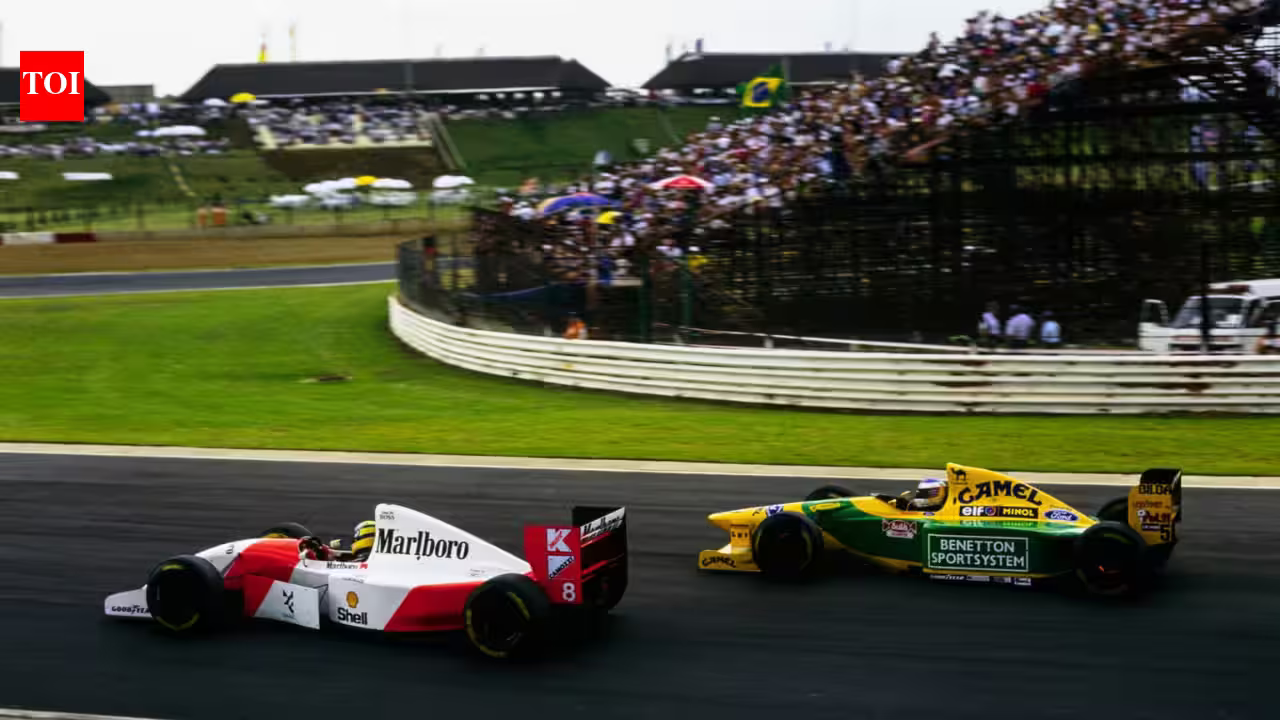
The announcement, delivered on Tuesday, brings an end to years of speculation regarding which venue would be the one to bridge the gap between F1 and its African fanbase. The last time the circus touched down on African soil was in 1993 at the iconic Kyalami Circuit in South Africa. Since then, the sport has expanded aggressively into the Americas, Asia, and the Middle East, but the glaring absence of an African race has remained a topic of persistent discussion among fans, drivers, and governing bodies alike.
A Vision for Bugesera: Building from the Ground Up
Unlike many historic circuits that rely on heritage and existing road networks, Rwanda has committed to a bold, forward-looking infrastructure project. The Grand Prix will be held at a purpose-built, state-of-the-art circuit to be constructed in Bugesera, located approximately 40 kilometers south of the capital city, Kigali.
Strategically positioned adjacent to the new Kigali International Airport, the circuit is designed to be more than just a temporary racing venue. According to project details, the facility is intended to serve as a year-round hub for motorsport, large-scale conferences, and major entertainment events. The Rwandan government views the development as a catalyst for long-term economic growth, expecting the project to drive significant international investment and elevate the nation’s profile as a premier destination for global tourism and technology. Construction of the circuit is expected to reach completion in the early 2030s, with the inaugural race date currently held in anticipation of upcoming technical milestones.
A Landmark Moment for Global Expansion
For Formula 1 President and CEO Stefano Domenicali, the partnership represents the fulfillment of a strategic goal that has been high on the sport’s agenda for years.
“Today is a landmark moment for Formula 1,” Domenicali stated following the signing ceremony. “With Rwanda joining the calendar from the next decade, our sport will race in every inhabited continent, bringing the World Championship closer than ever to fans around the globe.”
Domenicali emphasized that the decision to partner with Rwanda was not taken lightly. He noted that the sport’s leadership was waiting for the right moment, the right partner, and a vision that extended well beyond a fleeting race weekend. “Africa has always been a part of our future. We wanted to return with a long-term commitment and a clear, meaningful impact,” he added, extending his gratitude to the Rwandan government, President Paul Kagame, and FIA President Mohammed Ben Sulayem for their collaborative efforts in bringing the proposal to life.
Rwanda’s Bold Ambition: Beyond the Podium
President Paul Kagame has been instrumental in positioning Rwanda as a rising powerhouse in international sports and diplomacy. For Kagame, the agreement is about far more than the roar of V6 hybrid engines. He views the Grand Prix as an investment in the next generation of African talent.
“Today belongs to Africa,” President Kagame declared. “For more than three decades, the world’s premier motorsport championship has raced without this continent, and that changes with this agreement.”
Kagame highlighted the educational and vocational opportunities the facility will provide for Rwandan youth. He expressed a strong desire for the project to inspire a new wave of African engineers, technicians, entrepreneurs, and drivers who might otherwise never have had access to such a high-tech industry. “Our aim was never a single race weekend, but a lasting benefit for our people,” Kagame said. By integrating the circuit with the new airport and surrounding business hubs, the Rwandan government is positioning the venue to be a permanent economic engine for the region.
What Lies Ahead?
As the dust settles on the initial announcement, the racing world now turns its eyes toward the development phase. While the 10-year framework is locked in, the logistical complexities of bringing a modern F1 track to life from the ground up are significant. Stakeholders will be closely monitoring updates on the circuit’s design, safety certifications from the FIA, and the eventual race calendar scheduling.
While fans will have to wait until the early 2030s to see the grid line up in Bugesera, the news has injected a renewed sense of excitement into the Formula 1 community. After years of hoping for an African return, the sport has finally turned a corner, ensuring that the next chapter of F1 history will be written in the heart of Rwanda. With the goal of “bringing the world to Africa,” all eyes are now on Kigali, where the construction of a new era of motorsport is about to begin.
Disclaimer: This content is auto-generated for informational purposes only.
Source: Read Original News