






Beyond the Rain: Why Luxury Travelers are Flocking to Africa’s ‘Green Season’
For years, the travel industry has battled a persistent myth: that a safari between November and April is a wash-out. However, as discerning travelers increasingly prioritize exclusivity and unique wildlife phenomena over traditional peak-season crowds, the perception of Africa’s “Green Season”—also known as the “Emerald Season”—is undergoing a radical transformation.
Savvy travel advisors are now capitalizing on this shift, moving away from the “rainy season” narrative to highlight the high-value, lower-competition experiences that define these months. According to industry experts, the secret lies in regional expertise and moving past the client’s assumption that “wet” equates to a “wrong” season.
The Myth of the Perpetual Downpour
While the Green Season is defined by the arrival of rains following the dry winter, it is rarely a case of constant rainfall. In many regions, the weather follows a pattern of dramatic, short-lived afternoon thunderstorms, often leaving the mornings clear, crisp, and perfect for game drives.
The timing varies significantly across the continent, offering diverse opportunities:
- Southern Africa: Countries like South Africa, Botswana, and Zambia generally experience rain from November to April, with peak intensity between January and March.
- East Africa: Operating on a different rhythm, East Africa sees “short rains” in November and December, a dry spell in January and February, and longer rains from March through May.
A Different Kind of Drama: Why Experts Recommend It
The true appeal of the Green Season lies in the natural wonders that simply do not occur during the dry winter months.
For many, the primary draw is the calving season. In Tanzania’s southern Serengeti and the Ndutu plains, hundreds of thousands of wildebeest calves are born between late January and March. This creates an intense, high-stakes theater of predator-prey interaction that is arguably more dramatic than the famous July river crossings. Similarly, the Kruger and Sabi Sands regions in South Africa witness a synchronized “impala birth” in November, a wildlife spectacle that is unparalleled in its concentration.
Beyond the wildlife, the Green Season offers:
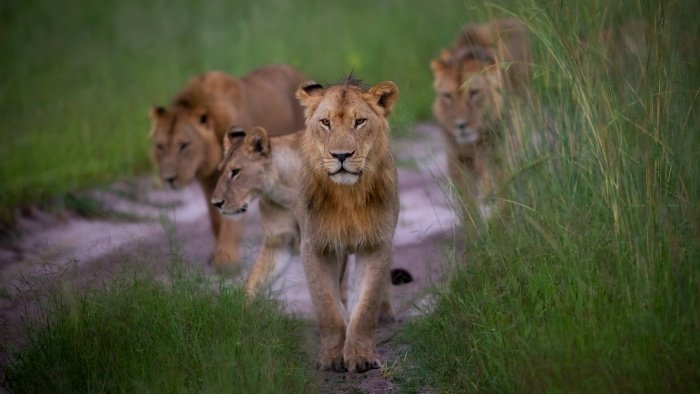
- Unrivaled Privacy: With lower visitor numbers, luxury camps and private reserves operate with a fraction of the vehicle density found in the peak months of July and August.
- Photographic Perfection: The landscape shifts from arid brown to lush, vibrant emerald, and the dramatic, moody “storm light” provides a backdrop for photographers that is unavailable at any other time of year.
- Exclusivity: With lower demand, travelers can often secure premium suites and highly sought-after camps at a more accessible price point than in the height of the dry season.
Shifting the Sales Strategy
Deon De Villiers, founder of Safari Guru and a veteran guide with over 15 years of experience, emphasizes that the Green Season should never be positioned as a “bargain” alternative.
“The advisors who do well with the safari travellers are increasingly booking Africa’s Green Season are the ones who can explain, region by region, exactly what a client will see that they wouldn’t in August,” says De Villiers.
To succeed in this market, advisors are advised to:
- Lead with the Experience: Focus on the calving, the migratory birdlife, and the unique flora, rather than the lower price point.
- Match Region to Priority: Direct privacy-seekers to the Okavango Delta, drama-seekers to Ndutu, and those wanting a mix of accessibility and adventure to the Sabi Sands.
- Manage Expectations on Guiding: Because vegetation is thicker, the need for top-tier tracking skills increases. Positioning a master guide as a vital part of the value proposition ensures clients feel empowered rather than hindered by the scenery.
- Prioritize Logistics: With some smaller, low-lying camps closing briefly for maintenance, early itinerary planning is essential to ensure seamless transitions.
As the travel landscape continues to evolve, the Green Season is shedding its reputation as a “compromise.” For the client seeking a deeper, more intimate connection with the African bush, it is fast becoming the preferred time to travel.