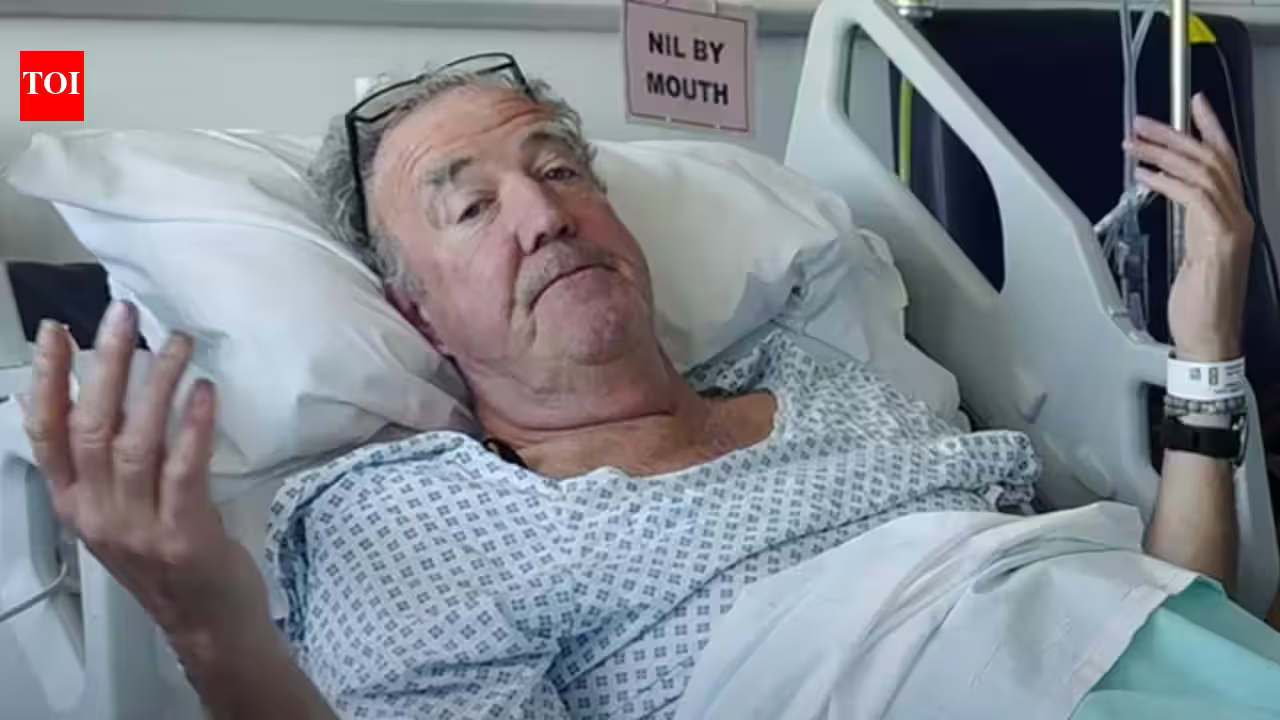









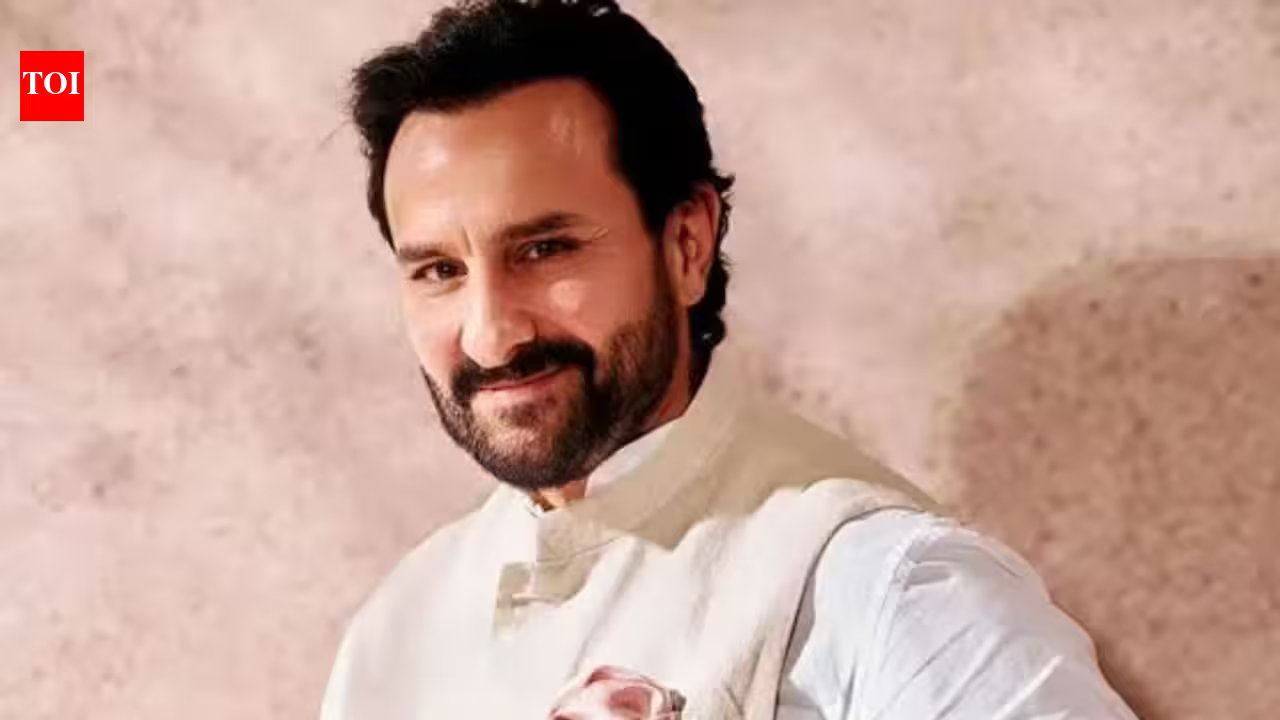
For decades, Saif Ali Khan has been the embodiment of the suave, accessible star. Whether he’s navigating the complexities of an ensemble period drama or leaning into his charismatic persona in a lighthearted rom-com, the public has always perceived him as being at ease. But on January 16, 2025, that sense of ease was shattered when a home invasion turned into a life-or-death struggle, leaving the actor with serious injuries and a permanently altered perspective on the fragility of his existence.
More than a year later, the scars—both physical and psychological—have prompted a rare moment of introspection from the Bollywood veteran. In a candid reflection on the night that changed everything, Khan admits that he is no longer the man who believed in an “open-door” lifestyle.
## The Night the Shield Broke
The incident, which saw an intruder infiltrate his Mumbai residence through a bathroom window, sounds like the script of a high-stakes thriller, but for Khan, it was a visceral, bloody reality. The scene turned chaotic the moment the intruder confronted his young son, Jeh, and their nanny. Acting on pure, protective instinct, the actor intervened, leading to a violent altercation that left him with wounds to his spine, neck, and hands.
“I wasn’t a big fan of security, and I quite liked an open thing,” Khan admitted in a recent interview. “But my takeaway is that there are a lot of haves and have-nots in the world, and you should not tempt fate.”
The transformation in his outlook is stark. For a man who built a career on being approachable and down-to-earth, the necessity of locking doors and compartmentalizing his life is a bitter pill to swallow. It represents a loss of innocence, a realization that the “open-door” philosophy he cherished is, in a world defined by inequality, perhaps a dangerous indulgence.
## Confronting the Reality of Inequality
Beyond the tactical shifts in his home security, the incident forced Khan to confront the societal fissures that likely catalyzed the attack. He doesn’t view the intruder as a cartoon villain; rather, he views the event through a lens of systemic despair.
“That’s the real kind of thing—you understand why this thing happened, because of inequality,” he noted. By acknowledging that his own privilege stands in such sharp contrast to the circumstances that might drive an individual to violence, Khan elevates the conversation from one of personal victimization to one of social awareness.
It is a rare take for an A-lister, who might otherwise focus on the breach of privacy or the violence of the act. Instead, Khan seems to be processing the trauma by grappling with the macro-realities of his environment, acknowledging that his safety is a luxury that is not afforded to everyone.
## The “Warrior’s Death” and the Clarity of the End
Perhaps the most haunting aspect of his account is his description of the moments he believed he was dying. When the knives were drawn and blood was everywhere, the adrenaline didn’t bring panic—it brought a strange, crystalline clarity.
“I remember feeling at one point that this must be it, but I also remember thinking it’s been an amazing life,” Khan recalled. He speaks of a “warrior’s death”—a philosophical detachment that allowed him to catalog his gratitude even as the threat to his life reached its zenith.
This sense of peace in the face of oblivion is what haunts him most now. He admits that the emotional weight of the event actually feels heavier with time. As the shock subsides, the terrifying proximity to the end remains, a constant reminder of how quickly the curtain can fall. It’s an “amazing life” he is grateful to still be living, but the knowledge of how close he came to losing it is a weight he now carries daily.
## A Stance of Radical Forgiveness
In a culture that often demands retribution, Khan’s stance on the perpetrator is arguably the most surprising element of his healing process. While many would be consumed by righteous fury, the actor has spoken openly about his desire to forgive.
“I even want to forgive this guy because I think he made a huge mistake, and I don’t think he was even looking for a fight,” he explained.
This isn’t an attempt to minimize the horror of the attack or the trauma inflicted upon his family. Instead, it seems to be an act of self-preservation. Holding onto hate, for Khan, would mean allowing the intruder to continue taking things from him—long after the physical fight in his living room ended. By choosing forgiveness, he is effectively reclaiming his narrative, refusing to be defined as a victim of a vengeful saga.
## Life After the Breach: A New Normal
So, what is left for the man who saw his life flash before his eyes in his own nursery? For Saif Ali Khan, it is a life of “guarded gratitude.” He remains the thoughtful, articulate artist he has always been, but he is now seasoned by a profound awareness of vulnerability.
The security guards may stand at his gate, and the doors may be bolted, but the real change is internal. He has moved past the shock of the stabbing and into a deeper phase of life—one where the luxury of existence is never taken for granted, and the shadows of the world are acknowledged rather than ignored.
Ultimately, Khan’s story is a reminder that even for those who seem to live charmed, untouchable lives, the reality of the human condition is universal. We are all living on the edge of the unexpected. The difference, as Khan has learned, is in how we choose to move forward once we’ve stared into the abyss and realized we weren’t quite ready to jump.
Disclaimer: This content is auto-generated for informational purposes only.
Source: Read Original News