







The Truth Behind Your Pantry Staples
We all have that one product in our kitchen cabinet that makes us feel like a professional chef, even if we are just boiling pasta or scrambling eggs. For many, that item is the elegant white box of pyramid-shaped salt flakes that sits proudly on the counter. It has become a hallmark of a well-stocked home, appearing in the cookbooks of household names and gracing the tables of top-tier restaurants. However, recent reports about how this famous seasoning is produced have left many home cooks scratching their heads.
The discovery that this premium product uses imported rock salt from Germany, rather than relying solely on the waters of the Essex coast, has sparked a conversation about transparency. While the brand has been operating for well over a century, the revelation that its signature crystals involve a process of dissolving imported mineral salt into local water has caught many loyalists off guard. It serves as a gentle reminder that even the most trusted brands carry stories behind the labels that we rarely stop to examine.
Why We Love the Crunch
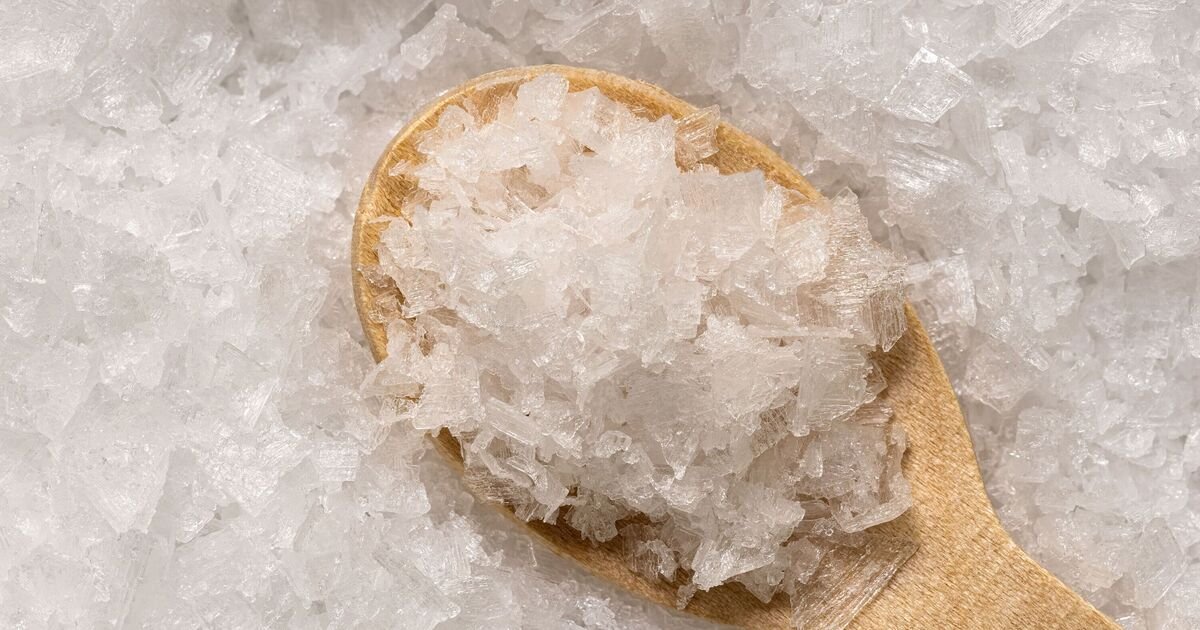
Setting aside the manufacturing details, there is a reason this specific brand became a staple. It is all about the texture. The signature pyramid shape provides a satisfying crunch that elevates a simple tomato salad or a slice of avocado toast from ordinary to special. Culinary experts often suggest that texture is just as important as taste, and these delicate flakes offer a burst of salinity that does not overwhelm the palate.
When you use high-quality finishing salt, you are really paying for that specific mouthfeel. Whether it is sprinkled over a dark chocolate brownie or used to finish a piece of grilled fish, the way the crystals shatter on the tongue is part of the culinary experience. While it is true that you can find cheaper alternatives in the supermarket aisle, many shoppers feel that the unique shape and the slow-dissolving nature of these particular flakes make the price difference worth it.
Reading the Fine Print
The recent news highlights a growing trend in our shopping habits: we are finally paying attention to the back of the packaging. We are becoming more curious about where our food originates and how it is processed. This is a positive shift for any home cook. By being more inquisitive, we learn to look past the branding and the beautiful aesthetic of a box to understand what we are actually buying.
When you are grocery shopping, try to spend an extra minute looking at the ingredient lists or the “produced in” labels. It is not about being cynical, but rather about being an informed participant in your own kitchen. Knowing how your food is made helps you appreciate the effort that goes into your meals, and it might even lead you to discover other local producers who might be operating in your own backyard.
Simple Ways to Elevate Your Home Cooking
You do not necessarily need expensive pantry items to create a delicious meal. If you find yourself rethinking your salt purchases, consider exploring other ways to bring brightness to your dishes. Sometimes, the secret to a great meal is not a fancy ingredient, but rather the way you balance acidity or heat.
A squeeze of fresh lemon, a dash of high-quality olive oil, or a handful of fresh herbs from a windowsill garden can transform a plate of food just as effectively as a gourmet finishing salt. If you have been relying on one specific brand to carry the weight of your cooking, try experimenting with others or focusing on fresh, seasonal ingredients that provide their own complexity. Cooking is a constant learning process, and every new piece of information we gain allows us to refine our technique and become more confident in our culinary choices.
Staying Curious in the Kitchen
At the end of the day, food is meant to be enjoyed. While it is important to be aware of what we buy, we should not lose sight of the joy that comes from preparing a meal for family or friends. Whether you decide to stick with your current salt brand or look for a new source, the most important part of the kitchen remains your own creativity.
Keep experimenting, keep reading those labels, and most importantly, keep cooking things that make you happy. A little extra knowledge about our pantry staples only makes us more skilled at our craft. By staying curious, we ensure that our kitchen remains a place of discovery, where every meal is an opportunity to learn something new and try something different.
Disclaimer: This content is auto-generated for informational purposes only.
Source: Read Original News