






The Strategic Shift Behind Xbox Restructuring
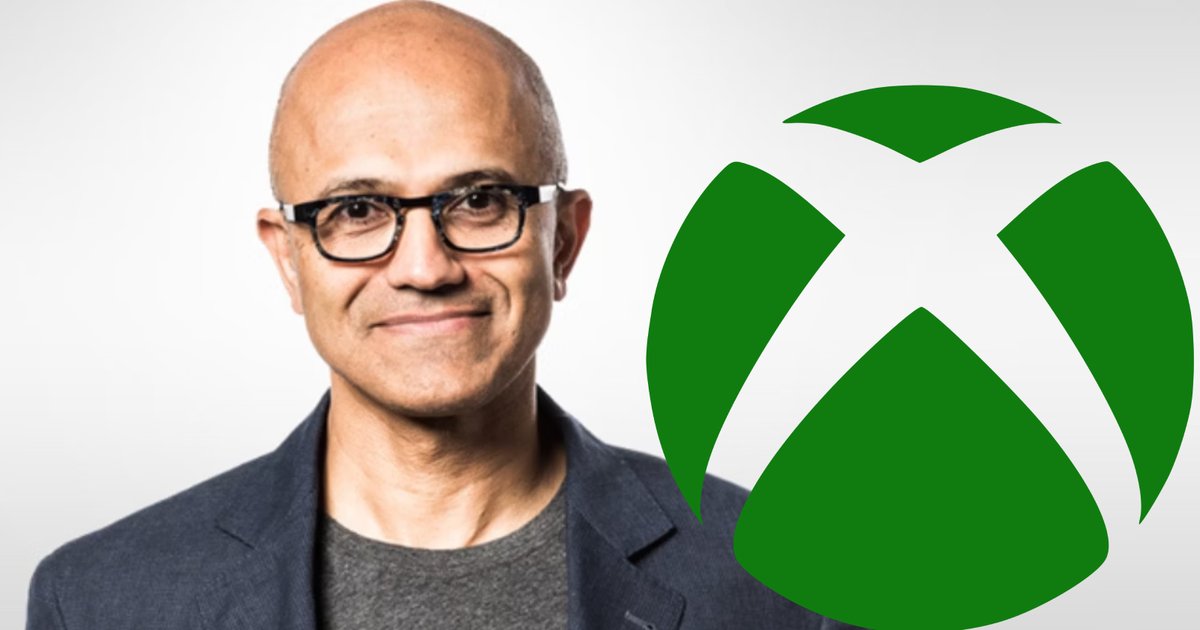
The gaming industry is currently navigating a period of profound recalibration, and Microsoft’s Xbox division sits at the epicenter of this transformation. Following a series of significant organizational changes, Microsoft CEO Satya Nadella has publicly reaffirmed his confidence in the brand’s trajectory. These developments, led by Xbox CEO Asha Sharma, are framed by leadership as a necessary process of streamlining to ensure long-term viability in a competitive digital landscape. While the industry faces economic headwinds, Microsoft is prioritizing the consolidation of its intellectual property (IP) and the creation of a more sustainable business model to reach a broader global audience.
The recent restructuring efforts represent the most extensive reorganization in the history of the Xbox brand. By moving away from a siloed studio model toward a more integrated framework, Microsoft aims to maximize the efficiency of its development pipelines. This shift includes notable organizational changes, such as the reassignment of established studios like World’s Edge and the Halo team under the Activision umbrella, as well as the transition of Obsidian Entertainment under Bethesda’s oversight. These structural maneuvers are intended to reduce operational friction and foster better resource allocation across the massive portfolio of titles that Microsoft now manages.
Optimizing the Intellectual Property Portfolio
At the core of Nadella’s optimism is the strength of Microsoft’s current IP catalog. With the acquisition of Activision Blizzard and the expansive library of Bethesda and ZeniMax, Xbox possesses one of the most diverse arrays of gaming franchises in the world. However, the sheer scale of this portfolio creates challenges in production management and financial sustainability. The ongoing streamlining process is explicitly designed to address these challenges, ensuring that the company’s capital and creative energy are focused on high-impact projects that can perform consistently in both the PC and console markets.
The technical goal is to transition from a volume-heavy strategy to one of curated excellence. By tightening the alignment between studios, Microsoft intends to minimize the time-to-market for its marquee releases. This strategy involves identifying which internal teams are best suited for specific genres and technical requirements, effectively removing redundant administrative layers that can slow down development cycles. For the consumer, this suggests a future where the release cadence of major Xbox titles becomes more predictable and refined, reducing the reliance on massive, long-term speculative development.
Navigating Workforce Reductions and Structural Efficiency
The transition has come at a considerable human cost. Recent reports indicate that thousands of employees across the Xbox division have been affected by layoffs, including significant staff reductions at specialized studios such as Undead Labs and the impending closure of units like Ninja Theory. While leadership characterizes these actions as essential for operational efficiency, they represent a stark turning point in the culture of a division that was previously known for rapid expansion and aggressive acquisition.
From an organizational perspective, these cuts reflect a shift toward a leaner management style. By permitting studios such as Double Fine and Compulsion Games to regain independence, Xbox is attempting to foster a more agile development environment that does not rely on the heavy overhead of large corporate integration. This approach is intended to preserve the creative identity of smaller studios while allowing Microsoft to maintain a publishing partnership, effectively balancing creative autonomy with the security of a large-scale platform provider.
Defining a Sustainable Business Model
A primary driver for the current restructuring is the objective to reach a wider demographic. To succeed, the Xbox team is focusing on a business model that bridges the gap between traditional console hardware and the burgeoning PC gaming market. Satya Nadella has emphasized that the goal is to serve as a platform provider that supports users regardless of their hardware choice. This agnostic approach to gaming is critical for future growth, as it lowers the barrier to entry for players who do not wish to purchase a dedicated console.
The plan for the upcoming fiscal year relies on the integration of these streamlined teams to boost growth. By refining how games are delivered, marketed, and supported, the company aims to move beyond the traditional hardware cycle. This involves leveraging cloud-based services and cross-platform architecture to ensure that the content produced by Xbox Game Studios reaches the widest possible audience. The focus is no longer just on selling hardware units; it is on establishing a pervasive ecosystem where Xbox titles remain accessible and relevant across various devices and regions.
The Outlook for Xbox and the Gaming Market
Looking forward, the success of these initiatives will be measured by the ability of the reconstituted teams to maintain consistent quality while keeping development costs under control. Microsoft’s leadership appears convinced that the current pain associated with restructuring is a prerequisite for achieving profitability in a maturing industry. The consolidation of studios under central entities like Bethesda or Activision provides a clear hierarchy that allows for centralized technical support, shared engine technologies, and collaborative play-testing frameworks that were previously difficult to coordinate.
Despite the turbulence of the past year, the underlying message from the top of the organization remains steadfast. By shedding excess operational weight and focusing on high-value IP, the Xbox brand is positioning itself to lead in an era where game development is increasingly complex and expensive. For developers and players alike, this period of transition marks a move away from the hyper-growth phase of the past decade toward a more calculated, efficiency-driven future. Whether this strategy will yield the desired growth remains to be seen, but the intent to build a more durable, sustainable, and platform-agnostic business is clearly defined in the current roadmap.
Disclaimer: This content is auto-generated for informational purposes only.
Source: Read Original News