

The environmental fallout from ongoing military conflict in Lebanon has reached staggering proportions, with damages exceeding $512 million for the 2023–2024 period alone. This figure, confirmed by Lebanese Prime Minister Nawaf Salam, represents only a portion of the total ecological devastation, as further losses continue to mount throughout 2026.
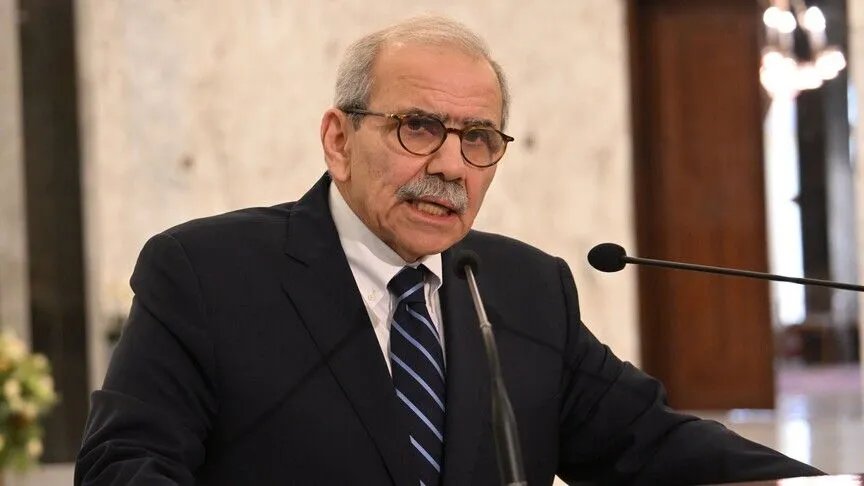
Addressing global leaders at the COP31 United Nations climate summit in Antalya, Turkey, on Thursday, Prime Minister Salam highlighted the intersection of regional conflict and environmental degradation. He characterized the destruction as a multifaceted crisis, noting that years of economic instability, compounded by the direct physical toll of sustained attacks, have decimated Lebanon’s agricultural heartlands, forests, and critical ecosystems.
“Environmental losses resulting from Israeli attacks in violation of international humanitarian law exceeded 512 million US dollars in 2023-2024, with further losses incurred in 2026,” Salam stated during his address. He warned that the impact of these events is not merely a contemporary issue but a long-term burden that will constrain the country’s natural resources and threaten the livelihoods of rural communities for decades to come.
The damage described by the Prime Minister goes beyond immediate infrastructure repair. In regions where military operations have been concentrated, the use of weaponry has led to significant soil contamination, the loss of ancient olive groves, and the destruction of biodiversity-rich forest cover. These landscapes, which serve as both economic assets and vital carbon sinks, are now struggling to recover.
In his speech to the international assembly, Salam emphasized that Lebanon’s path forward requires a shift in how reconstruction is viewed. He argued that the current framework for post-conflict recovery often prioritizes the rebuilding of housing and transportation networks at the expense of ecological health. He urged the international community to recognize that long-term stability in Lebanon is inextricably linked to the rehabilitation of its natural environment.
“Lebanon insists that environmental restoration and climate resilience be integral to reconstruction, alongside stability, the restoration of our sovereignty, and respect for international law,” Salam said. By framing environmental recovery as a pillar of national security and sovereignty, the Prime Minister is calling for a more holistic approach to aid—one that integrates climate adaptation strategies into the broader reconstruction agenda.
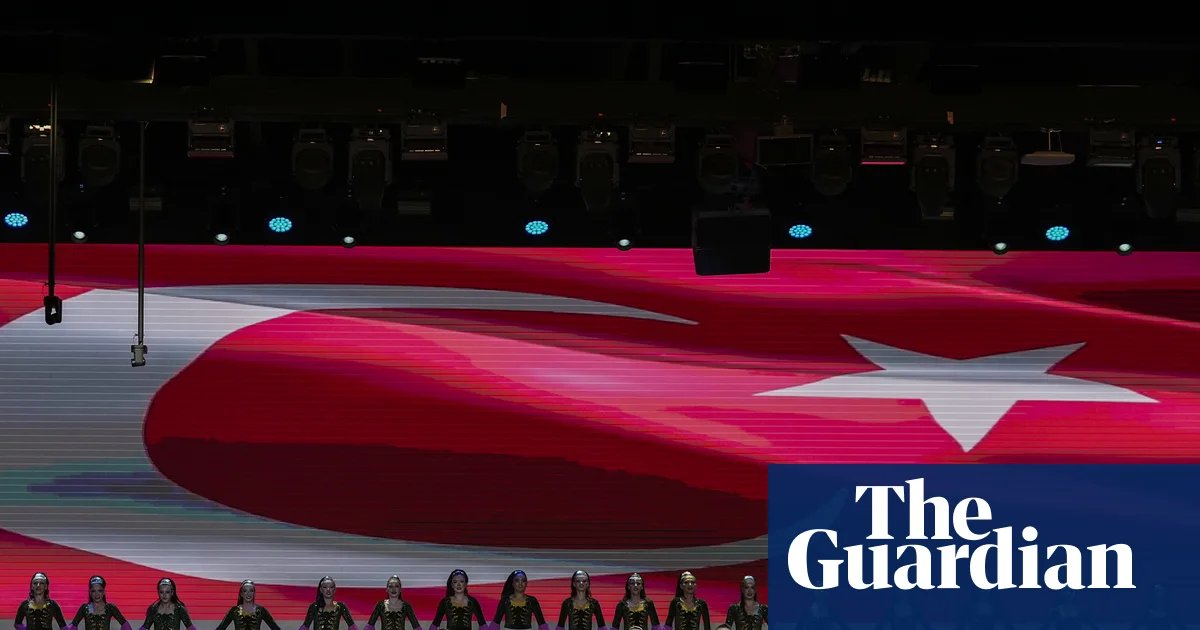
The climate summit in Antalya, which began on Monday and is scheduled to conclude on November 20, serves as a critical forum for discussing climate financing and global adaptation strategies. As representatives gather to negotiate greenhouse gas reduction targets, the situation in Lebanon serves as a stark reminder of how military conflict disrupts progress toward global sustainability goals.
The environmental damage in Lebanon acts as a force multiplier for the country’s existing socio-economic vulnerabilities. With agricultural land compromised and forest ecosystems fragmented, the country faces significant challenges regarding food security and water management. Prime Minister Salam’s address serves as an appeal for global solidarity, urging negotiators to ensure that countries facing the dual pressures of economic collapse and conflict-driven ecological loss are not excluded from essential climate support and restoration initiatives.
As the summit proceeds, the data presented by the Lebanese delegation underscores the urgent need for a mechanism that accounts for environmental damage incurred during conflicts. With the total bill for ecological restoration expected to climb, the international response in the coming days will be viewed as a test of whether global climate frameworks can adapt to address the specific, severe environmental consequences of regional instability.
Disclaimer: This content is auto-generated for informational purposes only.
Source: Read Original News