







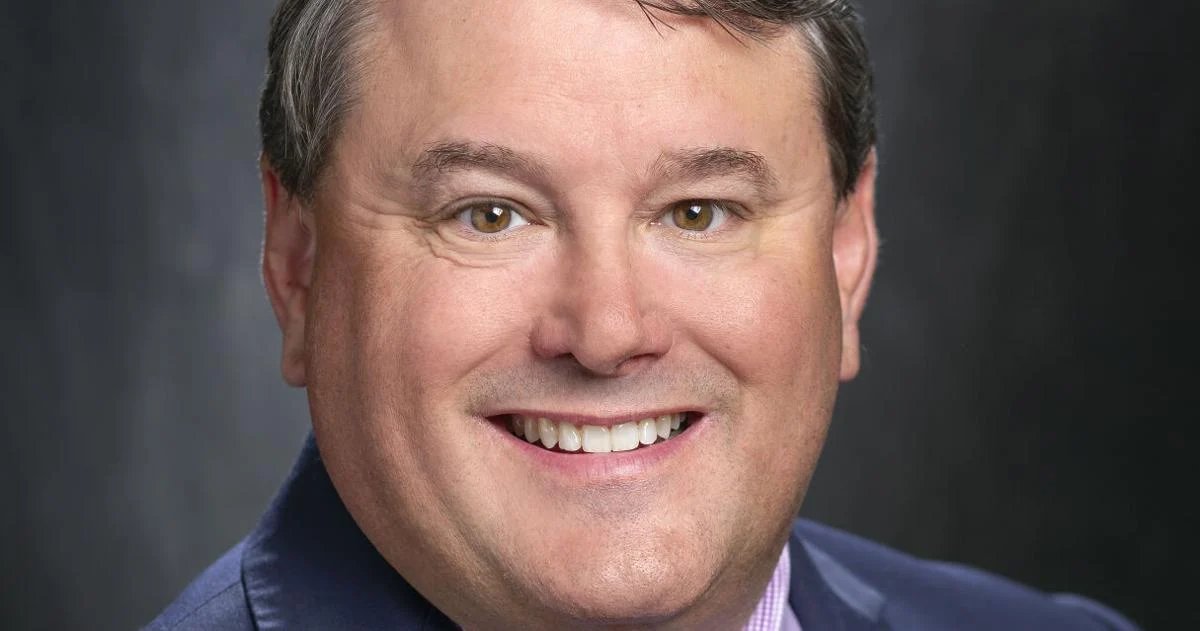
Scott Ballard began his career more than 30 years ago as a Smoothie King franchisee. Over the years, he and his brothers, Paul and Steve, acquired more locations and added more brands, including PJ’s Coffee, deepening their knowledge of the food service sector in the process.
Today, the brothers own Ballard Brands, a fast-casual dining company based in Covington that owns PJ’s Coffee and WOW American Eats, as well as several smaller brands. The company operates more than 200 restaurants in 30 states and has revenues of $40 million, not including sales at franchise-owned outlets.
The Ballard brothers also co-own Ballard Hospitality, a logistics company that provides “lifestyle services,” including food, housing and laundry, to disaster relief sites and camps. Amid an industrial building boom across the state with new LNG and artificial intelligence data centers under construction, Ballard Hospitality is killing it at the moment, with revenues that will likely approach $100 million by year’s end, though that figure varies widely from year to year.
Besides running two companies, Scott Ballard is heavily involved at the intersection of business and policy, serving as chair of the Louisiana Association of Business and Industry. He’s also a member of the LSU Board of Supervisors and a past chair.
In this week’s Talking Business, Ballard opens up about what Louisiana needs to do to become more business-friendly, where he sees progress and what keeps him up at night.
Interview has been edited for length and clarity.
What is the biggest challenge of growing food companies in Louisiana?
Keeping them in the state. That’s mainly because when you get to a certain size, recruiting the top executives to Louisiana is difficult. You saw that with Popeyes and Smoothie King, which left decades ago. Other chains that started here, like Raising Cane’s, have kept corporate offices but moved their operations center to Dallas, where the quick-service restaurant sector is based. It’s tough, but I think it’s changing, and we’re committed to staying here.
How? What’s improving that would keep them and other companies here?
Some of the recent changes to our tax code and to legal reform have helped. From a business perspective, companies want low risk and a stable tax base. Our tax law is convoluted. Most companies grade us poorly on that. Companies also want to know crime is OK. We lost a lot of opportunities because of public safety concerns. We are fixing that now. We need to keep working on it.
What else do you hear from companies when you meet with them? What do they want that they are not getting here?
Our law, our civil code is perceived a problematic. It has always been complex or corrupt — or at least perceived as such. Right, wrong or indifferent, we need to change certain parts of it and follow the lead of Texas, Tennessee, Arkansas and even Mississippi, which have all made changes to meet the needs of businesses and started creating business-friendly climates.
What have LABI’s priorities been this session?
Early childhood education is a big one. You want to help families in poverty? Make sure you take care of early childhood education. The state has been focused on that for a while. I think that is why you’re finally starting to see test scores improve slightly. It’s starting to pay off. We also want to start paying teachers more. When you pay your teachers better, the workforce gets better.
The governor has done a very good job making sure we are bringing manufacturing jobs here, like with the Hyundai steel mill in Donaldsonville. LABI is working to help attract more companies like that.
Tort reform was a major thing last year that we are always fighting for. Insurance rates are another big issue and workers’ comp. There are providers charging 10 times more to treat work-related injuries than Ochsner or LCMC. Why is it not consistent? We need to get a handle on the outliers. They are driving our workers’ comp rates through the roof.
Is LABI still the all-powerful voice of the business community it once was in Baton Rouge?
Yes, I think we’re very powerful. I think we are less political today than maybe we used to be, and I think that is a good thing. But our membership is strong — from small companies like mine to Shell and Exxon. We did have a little dip a couple of years ago and we had to retool. But today we are strong.
Often pro-business, pro-industrial policies come at the expense of the environment in a state where climate vulnerabilities are very real. How do you square that?
Whether you think it has an effect or not, the emotional effect of people thinking our climate is not good is not good. Things like the recent climate study (covered internationally by The Guardian) definitely hurts the perception that this is not a good place to do business. I don’t mind the truth but you also need to give the other side and offer solutions, give hope.
One thing that is helping with the perception people have about us is the job the governor and Louisiana Economic Development are doing to make this state more business-friendly. Susan Bourgeois is doing a phenomenal job as LED secretary. You can see the difference. The state has a plan and is executing on that plan. They understand that if you are going to bring companies here you have to support them. You have to have a trained workforce they can hire.
What keeps you up at night?
Education and crime used to keep me up at night, but I really feel like we’re moving in the right direction, making strides in both of those areas. Workforce remains our biggest challenge, so I spend a lot of time thinking about that. The other thing that keeps me up at night is power, energy. We have a lot of opportunities around the state right now to grow. We have to make sure we have enough energy to meet the demand.