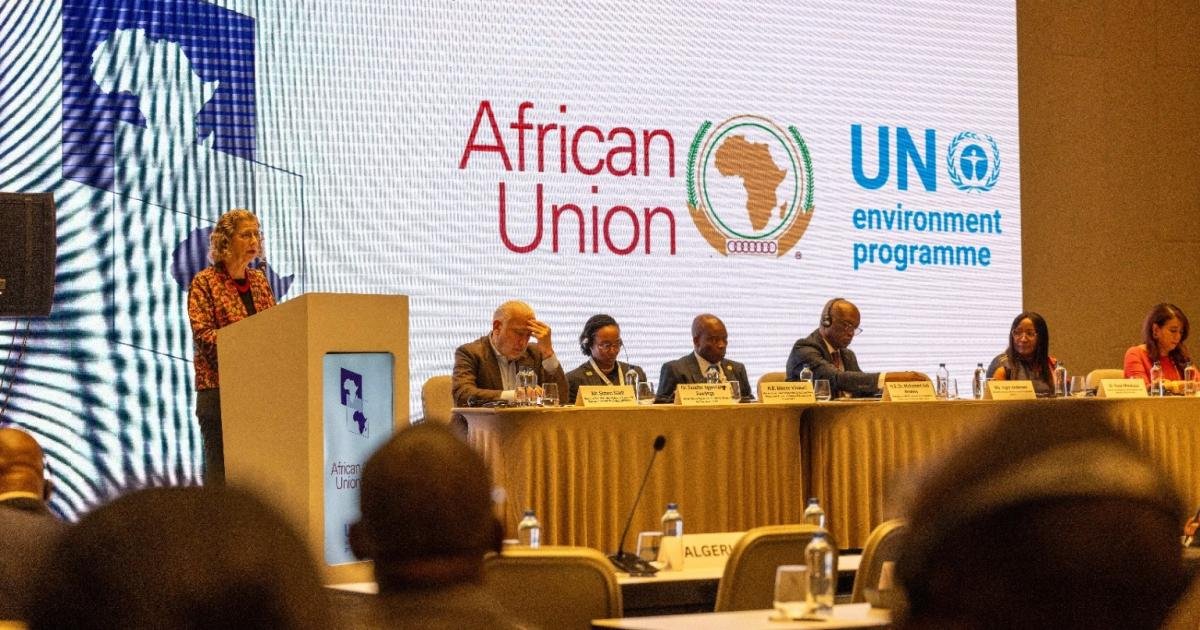








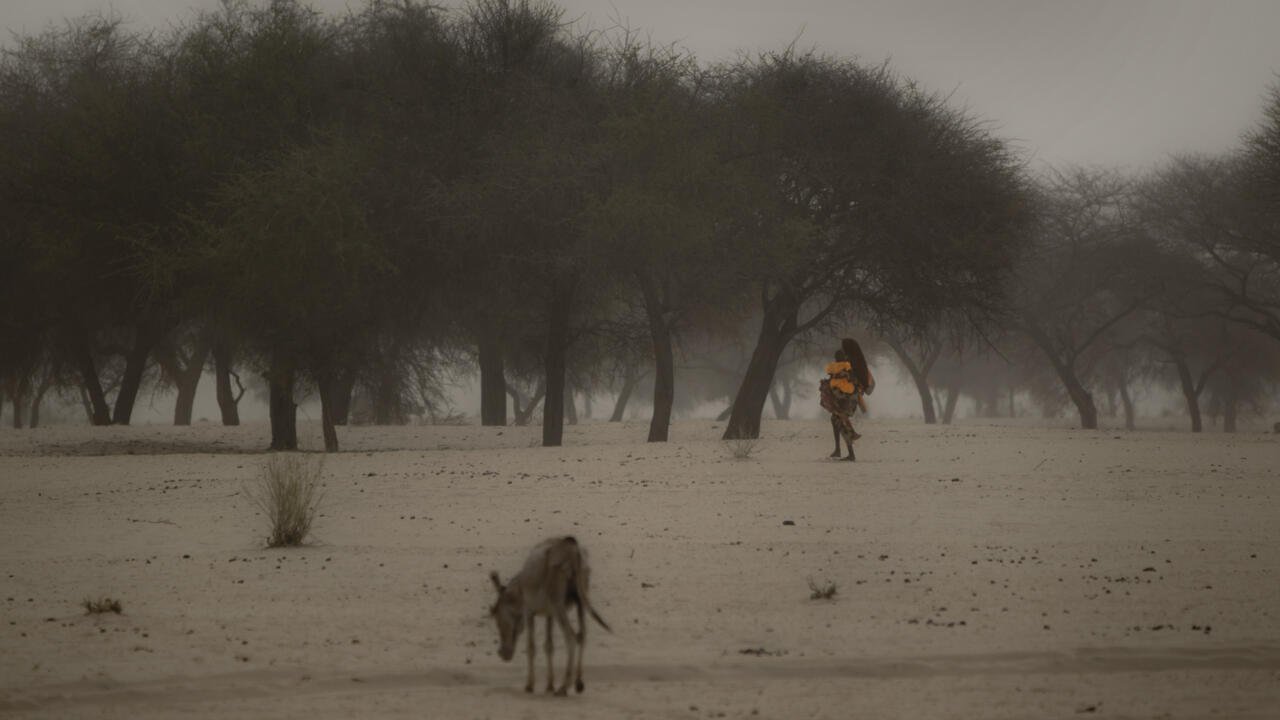
ANTALYA, Turkey – As world leaders gather at the COP31 United Nations climate summit, a sobering narrative has emerged from the proceedings: Africa’s most vulnerable populations are facing a mounting health crisis driven by rising temperatures. Experts warn that the continent’s health systems remain critically ill-equipped to handle the surge in heat-related illnesses, with women and children bearing the heaviest burden.
The reality of this climate shift is felt daily by individuals like Kerina Akinyi Gombe, an early childhood educator from Kisumu County in western Kenya. For Gombe, the simple act of fetching water has become a high-stakes endurance test. She now forces herself to complete household chores and farm work during the early morning or late evening hours to avoid the debilitating effects of midday heat. “Sometimes, when I am doing household chores, I feel fatigued and dizzy because of the heat,” Gombe shared at the summit, highlighting a struggle that is both biological and socio-economic.
The scientific data supports her experience. According to the 2026 report by the Lancet Countdown on Health and Climate Change, people globally faced an average of 13.5 heatwave days in 2025—a figure 83 percent higher than it would have been in the absence of climate change. For Africa, the economic and physical costs are profound, with heat-related income losses totaling 3.2 percent of the continent’s GDP.
The dangers are most acute for pregnant women and newborns. Professor Marina Romanello, executive director of the Lancet Countdown, warned that extreme heat exposure is linked to significant maternal complications, premature births, and stillbirths. Research published in Nature Medicine underscores this, revealing that in four sub-Saharan African countries, maternal exposure to extreme heat in the week preceding birth resulted in a 34 percent higher risk of stillbirth or neonatal death. A Wellcome Trust survey of maternity staff across five countries, including Zimbabwe, confirmed that 73 percent of healthcare workers are already seeing an increase in heat-related pregnancy complications.
Children, too, are struggling to function in classrooms ill-suited for a warming planet. Alana Nicky Chelangat, a 14-year-old student from Nairobi, described the difficulty of preparing for national examinations as temperatures in the capital soared in October. “I felt dizzy and weak. It was difficult. We could not even play outside,” she said. Many schools in the region feature corrugated iron roofing, which absorbs solar radiation and turns classrooms into ovens, making concentration nearly impossible for students.
Wessam Mankoula, a physician and head of the Continental Incident Management Support Team at the Africa Centres for Disease Control and Prevention (Africa CDC), noted that heatstroke cases in susceptible regions of Africa are occurring at a rate 15 times higher than in other parts of the world. “We need finance to strengthen health systems and make them resilient,” Mankoula stated, emphasizing that the burden of paying for these adaptations should fall on the nations most responsible for historical global warming.
While top-level negotiations at COP31 continue, grassroots solutions are being spearheaded by the youth. Chelangat has developed “Dunia Alerts,” a web-based application designed to send automated warnings to schools via WhatsApp. By providing forecasts and safety advice—such as increased water intake and avoiding outdoor exertion—she hopes to mitigate the impact of heat waves before they strike.
For educators like Gombe and students like Chelangat, however, these individual efforts are merely a stopgap. As the climate continues to shift, they argue that the focus must shift to structural change: upgrading school infrastructure, investing in medical training, and securing the international climate finance necessary to transform Africa’s healthcare systems into a robust defense against a hotter future.
Disclaimer: This content is auto-generated for informational purposes only.
Source: Read Original News