








Strategic Evolution of the Indian Capital Markets
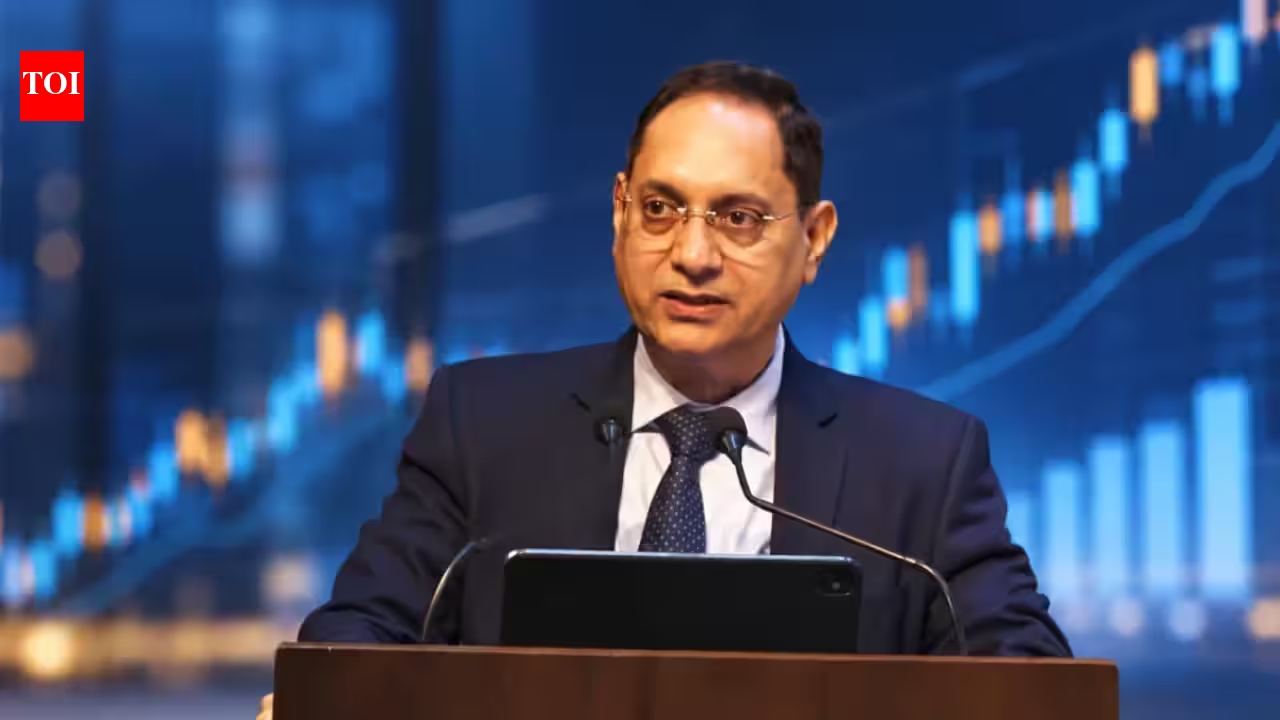
The Indian capital markets have witnessed an unprecedented surge in retail participation, digital adoption, and overall market capitalization over the past few years. As the Securities and Exchange Board of India (SEBI) navigates this growth, the focus remains on balancing innovation with robust systemic stability. Recent commentary from SEBI Chairman Tuhin Kanta Pandey highlights a measured approach toward market evolution, prioritizing the refinement of existing frameworks—such as the Stock Lending and Borrowing Mechanism (SLBM)—over sweeping changes that could introduce unnecessary volatility.
The global landscape of finance is currently characterized by high levels of interconnectedness, where technological advancements and cyber threats operate without regard for national borders. In this context, SEBI’s strategy involves studying international best practices to ensure that the Indian regulatory ecosystem remains resilient. By evaluating diverse SLBM models from mature markets, the regulator aims to craft a system that enhances market depth and efficiency while maintaining the transparency that defines the Indian exchange-based infrastructure.
Refining the Stock Lending and Borrowing Mechanism
The Stock Lending and Borrowing Mechanism is a critical component for a healthy equity market, providing investors with the ability to lend their idle securities for a fee or borrow them to cover short positions or meet delivery obligations. Historically, SLBM in India has seen varying levels of adoption. To unlock the full potential of this tool, SEBI is actively benchmarking international frameworks.
The regulator’s stated preference for transparent, exchange-based models is significant. In many global jurisdictions, stock lending often occurs in opaque, over-the-counter (OTC) environments, which can lead to information asymmetry and counterparty risks. By advocating for an exchange-centralized approach, SEBI seeks to ensure that price discovery is accurate and that risks are mitigated through clearing corporations. This commitment to structure reflects a broader philosophy of maintaining market integrity even as the complexity of trading strategies increases among domestic participants.
The Debate on Trading Hours and Market Liquidity
A recurring topic in discussions regarding the modernization of Indian financial markets is the extension of trading hours. While some market participants advocate for longer sessions to align with global trade cycles or to provide greater accessibility for working professionals, the regulator remains cautious. SEBI has effectively ruled out an immediate extension, citing significant operational and systemic concerns.
From an analytical standpoint, extending trading hours introduces the risk of fragmented liquidity. If trading windows are stretched, volume may disperse across a longer timeline, potentially leading to lower liquidity at specific intervals and increased price volatility. Furthermore, the operational burden on market infrastructure institutions—such as stock exchanges, depositories, and clearing corporations—would be substantial. The requirement for round-the-clock cybersecurity monitoring and the risk of heightened overnight volatility present clear challenges. SEBI’s stance suggests that until the market infrastructure can ensure equivalent levels of safety and depth during extended sessions, the current structure remains the most prudent path to preserve stability.
Technology, AI, and Regulatory Governance
The integration of Artificial Intelligence (AI) and advanced analytics into market operations represents both a transformative opportunity and a complex governance challenge. SEBI acknowledges that these technologies are indispensable for modern market surveillance, risk detection, and investor protection. AI-driven monitoring can process vast datasets in real-time, allowing regulators to identify manipulative patterns or systemic anomalies that might escape manual oversight.
However, the rapid deployment of AI also brings new categories of risk. Model reliability is a primary concern; if an algorithm functions based on flawed data or unexpected correlations, it could trigger cascading failures. Additionally, the industry’s dependence on a concentrated group of technology providers introduces a form of systemic dependency that warrants careful scrutiny. SEBI’s focus on data governance and cybersecurity underscores the necessity of a regulatory framework that encourages technological innovation while ensuring that safeguards are sufficiently robust to prevent technical malfunctions from evolving into financial crises. The challenge for the regulator lies in fostering a culture of innovation without allowing governance standards to lag behind the speed of implementation.
Cross-Border Challenges and Financial Stability
In an era of globalization, the Indian market cannot be viewed in isolation. Cyber threats, market fluctuations in major economies, and the integration of cross-border financial linkages mean that the stability of the Indian market is intrinsically tied to global developments. SEBI’s engagement with international bodies, such as the World Federation of Exchanges (WFE), serves as a strategic channel for knowledge sharing and regulatory alignment.
The objectives shared by global regulators—fairness, transparency, and investor confidence—form the bedrock of the Indian approach. By participating in these global dialogues, SEBI is able to anticipate shifts in the international financial landscape and prepare its regulatory apparatus accordingly. The emphasis on standardized risk management protocols is particularly relevant as Indian assets become increasingly attractive to foreign institutional investors. Maintaining a stable and predictable regulatory environment is not merely a domestic priority; it is a vital component of India’s competitive positioning as a premier global investment destination.
Conclusion: A Path of Controlled Growth
As the Indian capital markets continue to evolve, the approach adopted by SEBI remains one of deliberate, informed progress. By focusing on the structural integrity of the SLBM, maintaining a disciplined stance on trading hours, and addressing the nuanced risks of AI integration, the regulator is prioritizing long-term systemic health over short-term expansionary trends.
The Indian financial system is currently in a state of rapid maturation, moving from a niche market to a vital player in the global economy. For businesses, investors, and market intermediaries, the current regulatory climate signals a preference for stability and transparent, exchange-based processes. As long as the regulator continues to balance the demands of innovation with the necessity of robust governance, the Indian market is well-positioned to navigate future volatilities while sustaining the trust of its expanding investor base. The path forward is not defined by chasing global trends, but by meticulously crafting a market structure that suits the unique requirements and scale of the Indian economy.
Disclaimer: This content is auto-generated for informational purposes only.
Source: Read Original News