









Advancing Foldable Biometrics Through Under-Display Integration
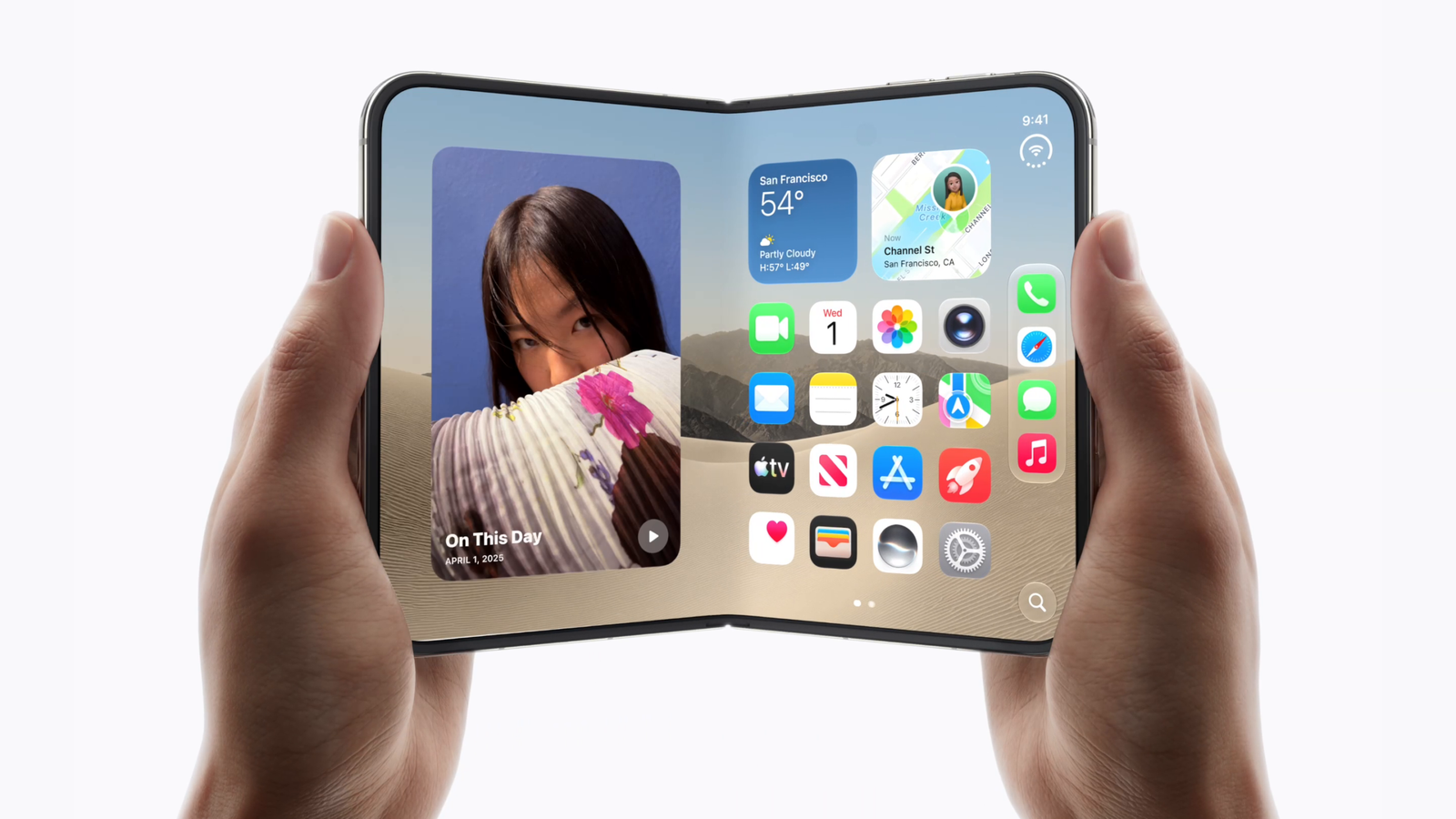
Apple’s venture into the foldable market with the iPhone Duo has marked a significant shift in the company’s hardware strategy. While the inaugural model focuses on establishing a foundation for the foldable form factor, industry reports indicate that the development of the second-generation device is already well underway. According to recent insights, Apple is actively prototyping a crucial upgrade for its foldable lineup: the integration of Face ID directly beneath the outer display.
Currently, the first-generation iPhone Duo relies on a side-mounted fingerprint sensor, a design choice necessitated by the physical constraints of a thin, folding chassis. The sophisticated hardware array required for Apple’s depth-sensing facial recognition—which typically includes a flood illuminator, dot projector, and infrared camera—is notoriously difficult to package within the compact spatial parameters of a foldable device. By shifting these components beneath the display panel, Apple aims to maintain a sleek aesthetic while providing the high-security biometric authentication that has become standard across its primary iPhone range.
Technical Hurdles of Under-Display Sensing
The engineering challenge of placing sensors beneath an active display layer involves managing light transmission and optical clarity. For Face ID to function accurately, the pixels covering the sensor array must be capable of becoming sufficiently transparent to allow infrared light to pass through without degrading the visual quality of the display area.
Prototypes under evaluation suggest that Apple is refining the pixel density and aperture management of the OLED panel. If successful, this technology would eliminate the need for a visible notch or camera cutout, offering a seamless user experience that maintains the integrity of the foldable screen. This move is a critical step in the maturation of foldable hardware, as it demonstrates that Apple is prioritizing internal component miniaturization to support premium features without compromising the mechanical advantages of the folding display.
Projecting Future Hardware Iterations
While the second-generation prototypes represent a significant laboratory milestone, the inclusion of this technology remains subject to rigorous testing. Apple frequently explores multiple hardware configurations before finalizing a production model. The goal is to ensure that the under-display sensor performance matches the speed and reliability of current external Face ID modules.
Beyond biometrics, reports indicate that Apple is also evaluating the inclusion of a dedicated telephoto camera for future iterations of the iPhone Duo. By addressing the current limitations in photography and authentication, the company is moving toward a strategy that prioritizes feature parity between its standard flagship devices and its high-end foldable series. These developments align with longer-term projections that suggest artificial intelligence will play a larger role in image processing, potentially compensating for the space constraints imposed by folding mechanisms.
The Introduction of the Action Button
In addition to biometric upgrades, there are strong indications that the iPhone Duo will soon adopt the Action button, a feature that has already replaced the traditional mute switch on several other Apple products. The current first-generation model lacks this tactile input, likely due to the complexity of wiring and mechanical placement in a device that must fold.
The Action button provides users with customizable physical control, allowing for quick access to specific apps, accessibility features, or system shortcuts. Its inclusion in a future foldable would suggest that Apple has successfully navigated the internal layout constraints of the device’s hinge and split-chassis design. This addition would unify the user experience across Apple’s product ecosystem, ensuring that those who upgrade to a foldable device do not lose the functionality found on the standard iPhone line.
Market Context and Strategic Implementation
The timing of these developments is particularly relevant given the launch of the original iPhone Duo. With a starting price point of $1,999, the device enters a high-end market segment where user expectations for both performance and feature parity are exceptionally high. Retail dynamics surrounding the launch, including significant supply constraints and the necessity for customer pre-orders, highlight that the demand for this hardware category is currently outpacing production capabilities.
As Apple refines the next iteration, the focus remains on balancing the “wow factor” of a foldable screen with the practical usability of established features like Face ID. The company’s decision to pursue under-display technology rather than settling for compromise indicates a commitment to keeping its premium foldable line in lockstep with its traditional flagship design language. While the first generation serves as an invitation to early adopters, the subsequent models appear aimed at solidifying the foldable device as a fully capable, enterprise-ready smartphone that leaves little to be desired in terms of biometric or hardware functionality.
Disclaimer: This content is auto-generated for informational purposes only.
Source: Read Original News