





Silent Toll: How a Rural Health Crisis Exposed Gaps in Madhya Pradesh’s Public Healthcare
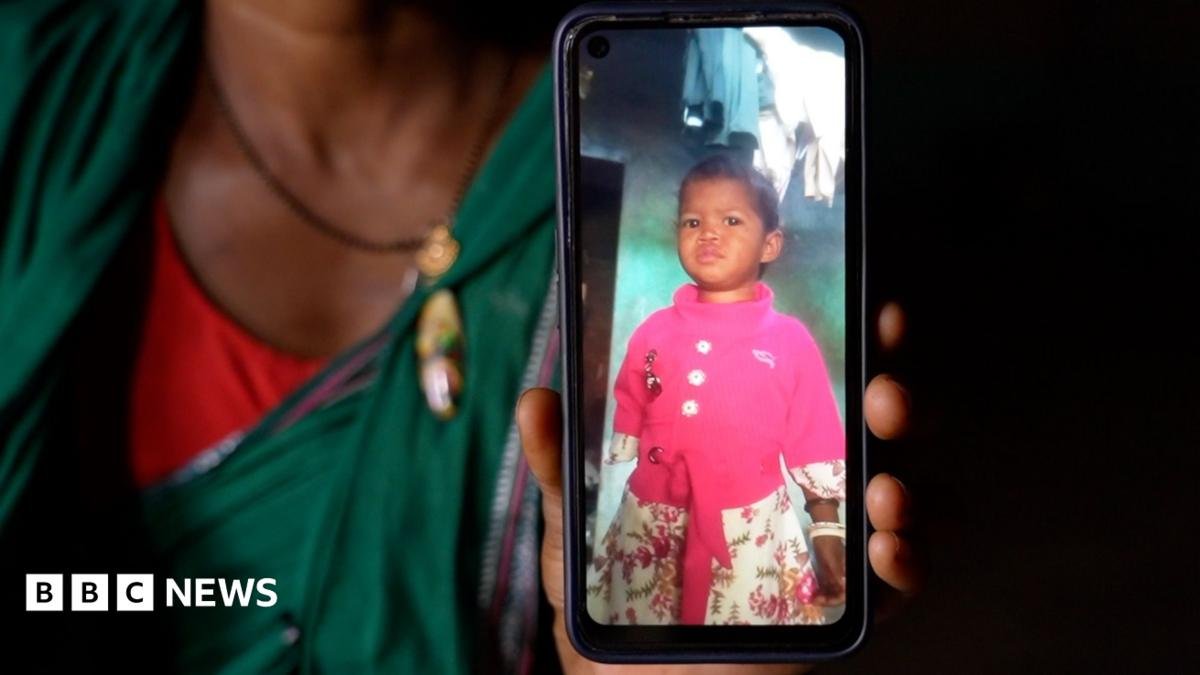
Bhopal: In the remote villages of the Birsa region, the silence in homes like Koushila’s is deafening. A mother in the village of Matla, Koushila still grapples with the loss of her daughter, Bamita, who was claimed by a recent disease outbreak that swept through tribal communities. As she watches her surviving daughter, Ankita, struggle with the absence of her sister, the tragedy serves as a haunting reminder of the fragility of life in India’s underserved hinterlands.
While the outbreak has now subsided—with medical camps reporting a significant drop in patient footfall—the incident has ignited a fierce debate regarding the efficacy of rural healthcare delivery and the systemic failures that leave the most vulnerable, specifically the Baiga tribal population, exposed to preventable diseases.
A Mobilised Response to a Public Health Emergency
As the scale of the outbreak became clear, health authorities launched a rapid, door-to-door intervention. Mobile medical units, equipped with essential life-saving gear including oxygen concentrators, nebulisers, and diagnostic kits for malaria, navigated the rugged terrain to reach over 20 affected villages.
Dr. Neeraj Sharma, a physician deployed with these mobile units, recounted the intensity of the crisis. “Our teams were consistently attending to more than 50 patients a day, with children comprising roughly half of the caseload,” he explained. The constant demand for malaria testing highlighted the co-morbidities complicating the health situation, with doctors frequently identifying positive cases amidst the chaos.
Official records suggest that over 6,200 patients were managed at the community level, while 630 children required escalation to district hospitals. While most have since returned home, the toll on families remains heavy.
The Vaccination Hurdle
The outbreak turned the spotlight on the gaps in India’s vaccination infrastructure. Despite official data claiming high coverage rates of 90-95%, health workers on the ground found a different reality: a segment of the population remained unvaccinated due to poor record-keeping and deep-seated local hesitancy.
In response, authorities bypassed bureaucratic barriers, offering the measles-rubella (MR) vaccine to every child under 15, regardless of their immunization history. In the Birsa region, authorities successfully vaccinated approximately 27,000 of the 40,000 children identified. However, for the 67 villages predominantly inhabited by the Baiga community, such measures are often a reactive “too little, too late” effort.
Systemic Failures in Nutrition
Public health experts argue that vaccines are only the first line of defense; they cannot compensate for chronic malnutrition. The 2024 audit by the Comptroller and Auditor General (CAG) has cast a long shadow over the state’s welfare schemes, citing “serious irregularities” in the distribution of take-home rations for pregnant women, nursing mothers, and young children.
The audit identified systemic failures ranging from flawed beneficiary identification to logistical mismanagement in the production and transport of nutritional supplements. For families in impoverished villages, these rations are not merely benefits—they are essential lifelines intended to fortify the immune systems of the most vulnerable against outbreaks.
As the region moves toward recovery, the memory of children like Bamita lingers. Koushila’s wish for her surviving daughter is simple: she wants Ankita to have a future, but she also feels the crushing weight of isolation. “I want more kids,” she says, looking at her daughter. “I feel alone.” For the residents of Birsa, the end of the outbreak is not a victory, but a reminder that lasting safety requires more than emergency medicine—it requires a functional, reliable, and equitable social safety net.
Disclaimer: This content is auto-generated for informational purposes only.
Source: Read Original News