







The narrative surrounding India’s foundational symbols often highlights prominent figures, yet the profound contributions of individuals like Surayya Tyabji have, for too long, remained in the shadows. While many schoolchildren are familiar with Pingali Venkayya, traditionally credited with the initial design of the Indian national flag, the pivotal role Surayya Tyabji played in its final iconic form is a less-known but critically important facet of history. She was the artistic visionary who, through her insightful proposal and meticulous illustration, replaced Mahatma Gandhi’s charkha (spinning wheel) with the Dharma Chakra, commonly known as the Ashoka Chakra, transforming the provisional flag into the enduring tricolour that represents independent India.
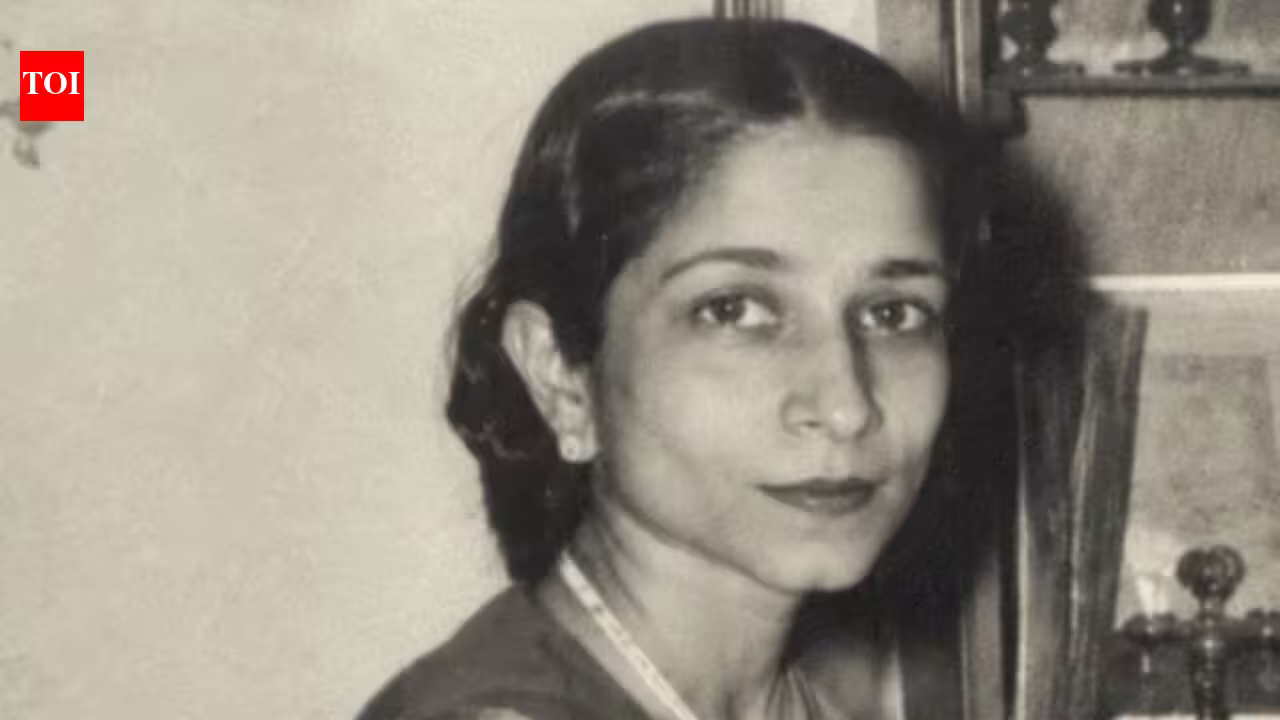
Born in 1919 into the distinguished Tyabji family of Hyderabad, Surayya was much more than a talented artist; she hailed from a lineage deeply committed to public service, education, and the larger project of nation-building. Her husband, Badruddin Tyabji, was a highly accomplished Indian Civil Service officer who served as the Secretary of the Constituent Assembly, a body instrumental in shaping India’s future, and later held the prestigious position of Vice-Chancellor of Aligarh Muslim University. Their combined intellect and dedication were instrumental in shaping the visual identity of the nascent nation.
As India approached its hard-won independence, a significant discussion arose within the Constituent Assembly regarding the national flag. While the charkha held immense symbolic resonance due to its association with Gandhi’s freedom movement and the Indian National Congress, there was a growing consensus that the flag of a newly independent nation should represent the entirety of its diverse populace, transcending any single political organization. It was in this critical context that the Tyabjis presented their groundbreaking suggestion. They proposed that the spinning wheel be replaced with the Ashoka Chakra, derived from the Lion Capital of Sarnath. This emblem, steeped in India’s ancient civilizational heritage, profoundly symbolized dharma (righteousness), progress, movement, and justice—principles universally applicable and representative of India’s aspirations. Surayya subsequently rendered the definitive visual draft, meticulously defining the layout of the tricolour that would soon be unfurled across the nation.
Her influence, however, extended beyond the flag. The national emblem, another cornerstone of India’s identity, also bears the indelible mark of the Tyabji family. According to accounts, including those in former Delhi Chief Minister Sheila Dikshit’s memoir, Jawaharlal Nehru himself approached Badruddin Tyabji for assistance in designing an appropriate emblem for independent India. Early design attempts were reportedly deemed too reminiscent of British colonial symbols. The crucial breakthrough came when the couple turned their attention to the Ashokan Lion Capital. Surayya meticulously created a graphic rendition of this design, and the first impressions were produced at the printing press located at the Viceroy’s residence. These iconic three lions subsequently became India’s revered national emblem.
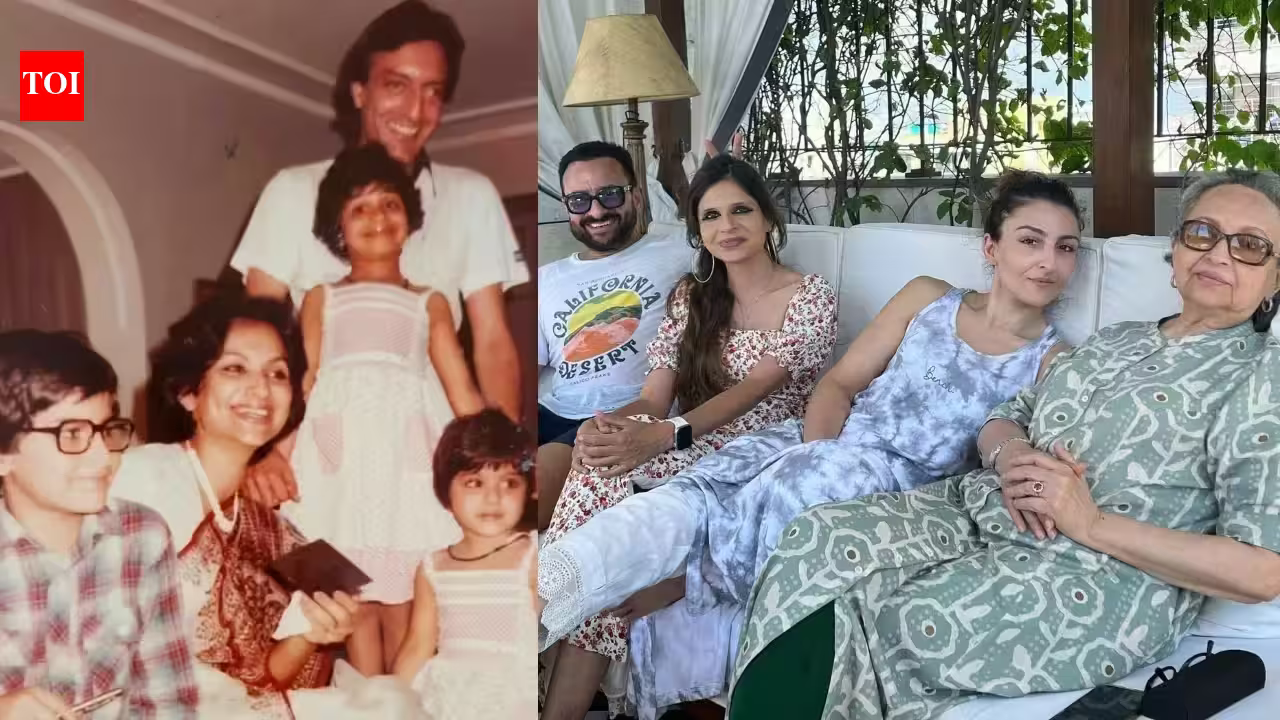
Surayya Tyabji was a true trailblazer who defied conventional societal expectations. Her daughter, social activist Laila Tyabji, vividly described her mother as someone who refused to conform to stereotypes. She was an accomplished painter whose works were exhibited internationally in cities like London and Jakarta. Beyond her artistic pursuits, she possessed an adventurous spirit, often engaging in challenging activities like climbing the rocky terrains of Hyderabad, undeterred by the prevailing norms for women of her era. Laila Tyabji noted that her mother, in all likelihood, would have preferred to be remembered primarily as an artist deeply immersed in her paintings rather than merely as a diplomat’s wife, a testament to her independent spirit and artistic passion.
The very first official national flag, a poignant symbol of India’s newly gained sovereignty, was meticulously stitched under Surayya Tyabji’s direct supervision by a tailoring establishment in Connaught Place, New Delhi. This historic flag, imbued with her artistic vision and careful execution, was the one that proudly adorned Prime Minister Jawaharlal Nehru’s car on the momentous night India finally achieved independence.
Despite her pivotal role in shaping two of India’s most recognizable national symbols, Surayya Tyabji’s story remained largely overlooked in mainstream historical narratives for decades. Her life and contributions offer an invaluable lesson, particularly for those engaged in education: history is not solely crafted by political leaders or famous personalities but is also intricately woven by the often-unseen hands of artists, designers, and thinkers whose profound contributions frequently operate behind the scenes. Sometimes, the individuals who most profoundly define a nation are those whose names are quietly, yet powerfully, stitched into its very fabric.