








The Midlands Park Hotel in Portlaoise recently hosted over 200 industry representatives for a landmark summit organized by VistaMilk. Titled “Innovation is changing the methane conversation in Irish farming,” the event provided a deep dive into the latest scientific research, technological advancements, and management strategies aimed at reducing methane emissions within the dairy sector.
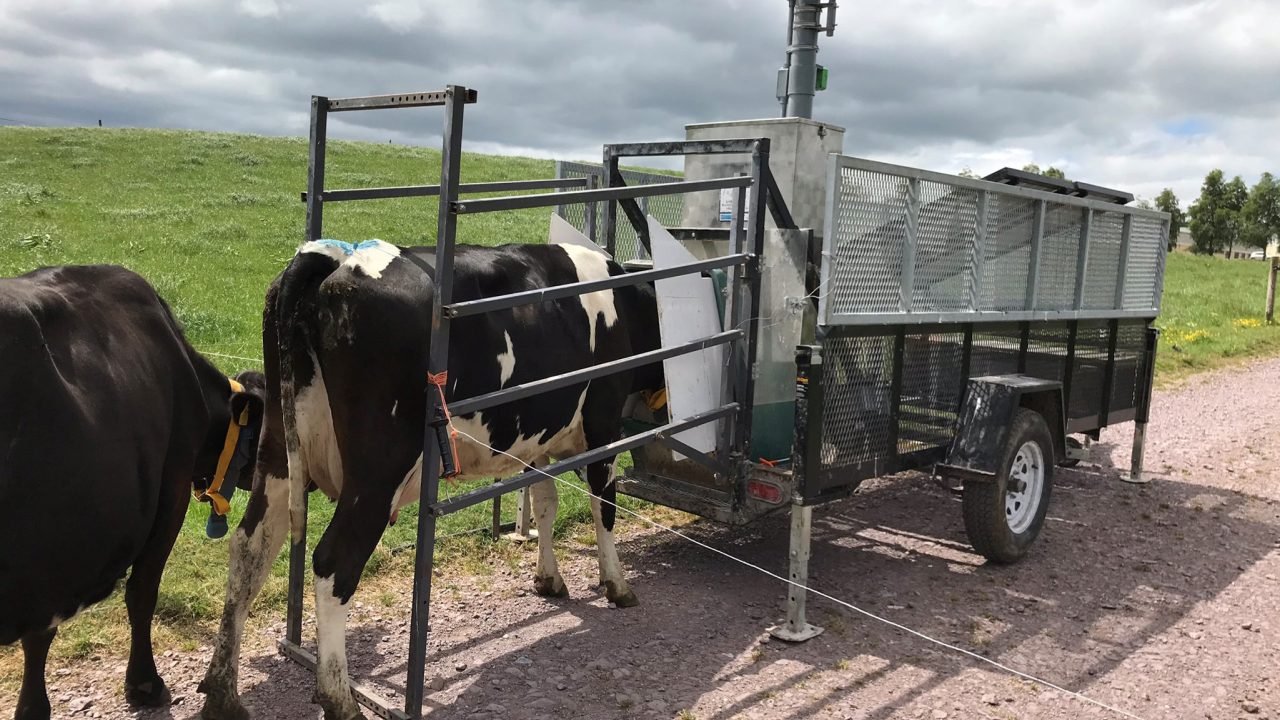
Central to the discussions was the complexity of methane production in cattle. Research presented at the summit revealed an average output of 317g of methane per cow, per day. However, this figure is far from uniform across the national herd; data indicates a significant 180g daily variance between the bottom 10% of emitters (232g/day) and the top 10% (412g/day).
This disparity is driven by a confluence of variables, including dry matter intake (DMI), animal liveweight, milk yield, and age. For every 10kg of liveweight, methane production increases by 3.9g per day, while every additional kilogram of dry matter consumed adds 8.1g to the daily total. Furthermore, milk production efficiency is a critical factor: every 0.1kg increase in milk solids correlates to a 5.5g rise in daily methane. While researchers noted that larger cows are not inherently problematic, they emphasized that the issue arises when such animals fail to perform to their full genetic potential.
The summit highlighted a multifaceted approach to mitigation, focusing on three key pillars: grassland management, selective breeding, and data-driven efficiency.
While the introduction of white clover and multispecies swards may appear to increase daily methane production, speakers noted that these management strategies offer a net benefit when accounting for the resulting reduction in chemical fertilizer use and faster turn-around times for beef and sheep stock. When viewed at the farm-gate level, these practices contribute to a significant overall decrease in greenhouse gas emissions.
Breeding also emerged as a powerful, if long-term, tool for climate action. Experts suggested that by prioritizing the selection of lower methane-emitting animals, the industry could achieve a reduction of nearly 30g of methane per cow, per day. Currently, farmers are already making progress toward this goal, as breeding for improved production efficiency indirectly selects for lower methane output. While the generation-to-generation nature of cattle breeding means results are slow, speakers argued that these efforts will prove essential over the next five to ten years.
Despite the focus on innovation, the event also saw candid debates regarding the scale and impact of Irish efforts. Some attendees questioned the proportionality of the burden placed on Irish agriculture, citing expert testimony suggesting that even the complete removal of all European livestock would have a negligible impact on global temperature shifts. Concerns were raised regarding whether the intensive research and legislative focus are realistic given the marginal global gains.
In response, the panel of experts underscored the necessity of transparency and data collection. “If we cannot measure it, we cannot understand it,” one speaker stated. Beyond the climate implications, the industry was reminded that methane represents a significant waste of gross energy—with roughly 63% lost through emissions. Consequently, tracking methane serves as a powerful metric for farm profitability and resource efficiency. As the summit concluded, the consensus remained that while methane is a potent greenhouse gas, the industry’s proactive stance is vital for maintaining viability, improving efficiency, and ensuring that Irish agriculture remains responsive to both economic realities and environmental stewardship.
Disclaimer: This content is auto-generated for informational purposes only.
Source: Read Original News