








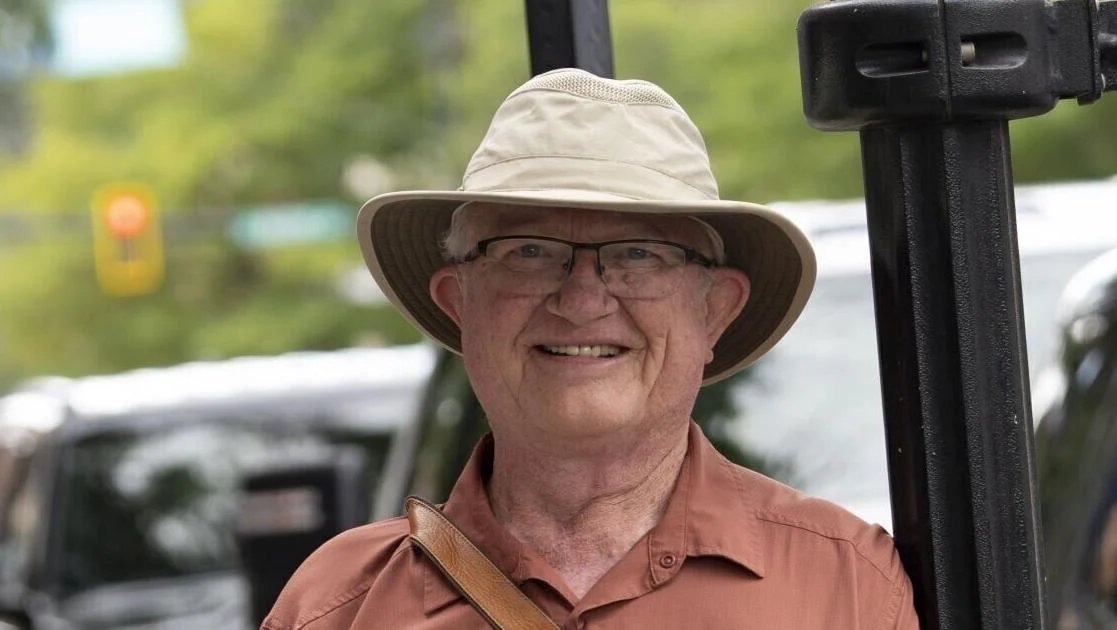
BOZEMAN, MT — As the city’s skyline continues to evolve with a surge in new development, the proliferation of pristine, empty walls has sparked an ambitious idea from a local resident. Michael Wooters, a retired financial advisor turned award-winning photographer, is on a mission to bridge the gap between Bozeman’s architectural growth and the untapped talent of local artists. He is currently seeking a nonprofit partner to spearhead a unique business model designed to provide artists with exposure while generating revenue for social services.
## A Data-Driven Approach to Charitable Impact
Wooters, who spent three decades at Edward Jones, is applying his financial acumen to the world of philanthropy. He envisions a nonprofit-led enterprise that sources high-quality photography from local artists for little to no cost. The organization would then handle the printing, framing, and sales, with all profits reinvested into the nonprofit’s mission.
In an era where technology-driven market insights—such as those found in Google’s advanced analytics or AI-powered business forecasting—often dictate success, Wooters believes that nonprofits should operate with the same fiscal rigor. He argues that donors are increasingly interested in “impact-first” investments. By running a self-sustaining business alongside traditional charitable work, a nonprofit could reduce its dependence on the fluctuating cycle of grants and donations, creating a more stable, measurable return on investment for contributors.
## Harnessing Technology and Local Talent
The project aims to solve a common pain point for creators: the struggle to gain visibility. While digital platforms and social media remain the primary outlets for most, Wooters wants to capitalize on the physical environment of the “building boom.” By populating new commercial and residential spaces with local art, the initiative creates a symbiotic relationship between developers and the creative community.
Wooters emphasizes that the barrier to entry is low, especially given the current digital landscape. From cloud-based asset management to modern e-commerce integrations, the technological infrastructure required to manage an art-to-print workflow is more accessible than ever. By leveraging these tools, a nonprofit could scale its reach, managing thousands of images and customer transactions with minimal overhead. He believes that with the right partner, this digital-to-physical pipeline could become a permanent fixture in Bozeman’s local economy.
## Seeking a Strategic Partner
Despite his success—which includes winning 41 ribbons at this year’s Montana State Fair—Wooters admits that the project currently lacks a lead executor. He has spent months refining the concept, but he requires a mission-driven organization to provide the administrative engine.
For the right partner, Wooters is offering more than just an idea. He is willing to serve as a consultant and mentor, using his financial background to mitigate risks and streamline operations. He views this as a “win-win-win” scenario: local photographers receive a platform, the nonprofit gains a sustainable revenue stream, and the community benefits from a model that could employ individuals looking to re-enter the workforce.
As he continues to pitch his vision to community leaders, Wooters remains optimistic. He views the project not as a gamble, but as a strategic solution to modern funding challenges. He encourages any organization interested in exploring the potential of this creative business model to reach out to him via email at mwooters49@gmail.com or by phone at 503-551-7121. In his view, the “raw materials” are ready; all that is missing is a partner with the vision to execute the final assembly.
Disclaimer: This content is auto-generated for informational purposes only.
Source: Read Original News